
Let’s read Shakespeare’s The Winter’s Tale. We’re still in Act I scene 2 as tensions are building and the plot kicks off.

After exploding with jealous rage in an aside to the audience, Leontes then seems to make a sharp turn by heaping loving praise on his son Mamillius. Remember that this is the same kid that the two characters in the opening scene also heaped praise on. It’s all the “praising the beauty of youth” poetry that was everywhere in the Elizabethan era (era), except this is Shakespeare, so there’s something of a double meaning to it. Leontes’ extoling his son’s innocence is also him casting a light on his belief that his wife Hermoine is not so innocent.
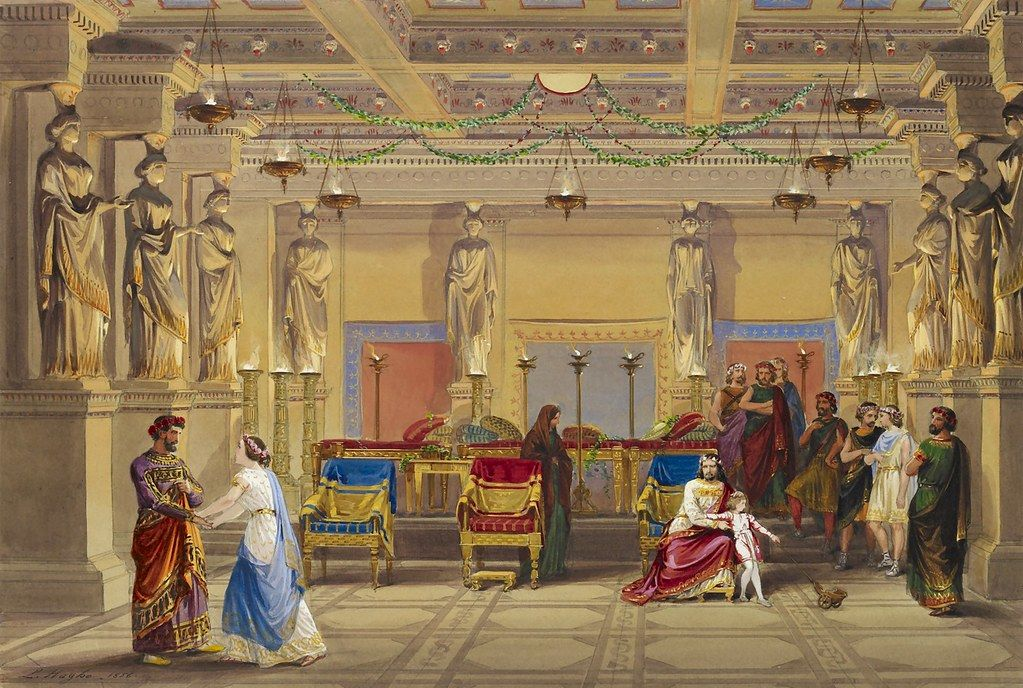
Leontes’ speech to Mamillius also contains some turns of phrase that go beyond being open to interpretation and into being unknowable. He thoughts seem to wander from praising his son to pondering his own situation. He says women are not to be trusted as “o’erdyed blacks.” My Pelican Classics edition claims this is a racial reference, which makes me uncomfortable, while my Folger edition says this is in reference to clothing dyed black to become funeral wear. In this context, Leontes is saying Hermoine is like someone who is dressed for a funeral but who is only pretending to mourn. Or he’s saying that the dying process has weakened the fabric, so Hermoine is similarly weak. (A production could easily have Hermoine wearing black in this scene to further this point.) My older 1998 Folger edition splits the difference by listing all these interpretations as possibilities.

All my books and most of my online sources point to Leontes’ line “Affection, thy intention stabs the center” as something both hugely significant but also somehow impossible to interpret. On the surface, he’s saying that emotion, and the reasons behind the emotion, can cut through to the truth. Is this his own emotions showing him the truth? Once again, the 1998 Folger cuts through the noise and states that no matter how you read the line, it reveals Leontes getting more and more unhinged.

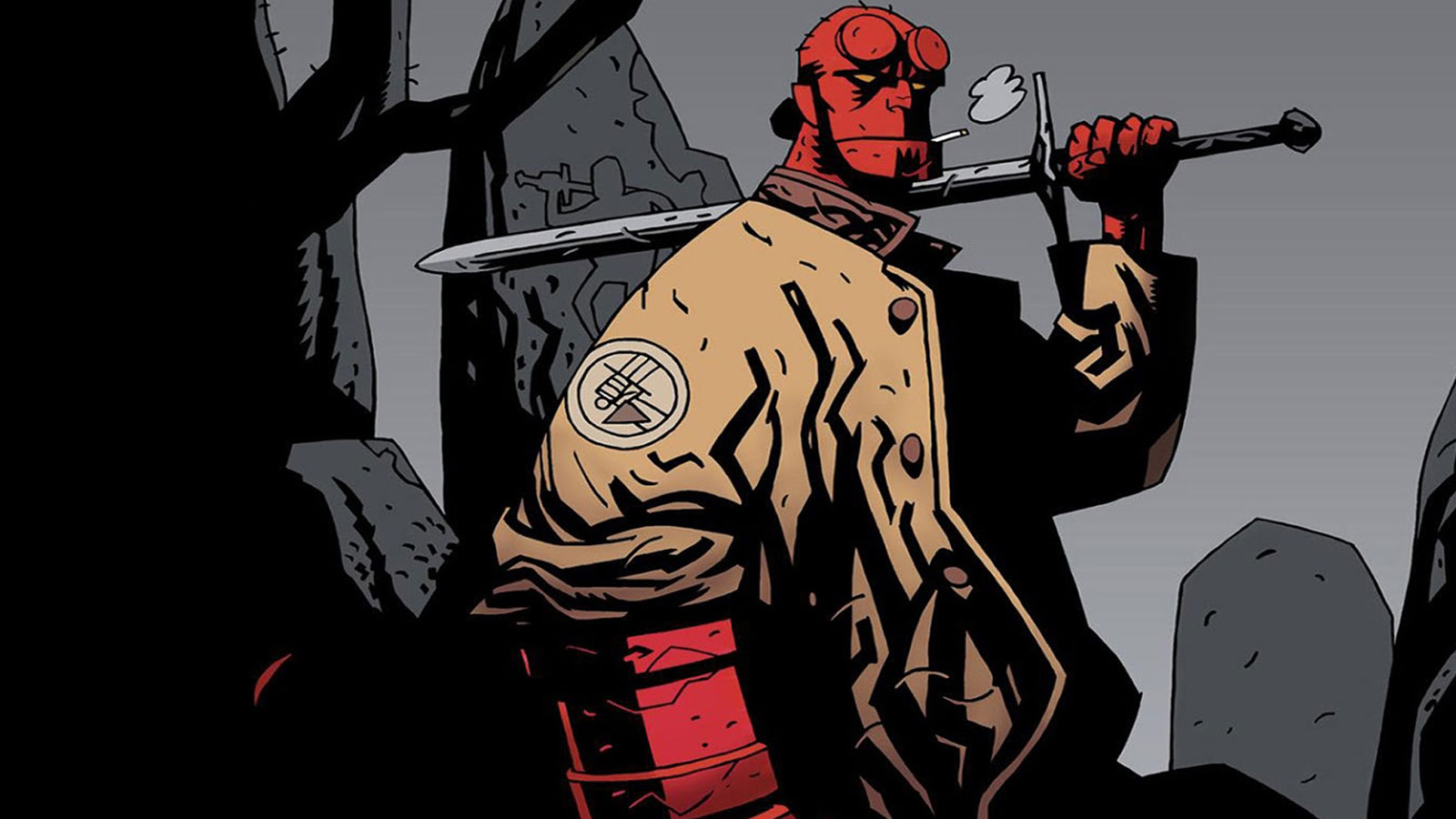
This same speech is bookended with Leontes referencing his brows, meaning his forehead. He describes his brow has horned, while Mamillius has a perfectly smooth brow. Part of this is the always-wacky “cuckold” joke of Shakespeare’s time, where humiliated husbands were shown to have horns or antlers as a form of mockery. But in the context of The Winter’s Tale, Leontes uses it as an age thing. He says Mamillius has no horns because he’s so young and innocent, and that Leontes has horns himself despite his wife believing his brow is smooth like an egg. Just imagine a version of this play were this is literal, and these characters are actual horned demons in some sort of fantasy hellscape. Somebody Mike Mignola on the phone.
Then there’s more cordiality – either genuine or false, depending on how you play it – between Leontes and Polixenes. They continue to praise Mamillius as well as Polixenes’ own unnamed son. (This son is Florizell, whom we’ll meet later in the play as a romantic lead.) Leontes does not reveal his jealousy to Hermoine and Polixenes, and instead encourages them to take a walk together in the garden.

Then Leontes has another fiery speech about his jealousy, this time using the metaphor of one man fishing in another man’s pond (a serious crime, apparently). What’s interesting is that neither of the speeches in this section are labeled as asides, and it seems like he’s saying all this stuff to innocent little Mamillius. The easy way to do this is have Leontes make these speeches while the other characters do background business. A more interesting way is to have Mamillius take in his father’s words and maybe be a little less innocent by the time he leaves the scene.
This is a lot for a short section, but it’s important to chew over as this very, very long scene continues. Because coming up next, Leontes makes a plan.
Next: Along came Camillo.
* * * *
Want more? Check out my ongoing serial, THE SUBTERKNIGHTS, on Kindle Vella. A man searches for his missing sister in a sprawling city full of far-out tech, strange creatures, and secret magic. It’s a sci-fi/fantasy hybrid full of action, romance, mystery, and laughs. The first ten episodes are FREE! Click here for a list of all my books and serials.


 macmcentire