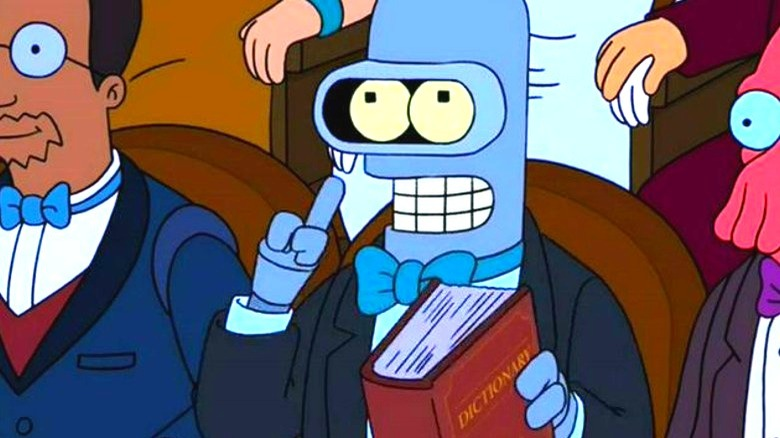
Reading the entire dictionary front to back! It’s something I’ve always wanted to try. Look at that, we’re starting the letter L!
This section starts with LA, which is not a musical note, but short for Los Angeles, or Louisiana, or lanthanum. This is followed by laari, which the dictionary just defines as “money.” The internet further informs me this is Maldivian currency. And then there’s lab, which is short for either laboratory or labrador retriever.
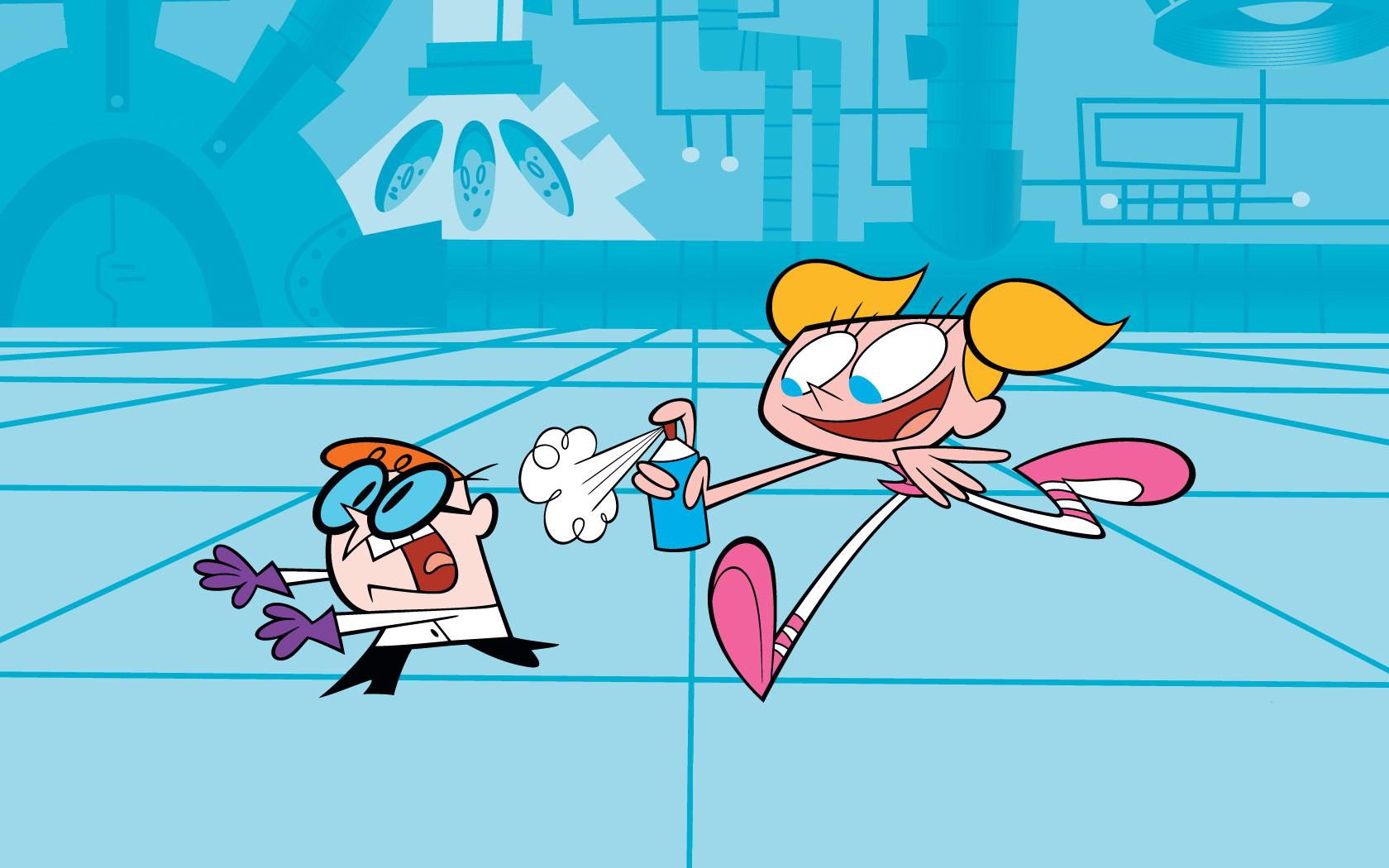
Too much time in the lab.
Speaking of which, a labrador retriever is “any of a breed of strongly built retrievers having a short dense black, yellow, or chocolate coat.” What’s the difference between “brown” and “chocolate” in this case?
You can’t feed chocolate to them.
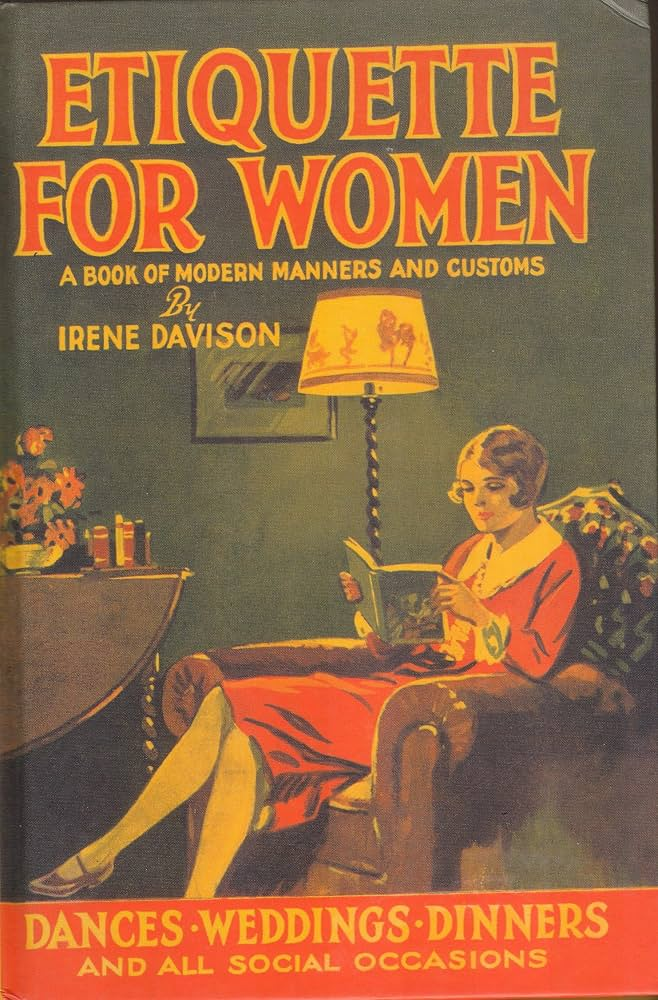
Hey ladies, the definition of lady is “a woman of property, rank, or authority,” and “a woman of superior social position or of refinement.” There’s also ladylike, which just means “well bred.” Is this appropriate or old-fashioned? And I don’t even know what the phrase “woman of property” is supposed to mean.
A proper lady.
Then we arrive on land, which is “the solid part of the surface of the earth,” “realm, domain,” and “nation.” It has a lot more definitions as a verb, including but not limited to “bring to or arrive at a destination,” and “to alight or cause to alight on a surface.” This kicks off a long list of words with land- as a prefix.
The Landstander!
I think the dictionary writers felt the pressure was on for language, because they went all out: “the words, their pronunciation, and the methods of combining them used and understood by a community.” I’d say that covers it.
It’s important to learn new languages.
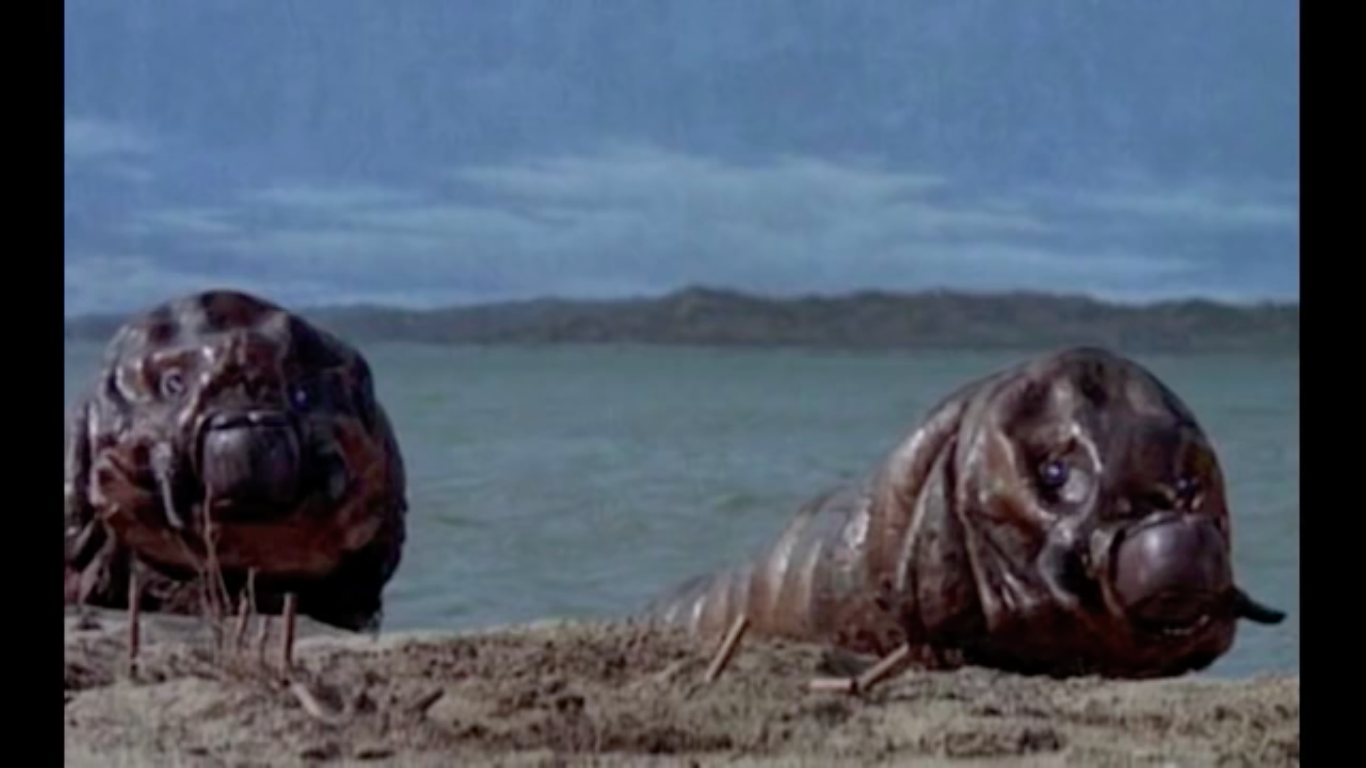
The dictionary loves animals – including gross ones – with larva, “the wingless often wormlike form in which insects hatch from the egg,” and “any young animal (as a tadpole) that is fundamentally unlike its parent.” I guess that also describes teenagers, am I right?
So much time spent on these things, and not enough on actual Mothra.
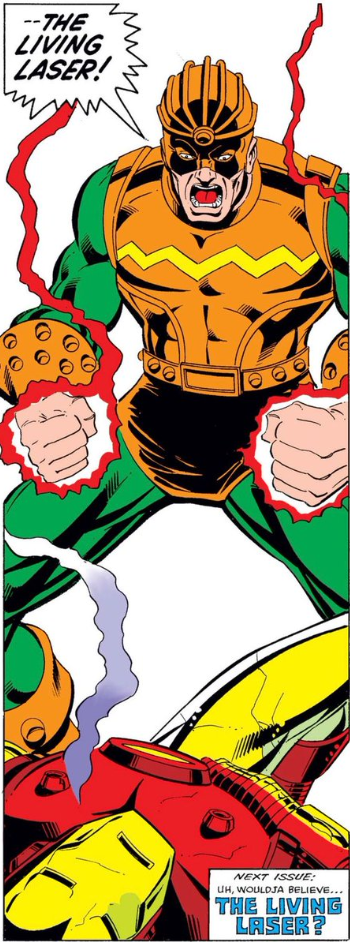
Then we get futuristic (sort of) with laser, “a device that produces an intense monochromatic beam of light.” And yes, the dictionary is smart enough to add that laser stands for “light amplification of stimulated emission of radiation.” You can use that one to impress people at parties.
Wouldja believe?
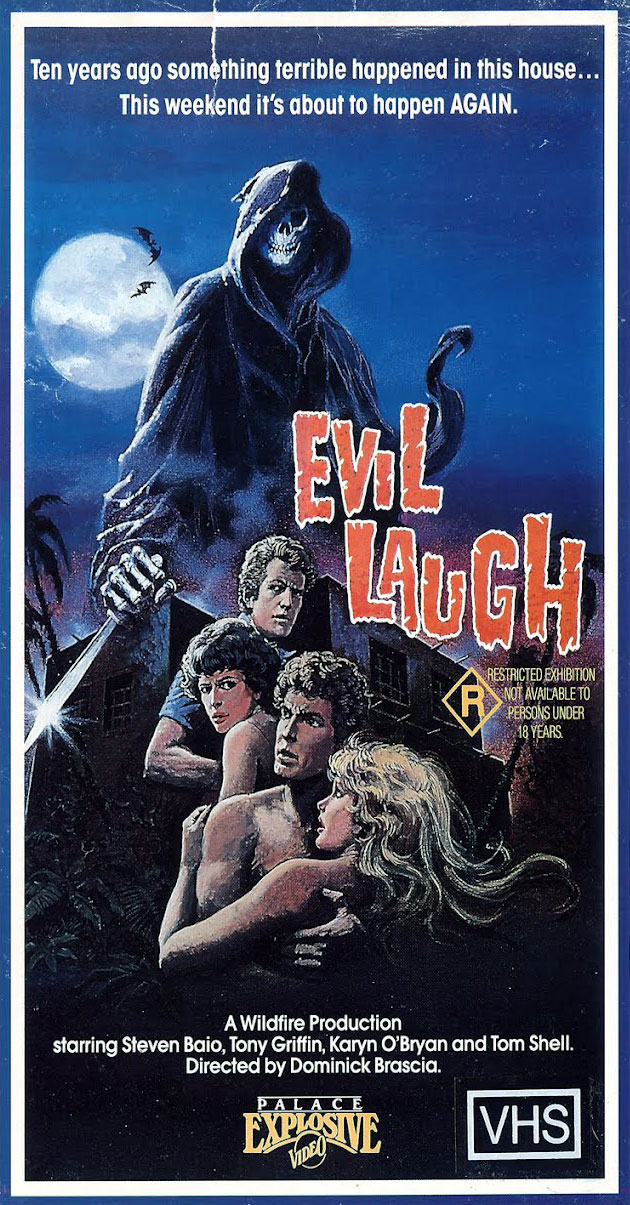
We’re having fun. To laugh is “to show mirth, joy, or scorn with a chuckle or explosive vocal sound.” It’s sad but true that scorn is included in this. Also, “explosive vocal sound” would be a great band name.
Who’s laughing now?
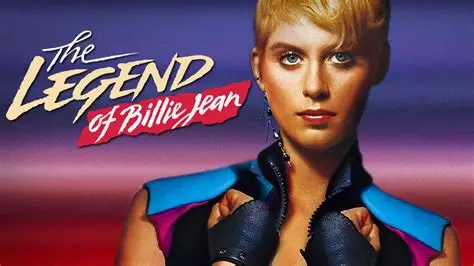
A legend is “a story coming down from the past, especially one popularly accepted as historical though not verifiable.” The more I think about it, the more I think this is a particularly apt description.
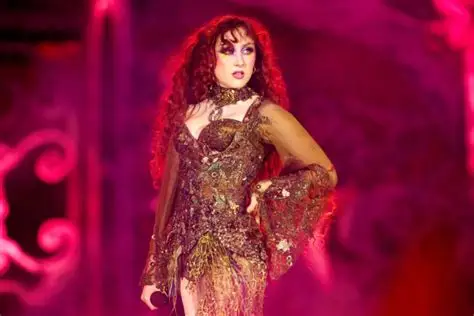
Even her.
Next: Get licked.
* * * *
Want more? My ongoing series THE SUBTERKNIGHTS is back on the Kindle store! A man searches for his missing sister in a futuristic city filled with far-out tech, strange creatures, and secret magic. Only $0.99 or free with KU!
Reading the entire dictionary front to back! It’s something I’ve always wanted to try. We’re speeding through this bunch of pages as J becomes K.
We start with dessert. Jimmies are “tiny rod-shaped bits of usually chocolate candy often sprinkled on ice cream.” The dictionary doesn’t add that only some parts of the country call them that. And then jimmy is “a small crowbar,” and “to force something open with a jimmy.” Now imagine if the crowbar was actually a giant jimmy candy.
“Don’t Jimmy me, Jules!”
The dictionary includes both judgment and judgement, even though we were all taught in school that the former is the correct one. The editors would seem to agree, because it uses that spelling for judgmental, judgment call, and judgment day.
A juvenile is “a young person” and “showing incomplete development.” This of course leads to juvenile delinquency, “violation of the law and antisocial behavior by a juvenile.”
What a delinquent.
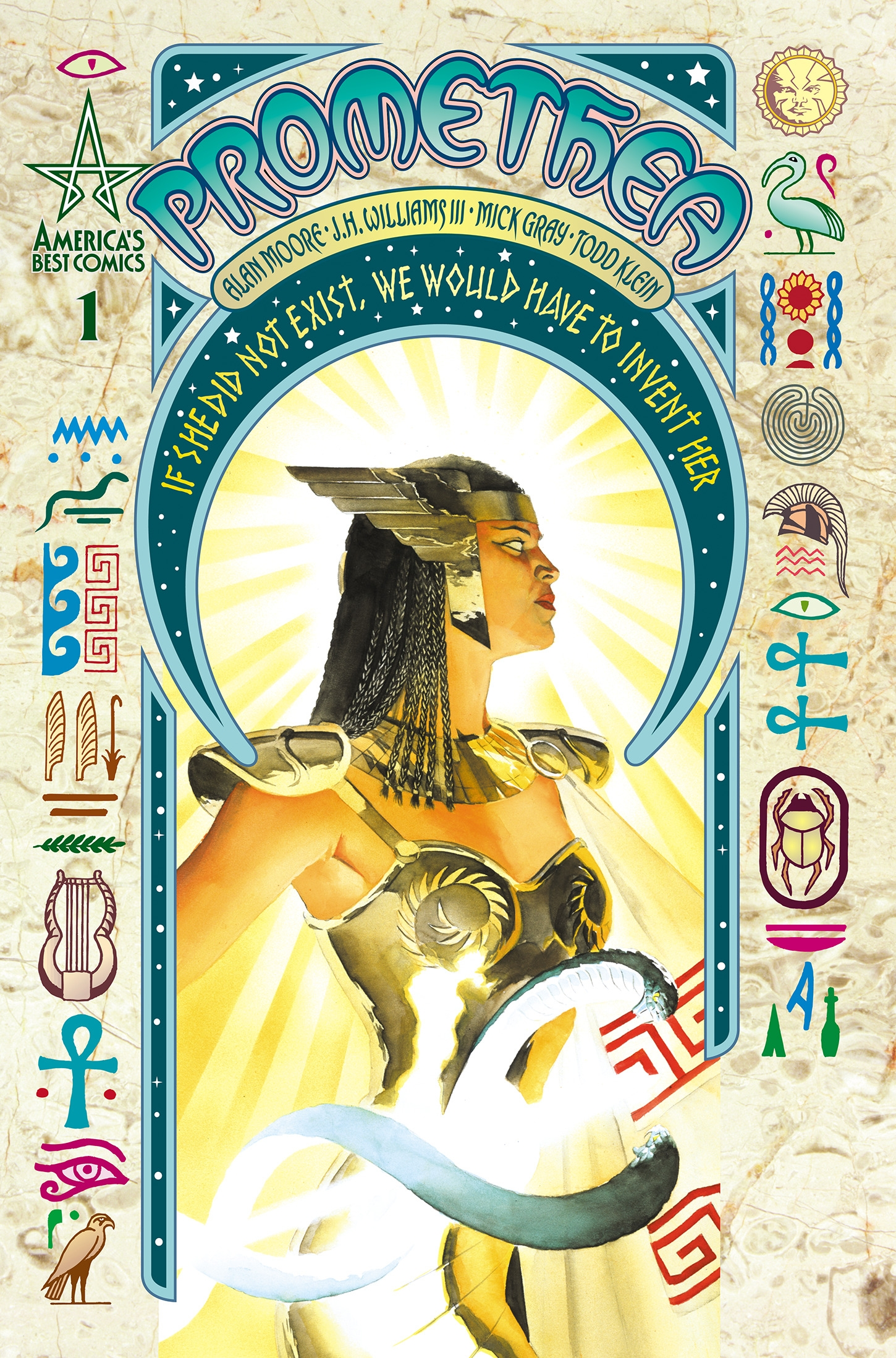
Okay, we’ve reached the letter K! Somebody get Alan Moore on the line, because this section begins with kabbalah, “a medieval Jewish mysticism marked by belief in creation through examination and a cipher method of interpreting scripture.” If that’s a bit much, the second definition is just “esoteric or mysterious doctrine.”
Did Promethea lose the narrative, or discover it along the way?
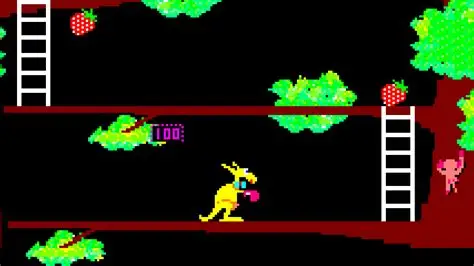
Once again, the dictionary loves animals. A kangaroo is “any of various large leaping marsupial mammals of Australia and adjacent islands with powerful long legs and a thick tail used as support.” No mention of the famous pouch, although I guess the “marsupial” part covers that.
The boxing gloves go unmentioned.
Karma is “the force generated by a person’s actions held in Hinduism and Buddhism to perpetuate reincarnation and determine the nature of a person’s next existence.” Is it inappropriate of me to suggest this concept has grown behind those two beliefs?
Her kink is karma.
For something perhaps less spiritual, a kegger is “a party featuring one or more kegs of beer.” I’m assuming “or more” is likely.
Who could resist?
A kink is “a short tight twist or curl,” or “an imperfection.” But you want to know about the saucy definition, which is this book is just “a mental peculiarity.” That covers a lot.
Her kink is STILL karma.
Do you know the word know? It’s “to perceive directly,” “to have understanding or direct cognition of,” “to recognize the nature of,” “to be acquainted or familiar with,” “to be aware of the truth of,” and “to have a practical understanding of.” I know the dictionary is trying to cover all bases, but this feels just a little repetitive.
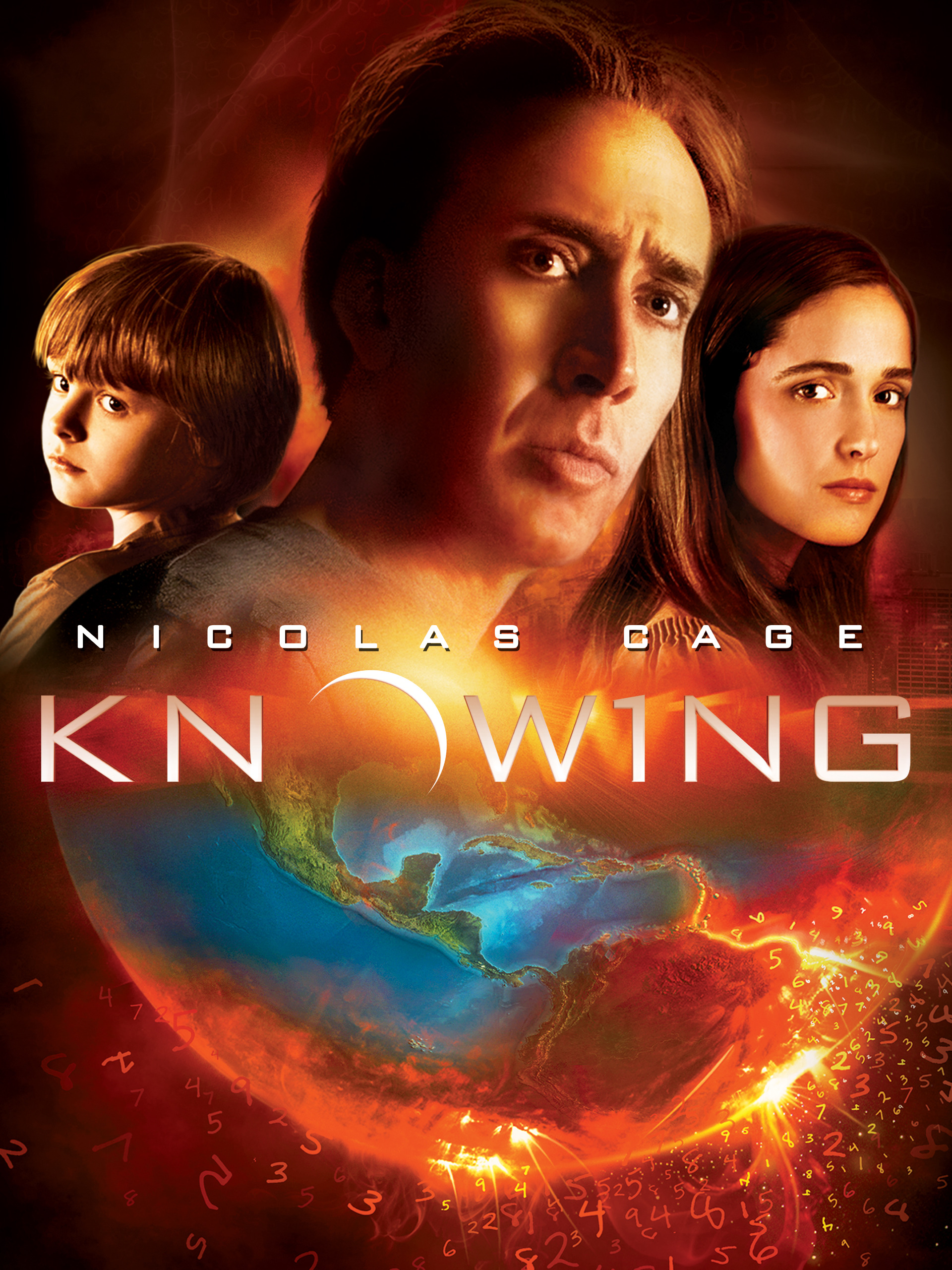
I’d listen to Nicolas Cage read the dictionary.
Then it’s back to animals down under with koala, “a grey furry Australian marsupial that has large hairy ears and feeds on eucalyptus leaves.” Sorry, Australia, but there’s no dictionary entry for the kookaburra.
What’s the deal with their noses, though?
A short section, the letter K ends with a new one, kwashiorkor, “a disease of young children caused by deficient intake of protein.” Hmm, there’s really no way I can make that funny.
Next: Taking the L.
* * * *
Want more? My ongoing series THE SUBTERKNIGHTS is back on the Kindle store! A man searches for his missing sister in a futuristic city filled with far-out tech, strange creatures, and secret magic. Only $0.99 or free with KU!
Reading the entire dictionary front to back! It’s something I’ve always wanted to try. Jinkies, we’ve made it to the letter J!
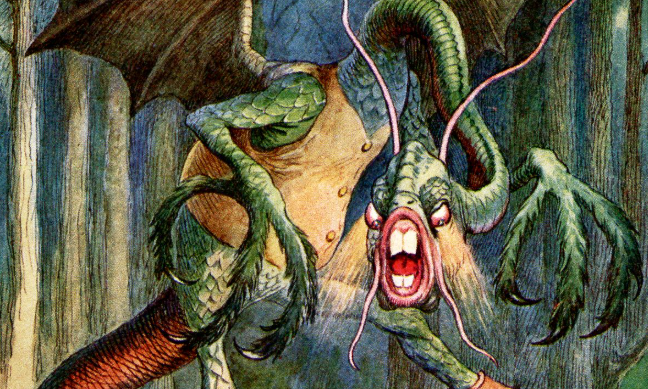
The first “real” word under J is jab, which is “to thrust quickly and abruptly,” or just “poke.” Kind of suggestive-sounding. This is followed by jabber, “to talk rapidly, indistinctly, or unintelligibly,” and then a non-capitalized jabberwocky, which is “meaningless speech or writing.” The brilliance of Lewis Carroll goes unmentioned.
The claws that catch!
And then we’re right into one I’ve never heard before, jabot. This is “a ruffle worn down the front of a dress or shirt.” When are ruffles making a comeback?
Maybe not.
Jack gets a lot of definitions, including a device to raise heavy objects, a pointed metal piece used in a game, a type of flag, and a playing card. It’s also “a male donkey,” which I didn’t know. This kicks off a whole series of words with jack- as a prefix, including jackanape, “an impudent or conceited person,” jackdaw, “an Old World black and grey crowlike bird,” and jackhammer, “a pneumatic precision tool for drilling rock or breaking pavement.” Is it really precision?
Jack!
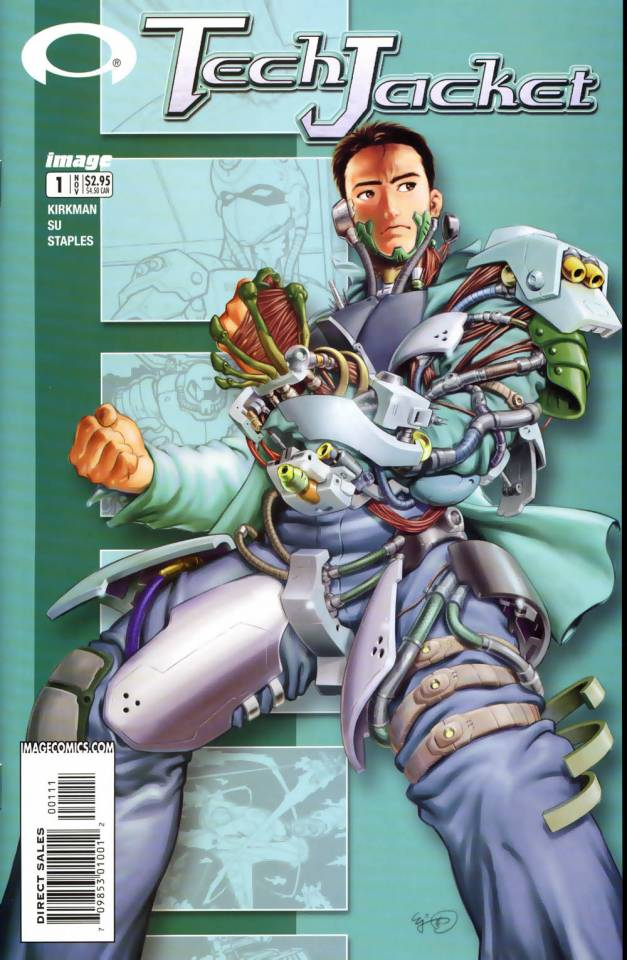
Then there’s jacket, which has one of the word origin thingies in brackets, telling me that it’s named for the French Jacques. Now I want the story of this Jacques who was so famous that all jackets are named after him.
Tech Jacques?
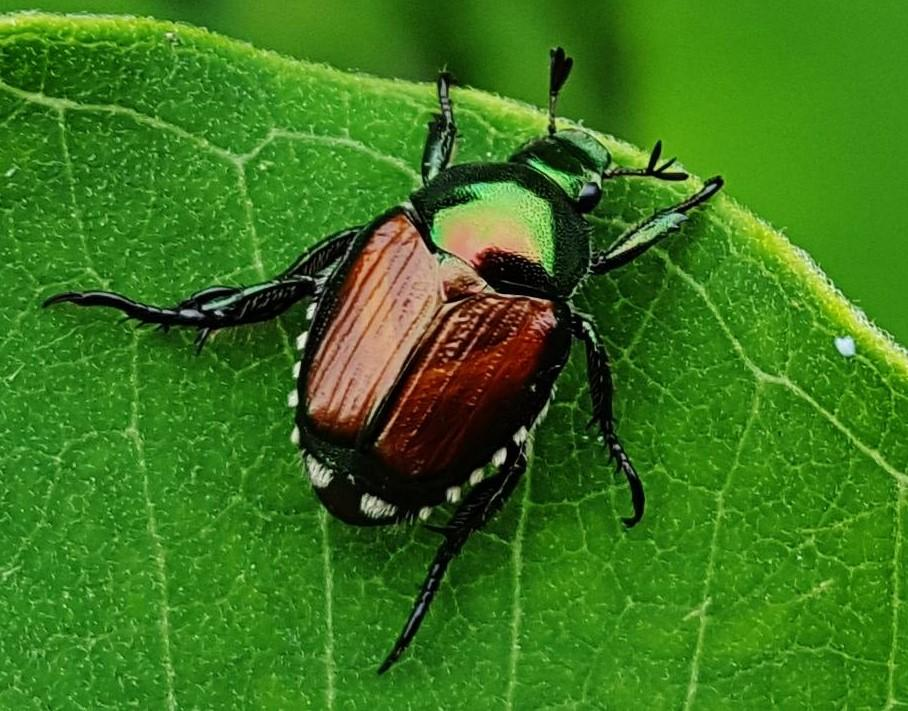
More fun with animals! A Japanese beetle is “a small metallic green and brown scarab beetle from Japan that is a pest on the roots and grasses as a grub and on foliage and fruit as an adult.” Awfully judgmental to call these little guys a pest, but then I’ve never had one eat my roots and grasses.
Does this look like a pest to you?
And now the question of how to define the undefinable. Jazz is “American music characterized by improvisation, syncopated rhythms, and contrapuntal ensemble playing.” Great, now I have to go all the way back to C for contrapuntal, which is “of or relating to a counterpoint.” Any music experts want to weigh in how accurate this is?
Jazz from American Gladiators goes unmentioned.
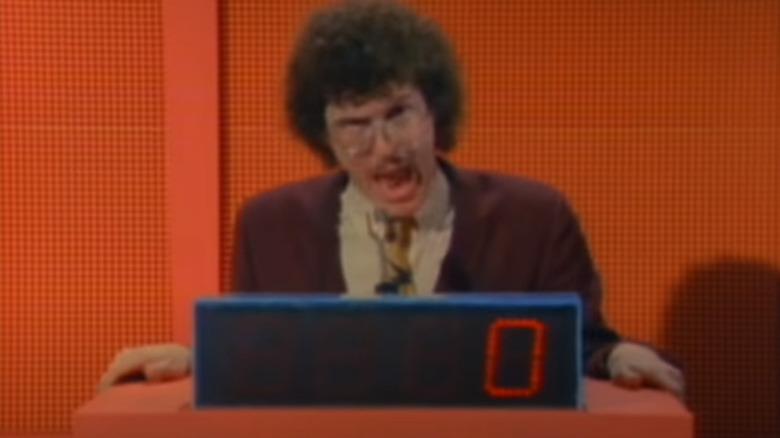
Things get dark with jeopardy, “exposure to death, loss, or injury.” Imagine if the game show took this literally.
He lost on Jeopardy.
* * * *
Want more? My ongoing series THE SUBTERKNIGHTS is back on the Kindle store! A man searches for his missing sister in a futuristic city filled with far-out tech, strange creatures, and secret magic. Only $0.99 or free with KU!
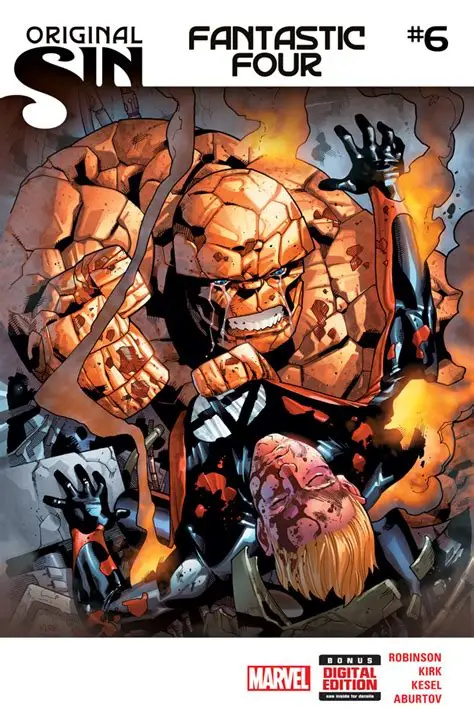
Reading the Fantastic Four comics from the start. Writer James Robinson has already introduced several ongoing plots at once, and now, in Vol. 5 #6, we get the big Original Sin crossover thrown into the mix as well.
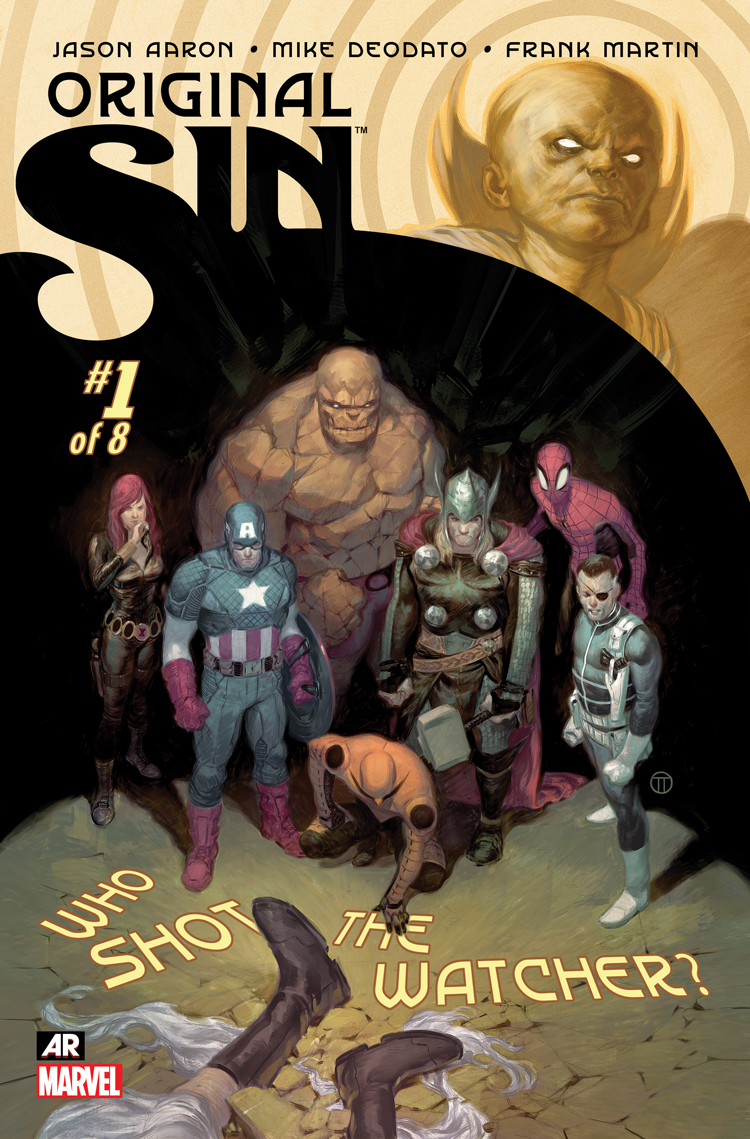
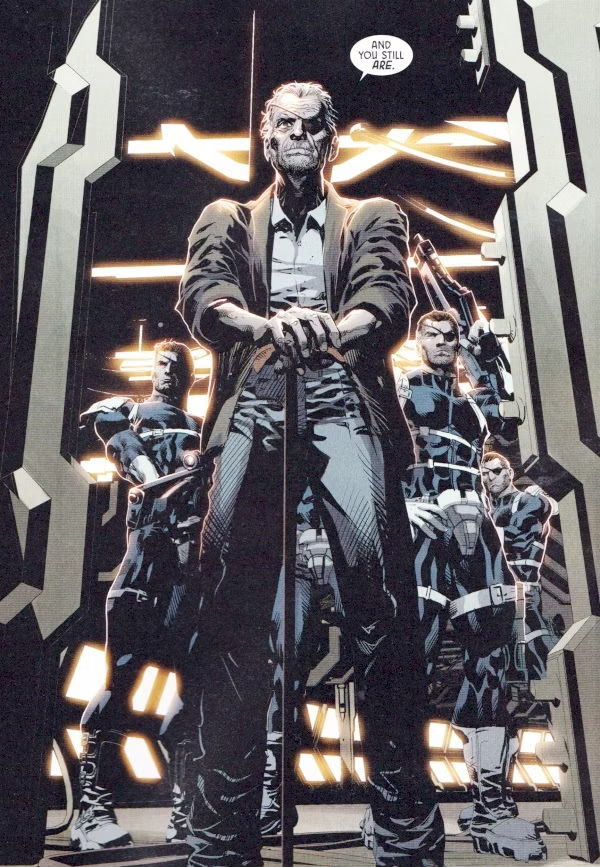
OK, what is up with Original Sin? The Watcher was murdered (!) and his eyes were stolen (!!!). The idea is that a supervillain could use the Watcher’s eyes to see anything and everything, giving them considerable power over others. All sorts of Marvel heroes were on the case. I won’t spoil who the culprit is, but I’ll reveal that the crossover ends up being a story about Nick Fury. Remember when Fury went into hiding during Civil War? Original Sin finally resolves that, as we see where he’s been. Also, age has caught up with Fury, and he’s revealed as being very, very old. Whether intentional or unintentional, this opened the door for the new Nick Fury, based on Sam Jackson from the movies.
What does any of this have to do with the Fantastic Four? Not much. Part of the way through the crossover, D-list villain the Orb got hold of the Watcher’s eyes and used them to reveal some of the superheroes’ deepest, darkest secrets – including the Thing.
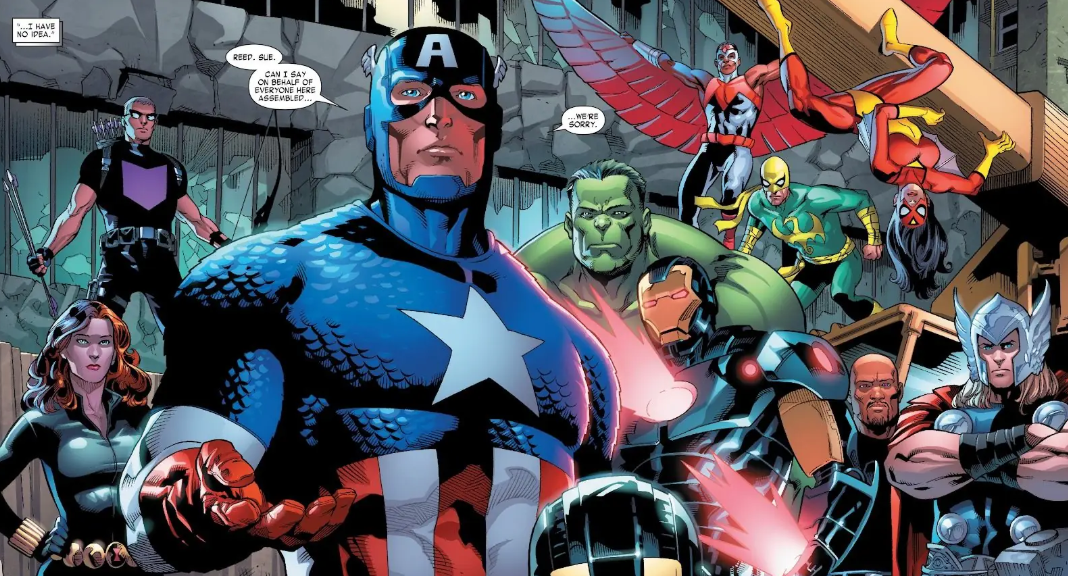
In the FF’s own comic, they were put on trial, with legal opponents arguing that their behavior has endangered New York. The court ruled that Reed and Sue be separated from Franklin and the rest of the Future Foundation kids. In the Fantasticar, there’s a conversation about whether Reed and Sue want Ben to stick around or if they want to be alone. They drop Ben off on the street, with him saying he needs some alone time, too. Reed and Sue arrive at the new Baxter Building to find the Avengers waiting for them, with Captain America saying, “We’re sorry.”
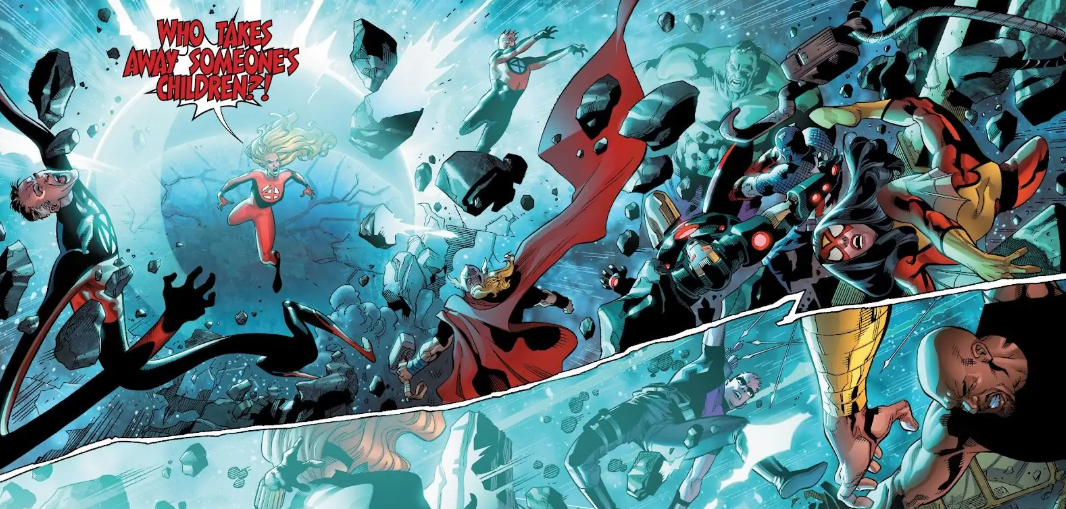
But they’re not saying this about the kids, Iron Man steps in and says they can’t let the FF back into the building, as per the court’s ruling. Spider-Woman says the team’s personal effects – but not their science tech – will be packed up and sent to their new address. Sue doesn’t like that, and she throws everyone back with a huge force field.
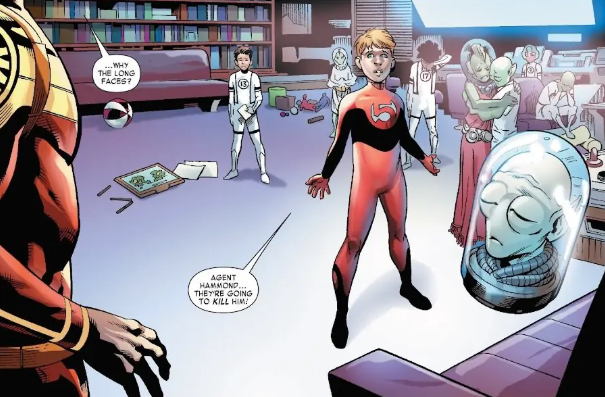
At S.H.I.E.L.D.’s Camp Hammond, the Future Foundation kids are in custody of their new legal guardian, Jim Hammond, the original Human Torch. The kids are freaking out because the S.H.I.E.L.D. agents are going to take apart Dragon Man, arguing that as an android, Dragon Man isn’t a living thing.
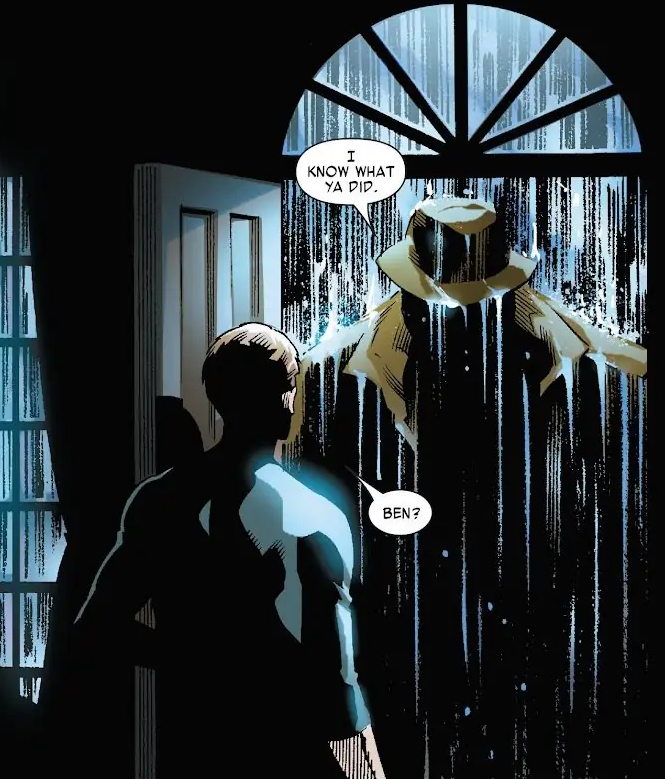
Cut to two days later, when Ben shows up at Johnny’s doorsteap. Johnny says no one has heard from Ben in days. Ben says, “I ain’t yer friend no more.” He accused Johnny of lying to him, along with Reed. Ben flashes back to Original Sin, saying the Watcher’s eyes unlocked a new memory for him… except the memory isn’t his.
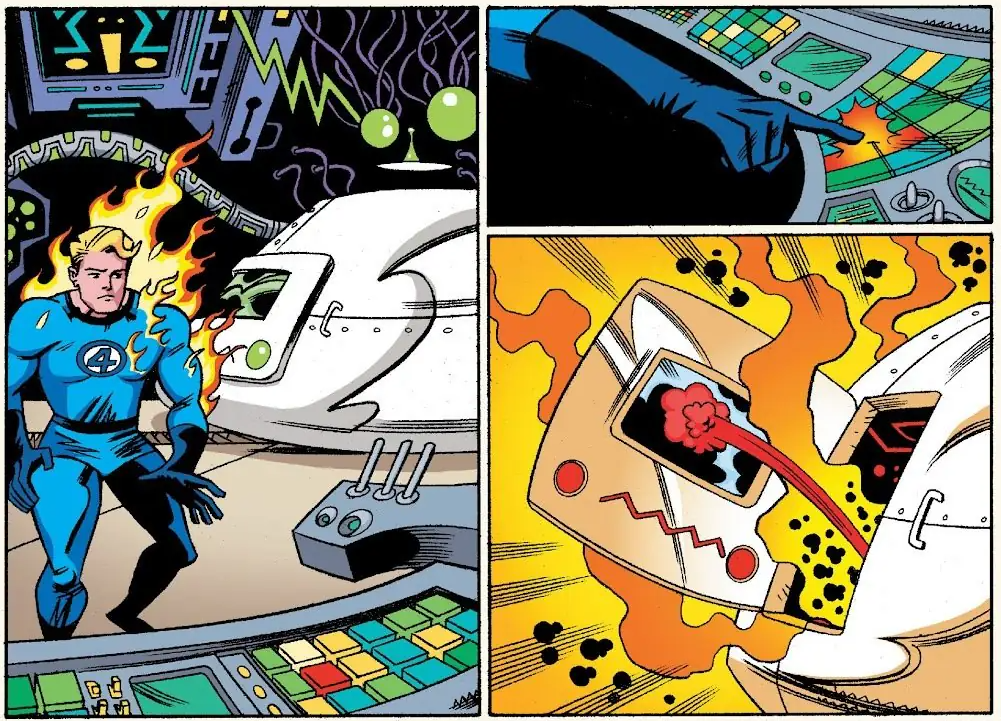
Turn the page and we’re in a scene “years ago,” drawn in a retro style. Johnny discovers a device in Reed’s lab and messes with it. This machine is Reed’s latest attempt to cure Ben. Reed puts Ben in the machine, saying this is their last shot to cure him. It starts to work, and Ben becomes human again, only to then become a half-human, half-Thing monstrosity. And then, in the middle of a flashback, it’s…
To be continued?!?
Unstable molecule/Fade out: We’re officially in skipping-around-timelines mode in this story arc, so it’ll be revealed in upcoming issues when the flashback happened, as well as the result of Sue attacking the Avengers.
Clobberin’ time: When walking through the city streets, Ben says “I don’t care who sees me,” and interesting turn of phrase considering everything that happened in Original Sin.
Flame off: Johnny’s apartment is referred to in the captions as a “pied-a-terre,” which the internet tells me is a small apartment kept only for occasional use.
Fantastic fifth wheel: Luke Cage is among the Avengers. His only line of dialogue this issue is, “F’sure.”
Four and a half: Franklin is front and center among the Future Foundation, speaking on behalf of the entire group.
Foundational: As the 18-year-old “adult” of the Future Foundation, Alex Power acts as Hammond’s right-hand-man in this. The Atlantean Vil is shown wearing a fancy red dress rather than her usual Foundation uniform.
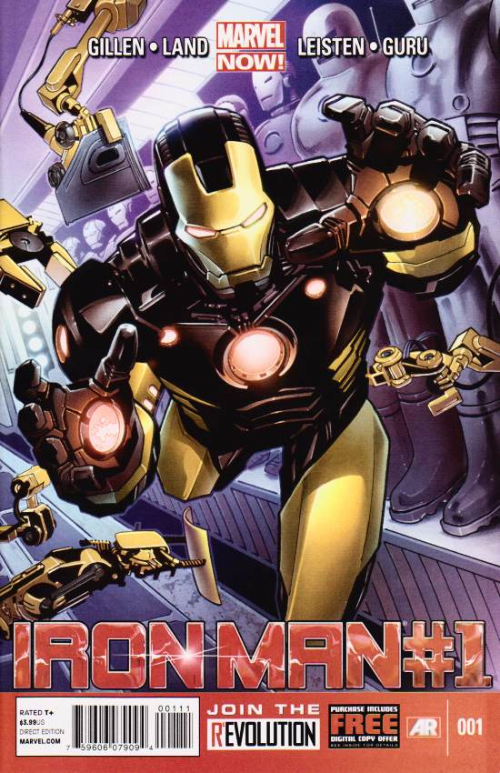
Trivia time: Iron Man’s wearing his black-and-gold Model 42 armor. It was made of “liquid smart metal” that he could don in an instant. Tony created it to be used only for testing out new tech and not for fighting, but of course he ended up fighting in it.
Fantastic or frightful? James Robinson is definitely writing for the trade, because this non-linear approach means ending the issue abruptly and in the middle of a flashback. But having Ben be the one with the uncovered secret makes for some good drama. We’ll see how Robinson wraps it up in future issues.
Next: How it went down.
* * * *
Want more? My ongoing series THE SUBTERKNIGHTS is back on the Kindle store! A man searches for his missing sister in a futuristic city filled with far-out tech, strange creatures, and secret magic. Only $0.99 or free with KU!
Reading the entire dictionary front to back! It’s something I’ve always wanted to try. The letter I continues to be… interesting.
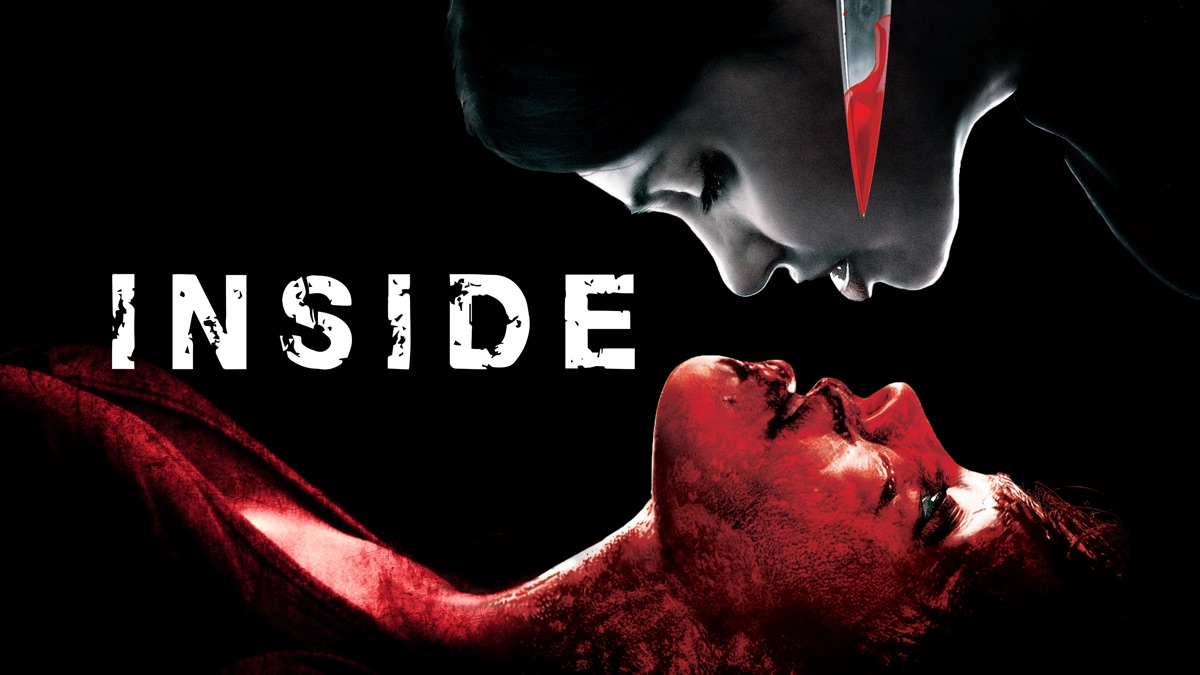
Let’s go deep inside the word inside. It’s “an inner side,” which strikes me a little obvious. But it’s also “inward nature, thoughts or feelings,” “a position of power, trust or familiarity,” and “viscera, entrails.” Talk about covering all the bases.
Viscera, entrails indeed.
Inspiration is “the act or power of moving the intellect or imagination,” and “an inspiring agent or influence.” But somehow, inspiration is also “inhalation.” Inhalation of what, I wonder?
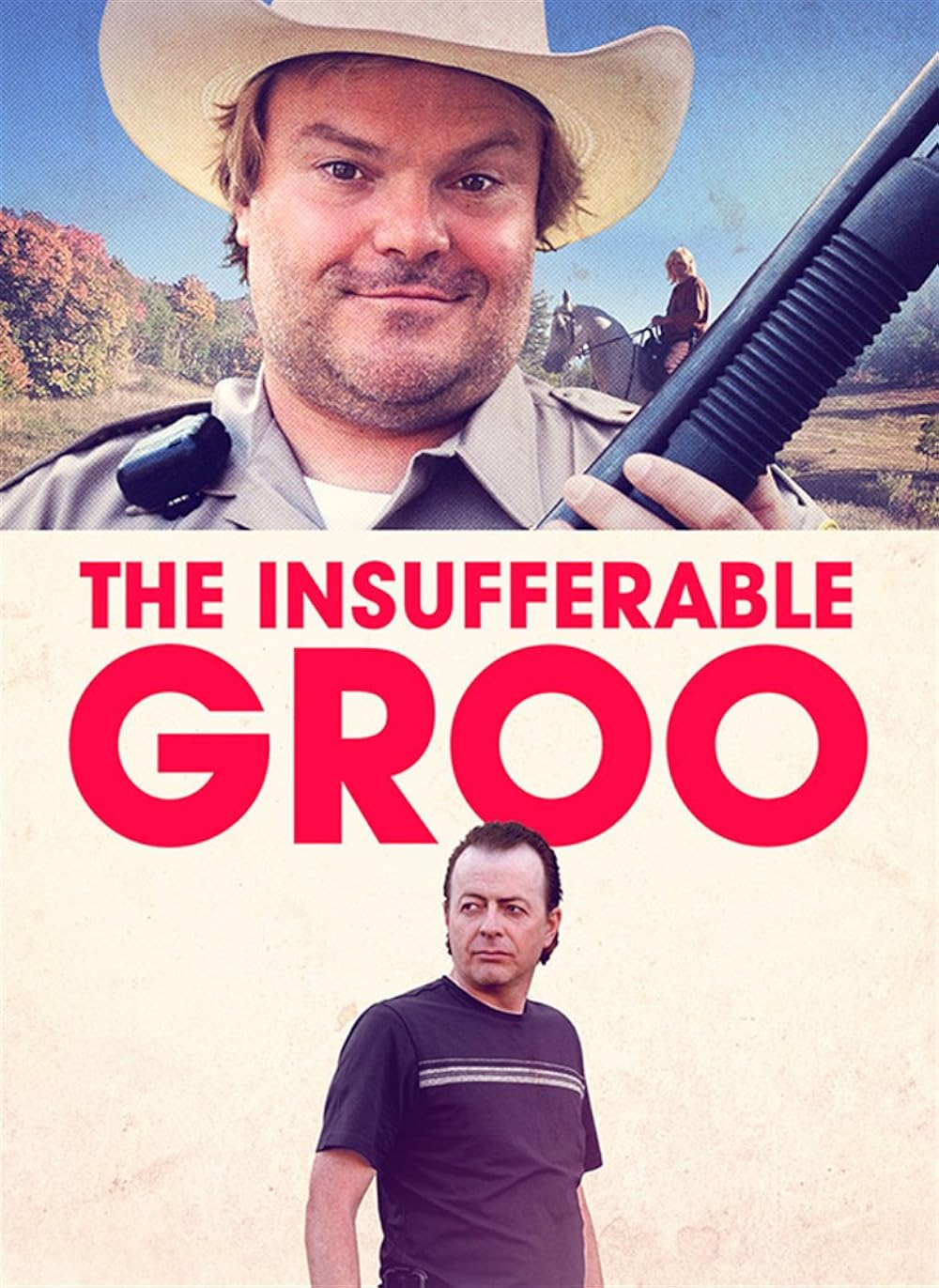
Insufferable is simply, “not to be endured.” Sounds a little judgmental on the part of the dictionary writers.
I prefer Groo the Wanderer.
Interatomic sounds like it’d be something cool, but it’s merely “existing or acting between atoms.” It does raise the question, though, of what could possibly be in this space between atoms. Grant Morrison probably answered this in some comic somewhere.
Then we get to the opposite of interatomic with intergalactic, “relating to or situated in the spaces between galaxies.” If space is empty, then this isn’t so dissimilar to interatomic. If there’s aliens out there, who’s to say there are aliens between atoms as well? Oops, I’m going all Grant Morrison again.
He’s gone meta! Run!
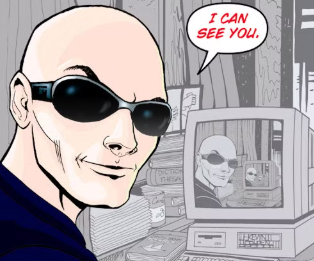
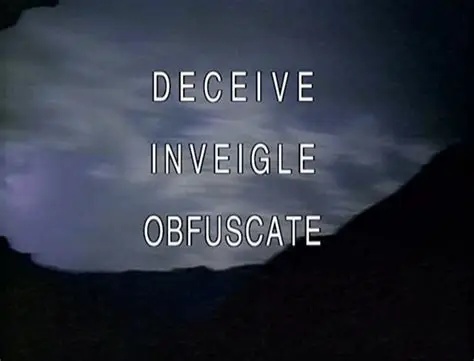
I think we all remember inveigle from that one episode of The X-Files, now here’s the definition. “To win over with flattery,” and “to acquire through ingenuity or flattery.” That Mulder is such a flatterer.
The definitions are out there.
The in- prefix finally comes to an end with inward, which is “toward the inside, center, or interior,” and “directed toward the interior.” But it’s also, “mental, spiritual,” which is about as broad as a definition can get.
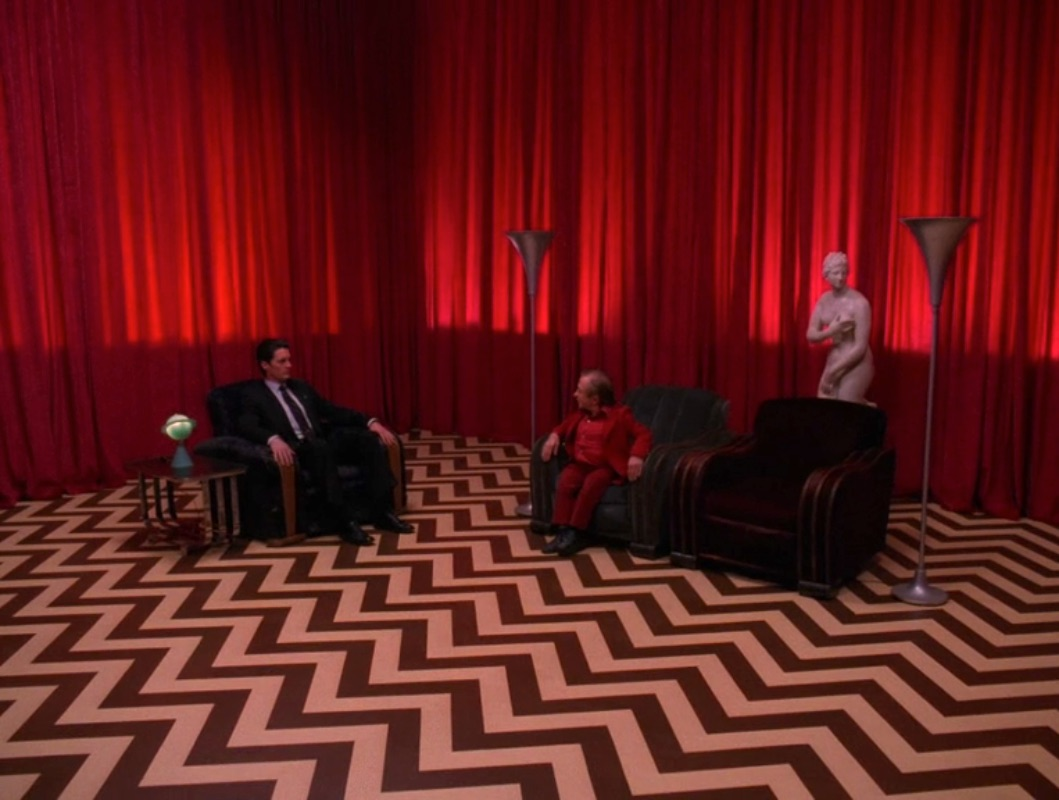
Iron gets a long, science-y definition of the metal that I’m not going to type out here because I’m feeling lazy. This leads to half a page of words iron- as a prefix, including ironclad, iron lung, and ironware. There’s also iron curtain, which is not just the famous one, but any “political, military, and ideological that isolates an area.”
I said iron curtain, not red curtains!
Once again we ask how to define the undefinable. In this case, irony. The dictionary says it’s “the use of words to describe the opposite of what one really means,” and “incongruity between the actual result of a sequence or events and the expected results.” I hopped over to Wikipedia, who calls irony “a juxtaposition of what, on the surface, appears to be the case with what is actually or expected to be the case.” It then goes on and on, with types, grades, and modes of irony, before getting into rhetoric and postmodernism. Is it ironic that I can’t think of a good “it’s so ironic” joke to end this paragraph?
Sings: “And that is irony.”
Here’s a new one: isinglass isn’t glass at all, but “a gelatin obtained from various fish.” One of the dictionary editors got that zoology degree, and they’re determined to use it.
There’s a lot of space devoted to it, starting with “that one – used of a lifeless thing, a plant, a person, or an animal, or an abstract entity,” and then getting even more technical with “used as a subject of an impersonal verb that expresses a condition or action without reference to an agent.” If you say so. The next definition gets playful “the player in a game who performs the principal action of the game.”
“Beep, beep, Ritchie!”
The letter I comes a conclusion with ivy, “a trailing woody evergreen vine with small black berries that is related to ginseng,” followed by IWW, “International Workers of the World.” This mismatch of subjects is a good representation of how the I section has been such a mismatched assortment of words.
Next: Just kidding!
* * * *
Want more? My ongoing series THE SUBTERKNIGHTS is back on the Kindle store! A man searches for his missing sister in a futuristic city filled with far-out tech, strange creatures, and secret magic. Only $0.99 or free with KU!
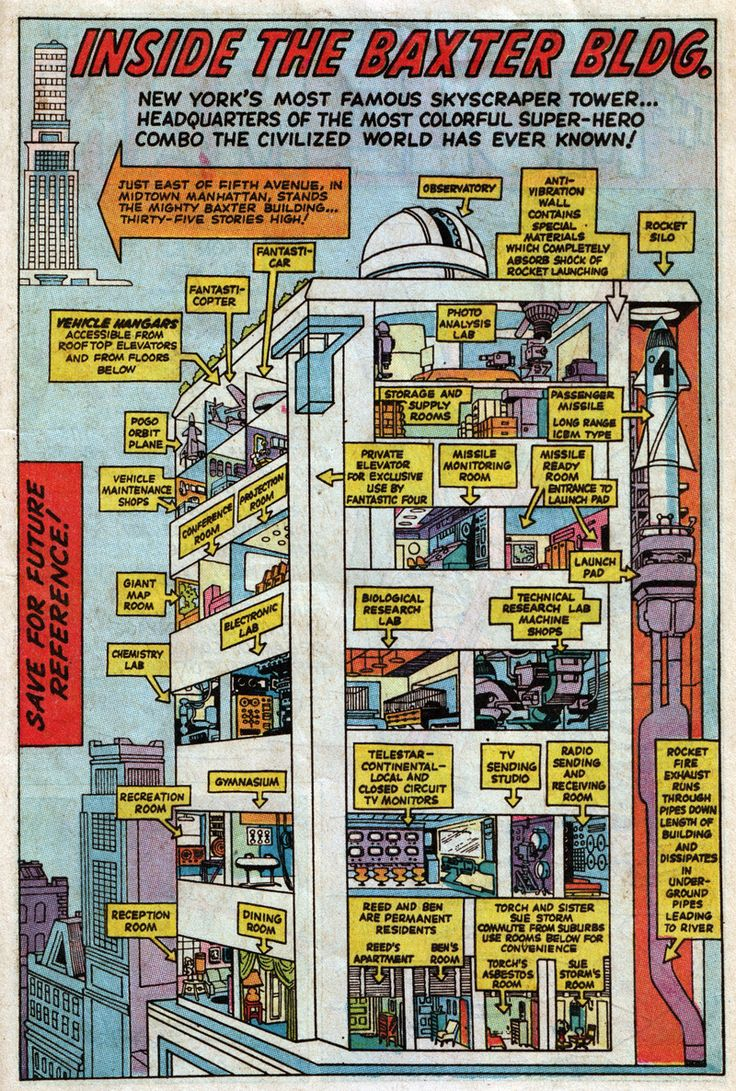
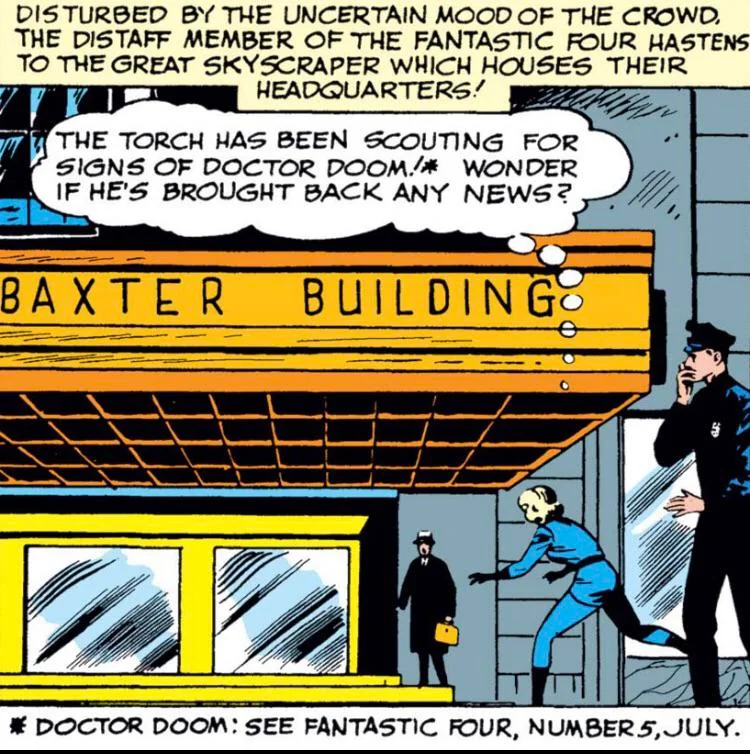
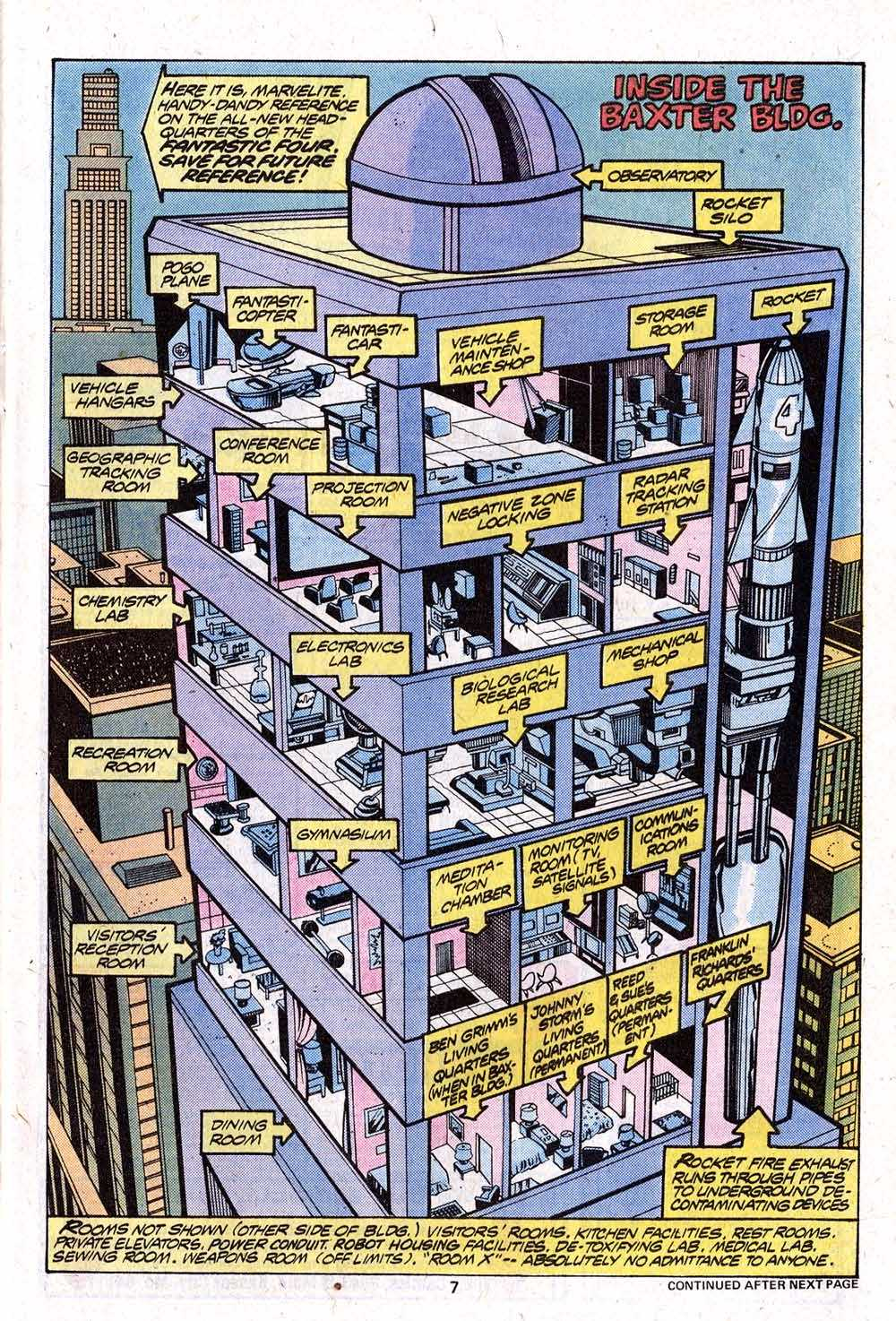
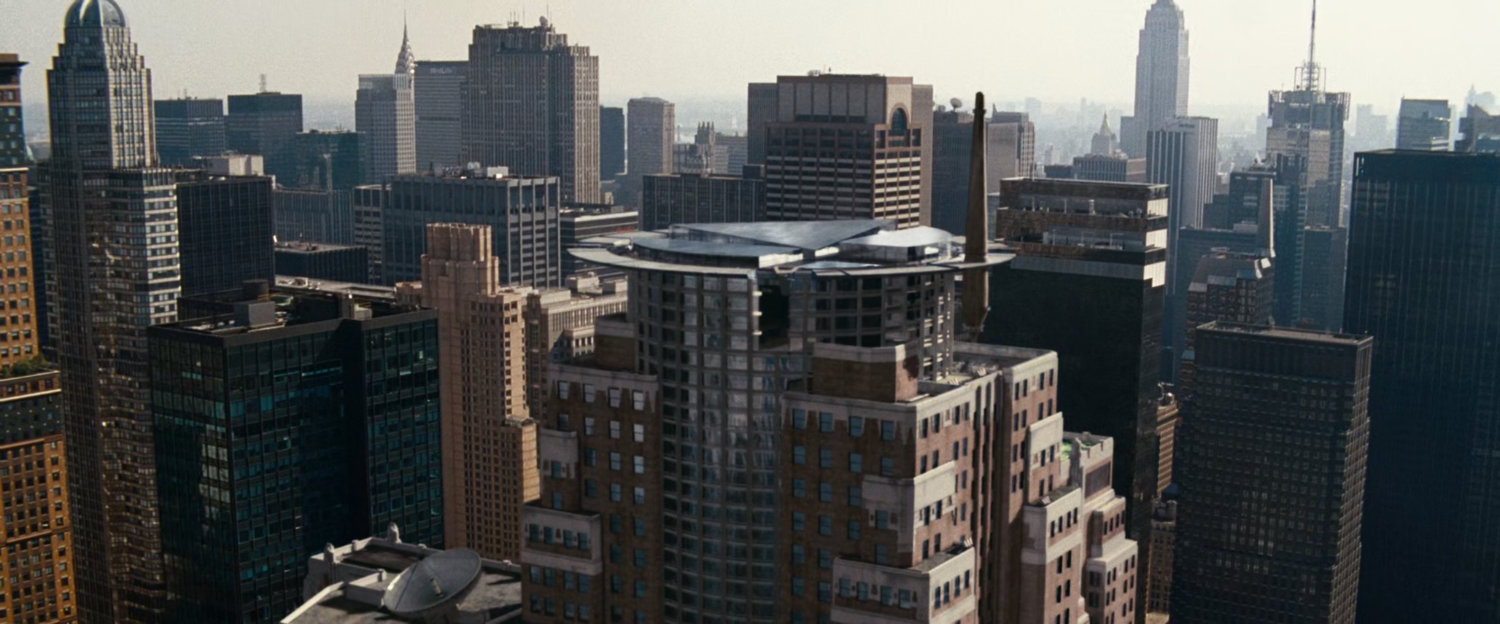
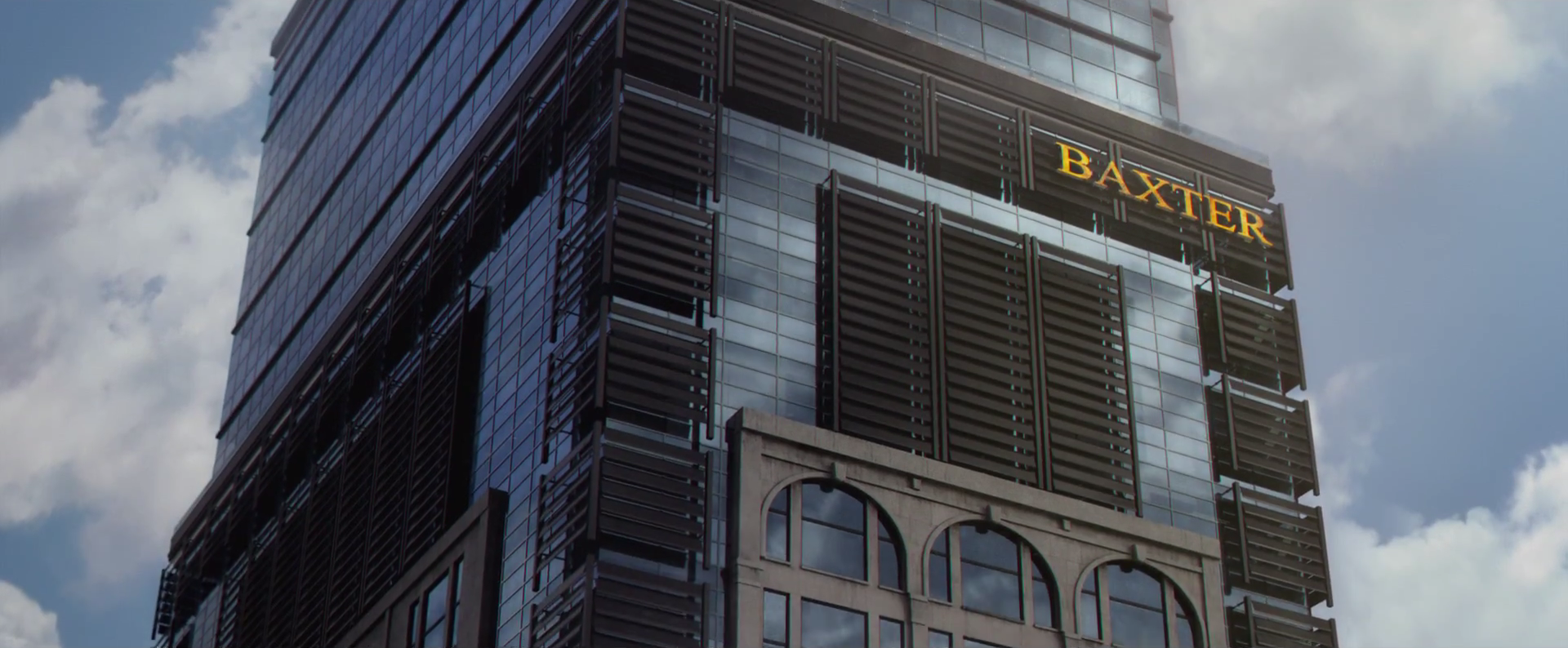
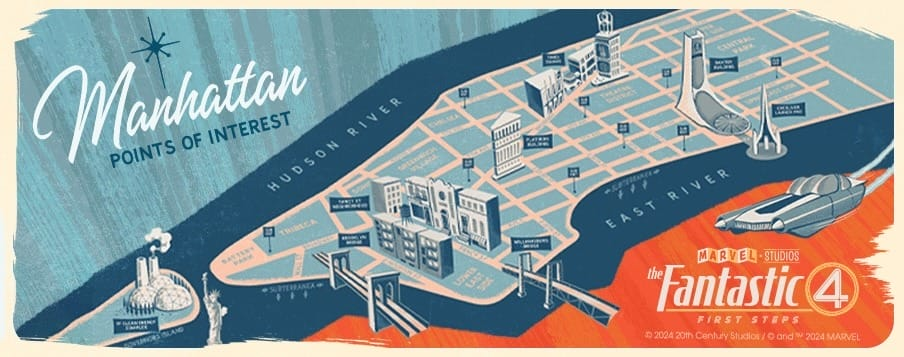
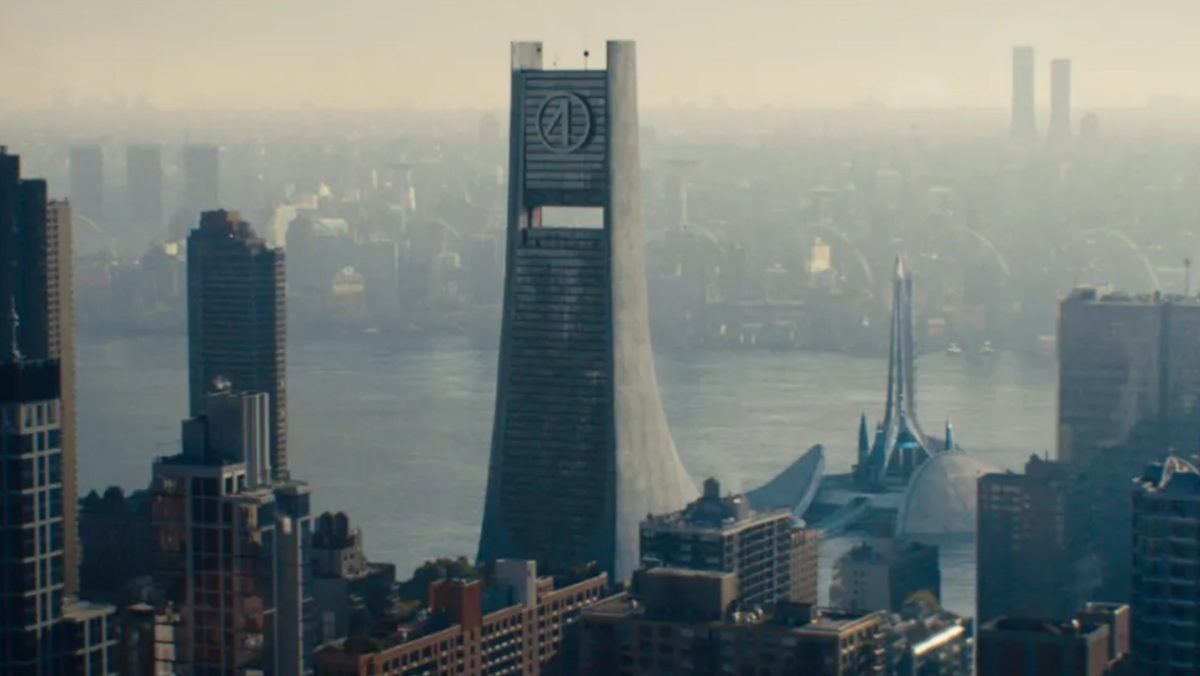
Reading the Fantastic Four comics from the start. Except I’m still reading all of the Original Sins crossover for the next issue. Until then, let’s go back to the Baxter Building.
* * * *
Want more? My ongoing series THE SUBTERKNIGHTS is back on the Kindle store! A man searches for his missing sister in a futuristic city filled with far-out tech, strange creatures, and secret magic. Only $0.99 or free with KU!
Reading the entire dictionary from front to back! Something I’ve always wanted to try. Not only are we in the middle of the I section, but we’re in the middle of words that start with in-. We’re in the ins!
You’d think that indefatigable would be the type of word you’d actually go to the dictionary for, but the definition is nothing but “untiring.”
Also the name of a battleship, apparently.
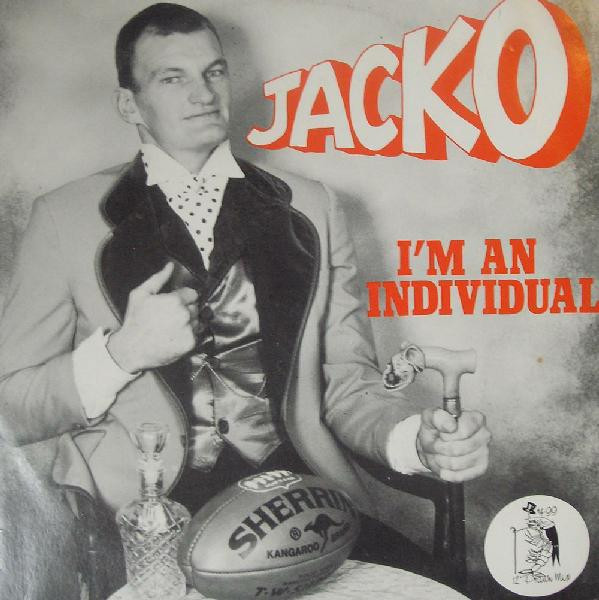
It’s another case of using-a-word-in-that-word’s-own-definition with individual, “of, relating to, or associated with an individual,” “being an individual,” and “existing as an individual whole.” To be fair, it’s also “a particular person, animal, or thing,” and “a single member of a category.”
He certainly is.
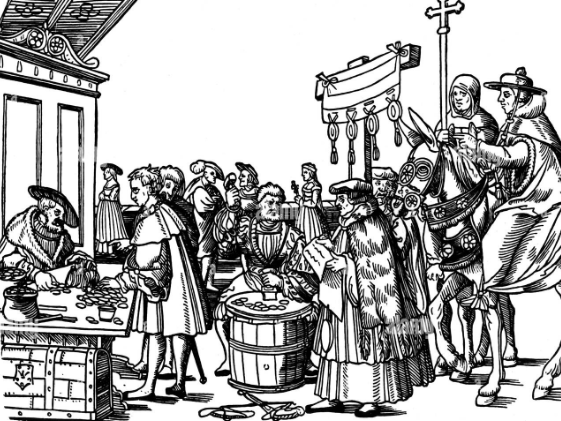
To indulge is “to give free rein to gratify,” “humor,” and “to gratify one’s taste or desire.” But then, indulgence is “remission of temporal punishment due in the Roman Catholic doctrine for sins whose eternal punishment has been remitted by reception of the sacrifice of penance.” That sounds like a whole lot more than, say, a chocolate sundae.
So indulgent.
This begins another three pages with footnote-like words along the bottom of the page for spelling only, including interesting inclusions like inelasticity, ineradicable, and inextinguishable.
Here’s a new one: infelicitous is “not appropriate in application or expression,” with the word “comments” in parentheses. If you’re going to leave a comment, it better not be infelicitous.
Infinite is “limitless, boundless, endless,” and also “greater than any preassigned finite value, however large.” Isn’t that just a fancy way of saying “infinity plus one?”
Beyond the infinite.
The suffix -ing somehow gets its own entry, as an “action or process,” and multiple follow-up definitions mostly using that same phrase. It feels like the dictionary writers came up with “action or process” and decided to lean into it hard here.
Another new one: an inglenook is “a nook by a large open fireplace, also a bench occupying this nook.” Maybe a better word for this would be “fire hazard.”
The dictionary doesn’t mention how rustic they are.
Next we make it permanent with ink, “usually a liquid and colored material for writing and printing.” Why add “usually” to that? This one also has the word’s origins in parentheses, saying this comes from Latin for “burned in” and Greek for “to burn in.” I guess at some point, ink must’ve been developed to mimic or replace permanent writing done by burning. Maybe this story can be Christopher Nolan’s next movie.
Making a splash.
Next: Why be galactic when you could be intergalactic?
* * * *
Want more? My ongoing series THE SUBTERKNIGHTS is back on the Kindle store! A man searches for his missing sister in a futuristic city filled with far-out tech, strange creatures, and secret magic. Only $0.99 or free with KU!
Reading the entire dictionary from front to back! Something I’ve always wanted to try. We’ve made it to the letter I, which will make for some weird-looking sentences in print, but what can you do?
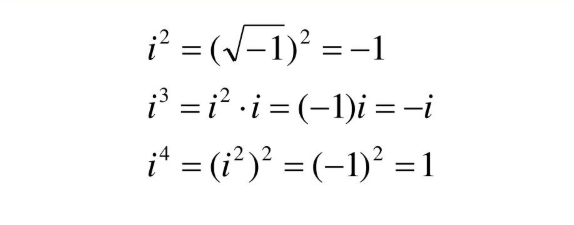
It’s one of most common words, especially for those of us who write in first person, but the dictionary keeps it simple with I as “the one speaking or writing.” It’s also a symbol for “island,” “iodine,” “interstate,” and “imaginary unit.” What gets measured in imaginary units, exactly? Health potions?
Upon googling, I see that “imaginary unit” is a math thing.
Beyond that, the first “real” word under I is ibex, “any of several Old World wild goats with large curved horns.” Does that mean there are New World goats? This is followed by a new one for me, ibidem, which is just “in the same place.” Does this mean ibex can gather ibidem?
The ibex loves to pose majestically.
There’s half a page devoted to ice and words with an “ice” prefix. It’s “frozen water,” “a flavored frozen dessert,” and “a substance resembling ice.” Again I ask, is it cheating to use a word in its own definition? Ice is also a metaphor, “a state of coldness (as from formality or reserve.)”
Hmm… I can’t think of any good puns to go with this picture.
Identity gets an oddly-worded definition, “the sameness of essential character” and “the fact of being the same person or thing as claimed.” The use of “same” and “sameness” sounds rather Orwellian to me.
An idiot is “a foolish or stupid person,” as you can imagine. But this is one of those definitions that has the word’s origin in parenthesis. From the Greek idiotes, “one in a private station, layman, ignorant person; and idios, “one’s own, private.” Does this mean that in ancient times, people who were loners were automatically considered dumb? I don’t like that.
Does she look like an idiot to you? Wait, don’t answer that.
Now it’s biology lesson time, with ileum, “the part of the small intestine between the jejunum and the large intestine,” followed by ilium, “the uppermost and largest of the three bones making up either side of the pelvis.” I’ll go ahead and be thankful this is a dictionary without those little illustrations.
There are thirteen definitions for ill, and it’s not until the thirteenth that we get “ailment, sickness.” Others include “attended or caused by evil intent,” and “in a faulty way.” This kicks off almost two pages of words with the “ill-” prefix.
There’s an illness in this place.
The dictionary goes all out with imagination, “the act or power of forming a mental image of something not present to the senses or not previously known or experienced.” Did Alan Moore write this one?
This section is all about the prefixes, because next is a long runner of words with an “imm-” beginning. The book keeps things simple with immoral being “not moral,” and immortal being “not mortal.” There’s a lot of genre fiction about immortals having skewed morals, so that tracks.
I question their morals.
Similarly, importance is “the quality or state of being important,” while important is “marked by importance,” and “giving an impression of importance.” It’s also important to go around in circles, apparently.
Then we go inside the word in, which gets a whopping twenty definitions, most of them similar. “Used to indicate physical surroundings” seems to cover it for me. This starts several pages with the “in-“ prefix, including another footnote-like list of words without definitions running along the bottom of the page, just so you’ll know how to spell them. Seeing inactive, inaccessible, and inartistic grouped together feels like a bummer.
Deciding what is or isn’t unartistic is just as troublesome as what is or isn’t art.
Next: Let’s everybody get infallible.
* * * *
Want more? My ongoing series THE SUBTERKNIGHTS is back on the Kindle store! A man searches for his missing sister in a futuristic city filled with far-out tech, strange creatures, and secret magic. Only $0.99 or free with KU!
THE SUBTERKNIGHTS Episode 3: Honorable is now online!
The search for Simon’s missing sister Lisa takes an unexpected turn when Val, the subeterknights’ steely swordsman, is reunited with his family. All this while winged harpies are attacking the city streets, complicating the search for Lisa. As tensions rise between Val’s family and subterknight leader Zack, Simon is caught in the middle.
Who is Val, and where did he come from? Find out in THE SUBTERKNBIGHTS, an ongoing sci-fi/fantasy hybrid filled with action, romance, thrills, and laughs. Only $0.99 at the Kindle store, or free with Kindle Unlimited.
Cover art by Scarlett Bordeaux.
Everybody please share the link on your socials to help spread the word!
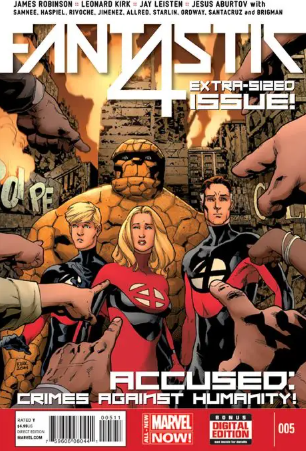
Reading the Fantastic Four comics from the start. It’s law and order time as the FF have their day in court in vol. 5 issue #5.
Recap: New York was recently attacked by insect-like creatures from within a pocket universe created by Franklin’s mutant powers. Johnny sacrificed his powers to stop them. After a destructive battle with a new version of the Frightful Four, our heroes found that S.H.I.E.L.D. has commandeered the new Baxter Building, and now the FF must explain themselves in court!
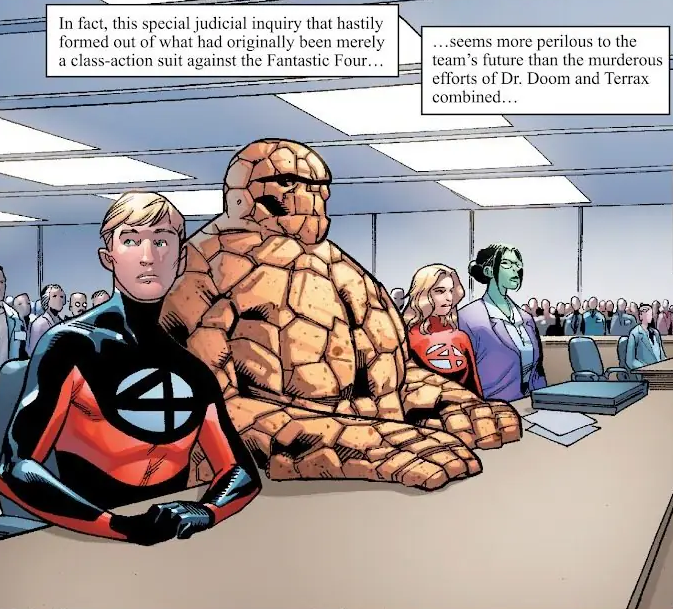
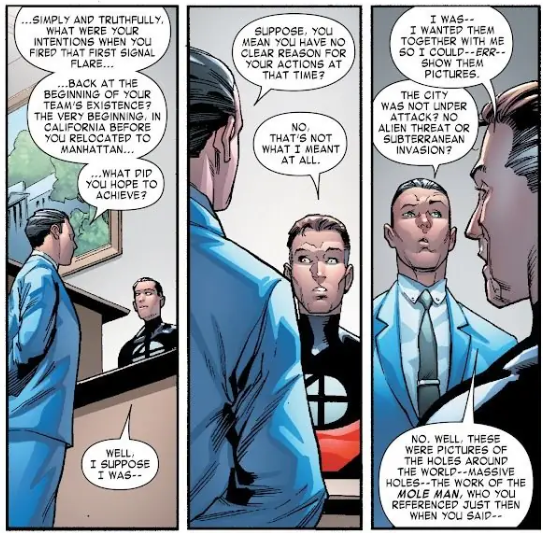
The issue begins with an editorial by Betty Brant of the Daily Bugle, who is no longer Jonah’s put-upon secretary but the paper’s legal editor (!). She explains that a special judiciary committee has been formed to bring a class-action lawsuit against the Fantastic Four. The committee is led by prosecutor Aiden Toliver, while our own She-Hulk is doing the lawyer thing for the defense. We just right to Reed testifying, and Toliver grilling him about the opening scenes of the very first issue, where Sue, Ben, and Johnny caused chaos in New York just to reach Reed so he could show them some photographs. This kicks off the fun part of the issue, where the flashbacks are drawn in the style of the original comics referenced.
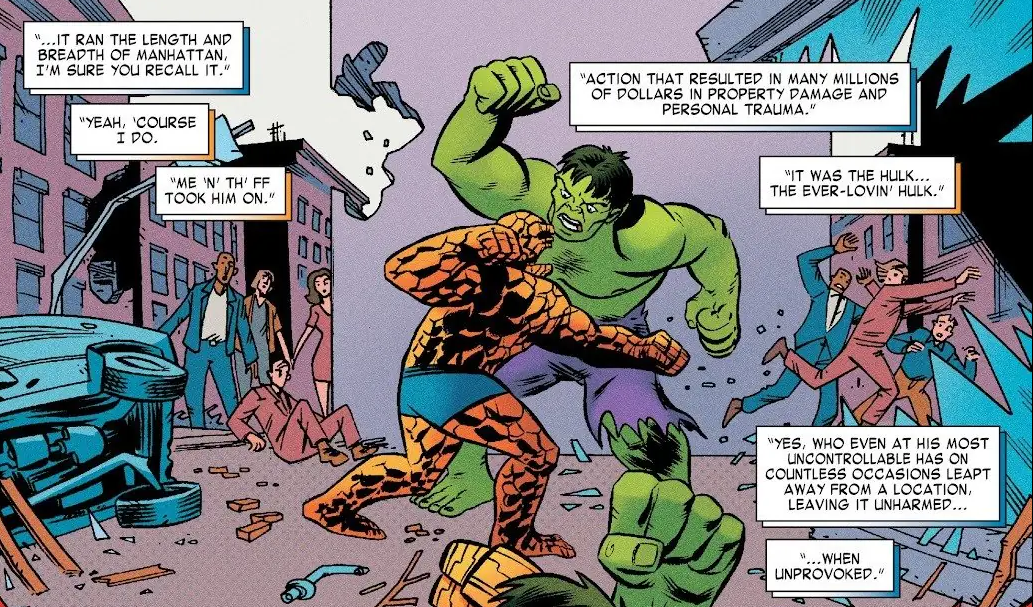
Ben is questioned about his many fights with the Hulk over the years, and Sue is questioned about the FF’s relationship with Namor, who has attacked the surface world on several occasions. Johnny is asked about Crystal and the Inhumans. He says the Inhumans are the good guys, but Toliver says their battles have also caused destruction in NYC. Then it’s back to Reed, who is put on the spot about his rivalry with Dr. Doom. Toliver stresses how Valeria is currently living with Doom, arguing that Reed failed to protect his daughter from him. Everybody breaks for lunch (this was all happening over one morning?!?), and then Reed must testify about Galactus. Reed discusses the Ultimate Nullifier, the alien device that can defeat Galactus by undoing and the redoing all of reality. Toliver argues that no one should wield that much power, getting Reed to admit he doesn’t know the current location of the Nullifier. This leads to talk about the Negative Zone portal, also located in the Baxter Building, which is home to dangerous aliens like Annihilus and Blastaar the Living Bomb-burst.
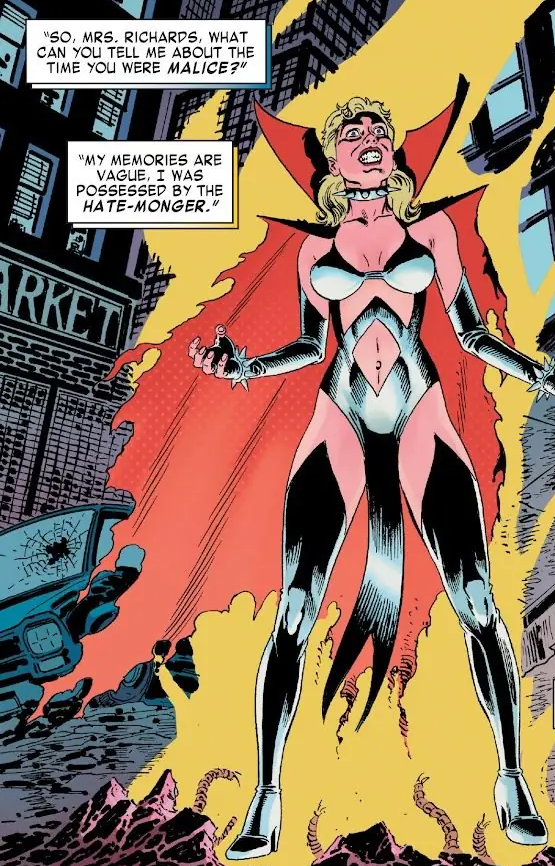
Sue is back on the stand next, having to defend her time possessed by Malice. Then a random New Yorker testifies about the time Ben threw a car at his father. He says Ben was not fighting a supervillain at the time, but he was just angry at people on the street taking his photo. “We should have done more,” Reed whispers to Sue.
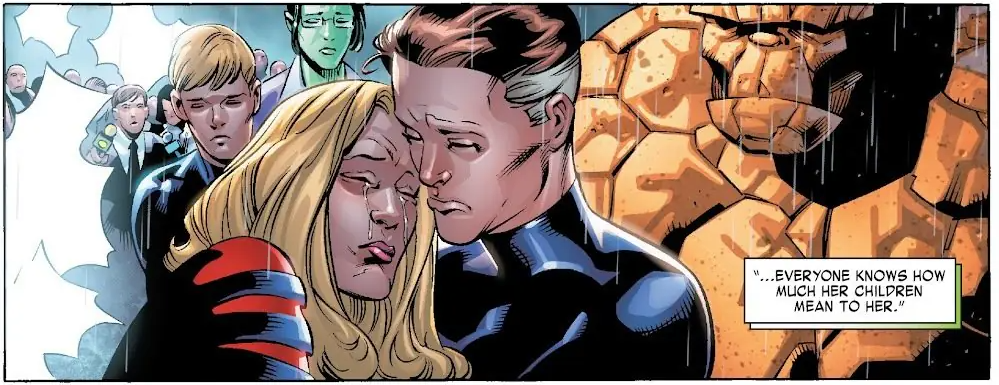
Toliver makes his final argument, saying Reed stores dangerous technology in his HQ, endangering the people of New York with his hubris. He then argues that this also endangers Franklin and the children of the Future Foundation. We don’t see what the final ruling is, but Sue is shown in tears in front of the courthouse afterward.
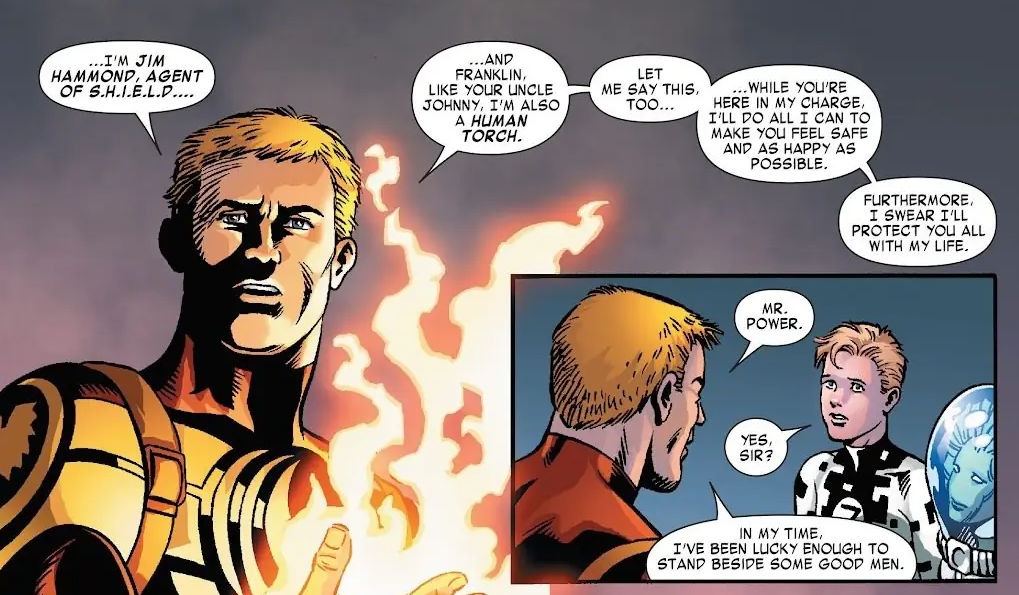
Cut to Latveria, where Valeria and Dr. Doom succeed in defeating Count Nefaria, part of Doom’s newfound trying to be a hero. Valeria is troubled. She says she’s not going to leave Doom’s side, but she’s concerned about her brother. Then we go to a S.H.I.E.L.D. base, where it’s made official – Franklin and the Foundation kids have been legally separated from their parents. It’s a tense situation at first between the Alex Power and the S.H.I.E.L.D. agents, until Jim Hammond shows up. He reminds the kids (and the reader) that he was the original 1930s Human Torch, and he’s the kids’ new legal guardian. Alex Power tells the rest of the Foundation, “I think we’re going to be okay.”
Unstable molecule: Reed doesn’t actually say anything when he’s on the stand and asked about Dr. Doom. All the dialogue for those two pages are between Toliver and She-Hulk while Reed just sits there.
Fade out: This issue makes the point that Malice was merely Sue being possessed by the Hate Monger. But it was later revealed during the DeFalco years that Malice was her own entity, still lurking in Sue’s subconscious somewhere. I guess Sue was smart for not mentioning that part.
Clobberin’ time: Ben defends his actions in fighting the Hulk by saying, “no time for chit-chat.”
Flame on: When asked about his feelings for Crystal, Johnny says, “I’ll always have the deepest regard for her.”
Fantastic fifth wheel: She-Hulk has lunch with Betty Brant twice in this issue (how much time is passing?), giving Betty info for her articles.
Four and a half: When Alex Power stands up to the S.H.I.E.L.D. agents, Franklin is right by his side, saying “We’re all in this together.”
Our gal Val: Valeria encourages Doom to defeat Nefaria not to take his land on behalf of Latveria, but to do good for the sake of doing good.
Foundational: Dragon Man is weirdly absent from the Future Foundation, considering he was the grown-up one, tasked with taking care of the kids when Reed and Sue weren’t around. Similarly, it’s pointed out that Alex Power is eighteen now, and is free to go. But Alex refuses to abandon the Foundation.
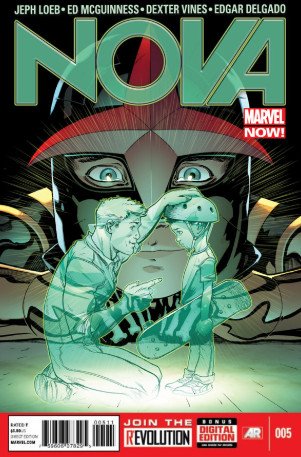
Trivia time: There’s a bit of debate among fans about continuity of the Ultimate Nullifier’s place in this issue, with much confusion about what became of it, and whether Reed or Galactus ended up with it. I went back and re-read its last appearance in vol. 3 #49. After Reed uses the Nullifier in that issue, we don’t see where it ended up after the universe was reset. After this, Nova will recover the Nullifier from a guy named Sam Alexander and give it to the Watcher in Nova #5.
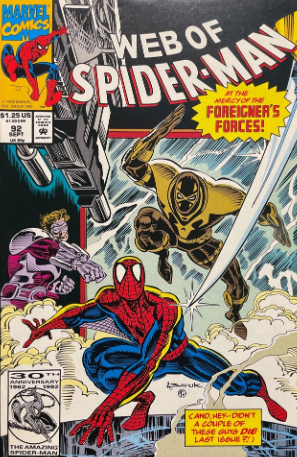
Betty Brant got her first shot at investigative reporting in Web of Spider-Man #92, leading to lots of Spidey comics where her stories make the front page. I’m not clear on how Betty and She-Hulk are friends, but it’s probably from She-Hulk’s romance with John Jameson.
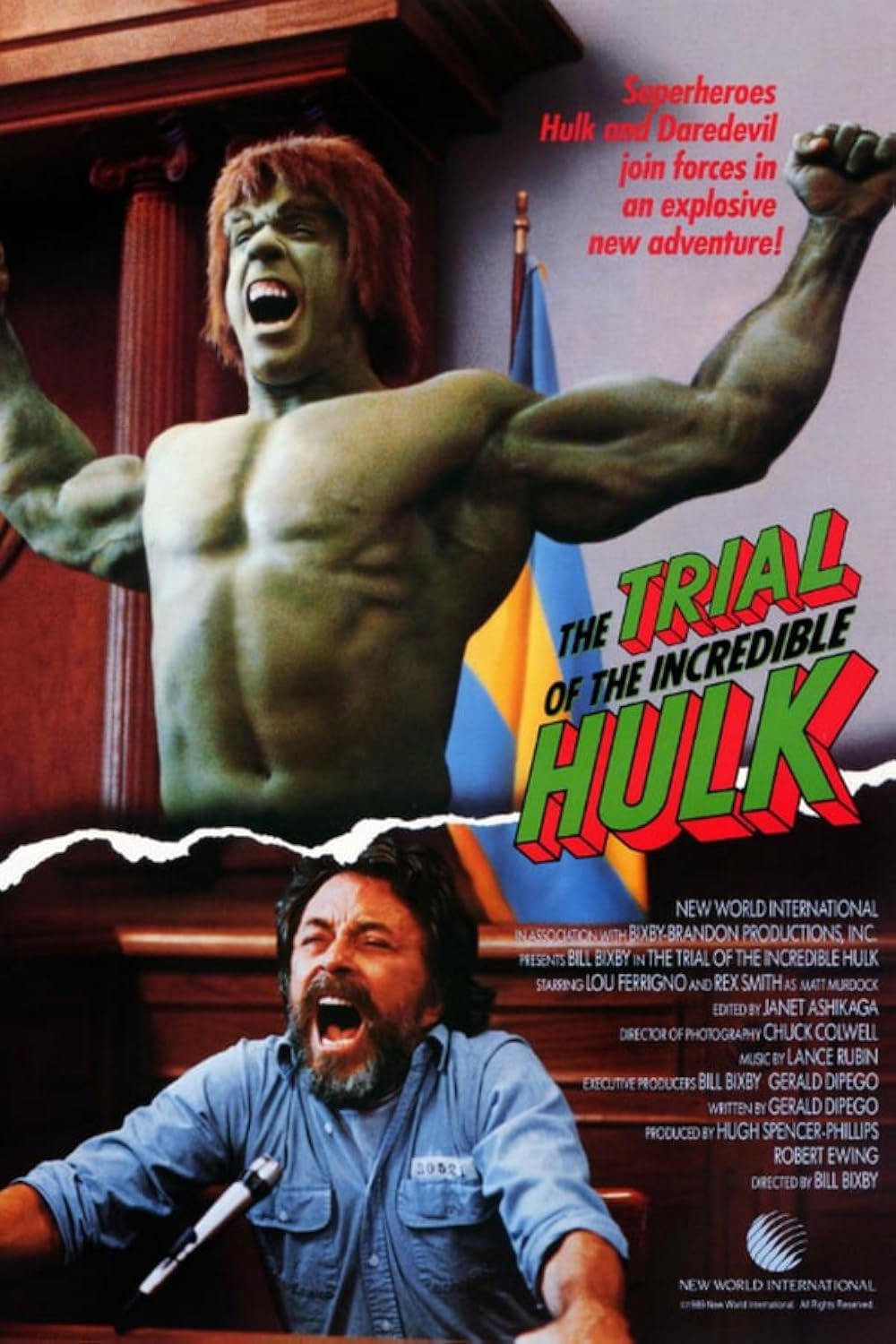
Speaking of Betty, she mentions two other times superheroes have been put on trial. One was Magneto, which was in Uncanny X-Men #200, and the Hulk. I’m assuming this refers to Incredible Hulk #279, the famous issue where the Hulk was granted amnesty by the president. But I wonder if it’s a jokey reference to the 1989 TV-movie Trial of the Incredible Hulk.
Fantastic or frightful? This promises more ongoing complications for the characters in future issues, but the real fun here is the nostalgia romp through FF history. This is the sort of fun continuity that writer James Robinson did so well in Starman, and he uses it to good effect again.
Next: Sinful.
* * * *
Want more? My ongoing series THE SUBTERKNIGHTS is back on the Kindle store! A man searches for his missing sister in a futuristic city filled with far-out tech, strange creatures, and secret magic. Only $0.99 or free with KU!