
Re-reading Shakespeare’s The Winter’s Tale. It’s time for a confession and even more conspiratorial stuff at Act 1 concludes. Also, a D&D monster is here.
We’re in the final stretch of the super-long Act 1 Scene 2, when Polixenes returns to the stage. He says one of my favorite lines from the play, “My favor here begins to warp.” Catchy wordplay aside, this means he can tell something is up, and that he’s not as welcome in Sicilia as he was when this scene started. If this were a full-on movie adaptation, I imagine we’d be in a different location now, with visual cues to show that some time has passed.

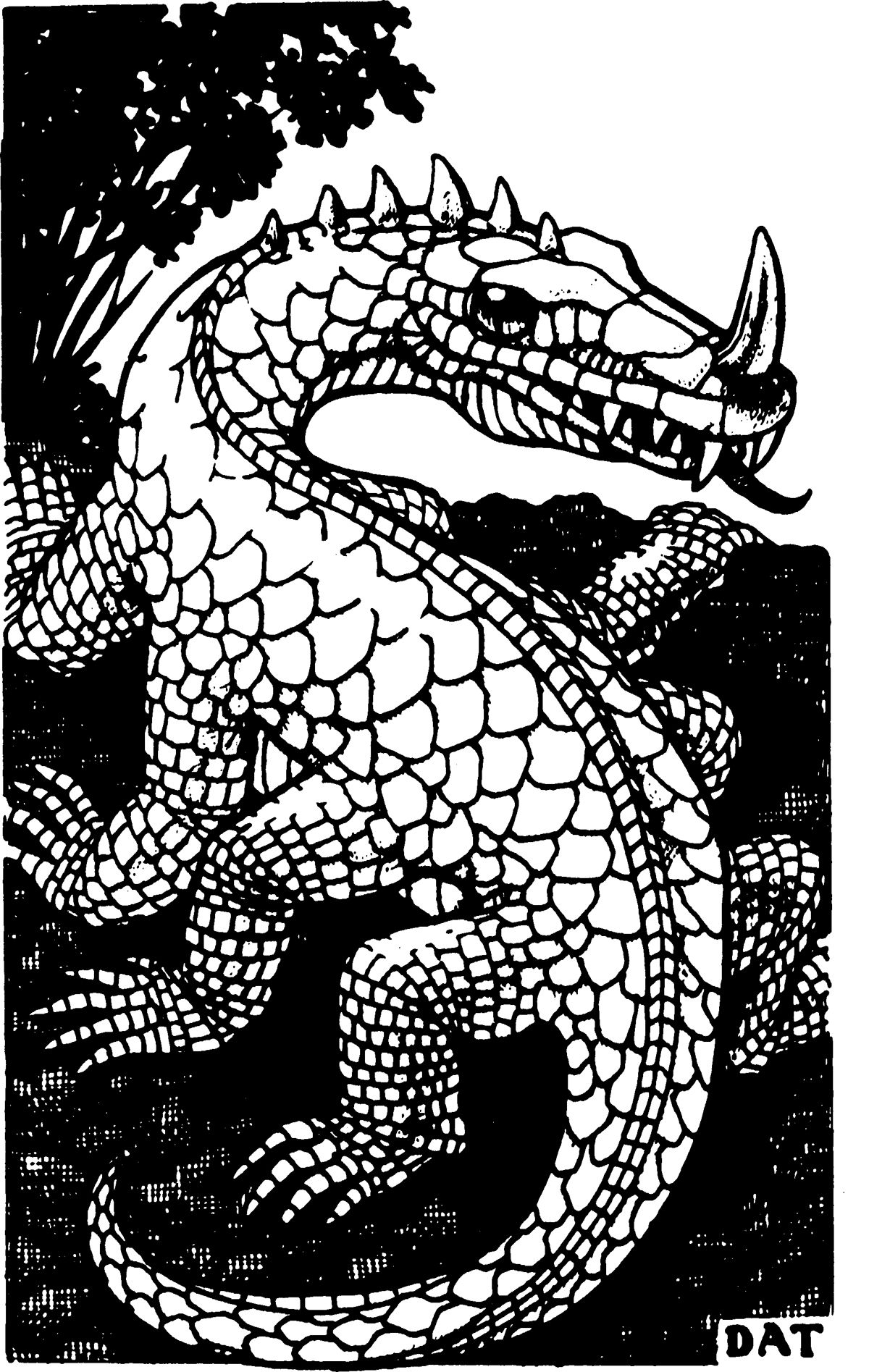
Polixenes speechifies about the changes in Leontes’ behavior, and Camillo blames it on some unknown illness. Because he’s the only one without this illness, Polixenes fears he’s causing it, comparing himself to a basilisk. I’m sure this made all the Dungeons and Dragons fans excited, as this mythological serpent monster is a game favorite. It has the power to petrify anything it looks at it, and therefore its weakness is its own reflection. My old Monster Manual states the basilisk can also see into the astral plane, and its gaze will kill you instantly if your character has also gone astral. That has nothing to do with The Winter’s Tale, I just think it’s neat.
Polixenes wises up, knowing Leontes’ change in attitude is no illness. Camillo fesses up that Leontes has “appointed” him to kill Polixenes, for fear that Polixenes touched his wife “forbiddenly.” More fun wordplay. Polixenes compares this betrayal to “the Best,” with the word Best capitalized. This is a reference to the Biblical tale of Judas Iscariot, though I’m unclear as to how audiences can know that.

Camillo says Leontes is unshakable in his belief of Polixenes and Hermoine. Camillo takes charge, coming up with a plan for Polixenes and his people to sneak out of Sicilia during the night, in small groups of twos and threes. A filmed version of this could include a montage of the Bohemians skulking around the city at night.
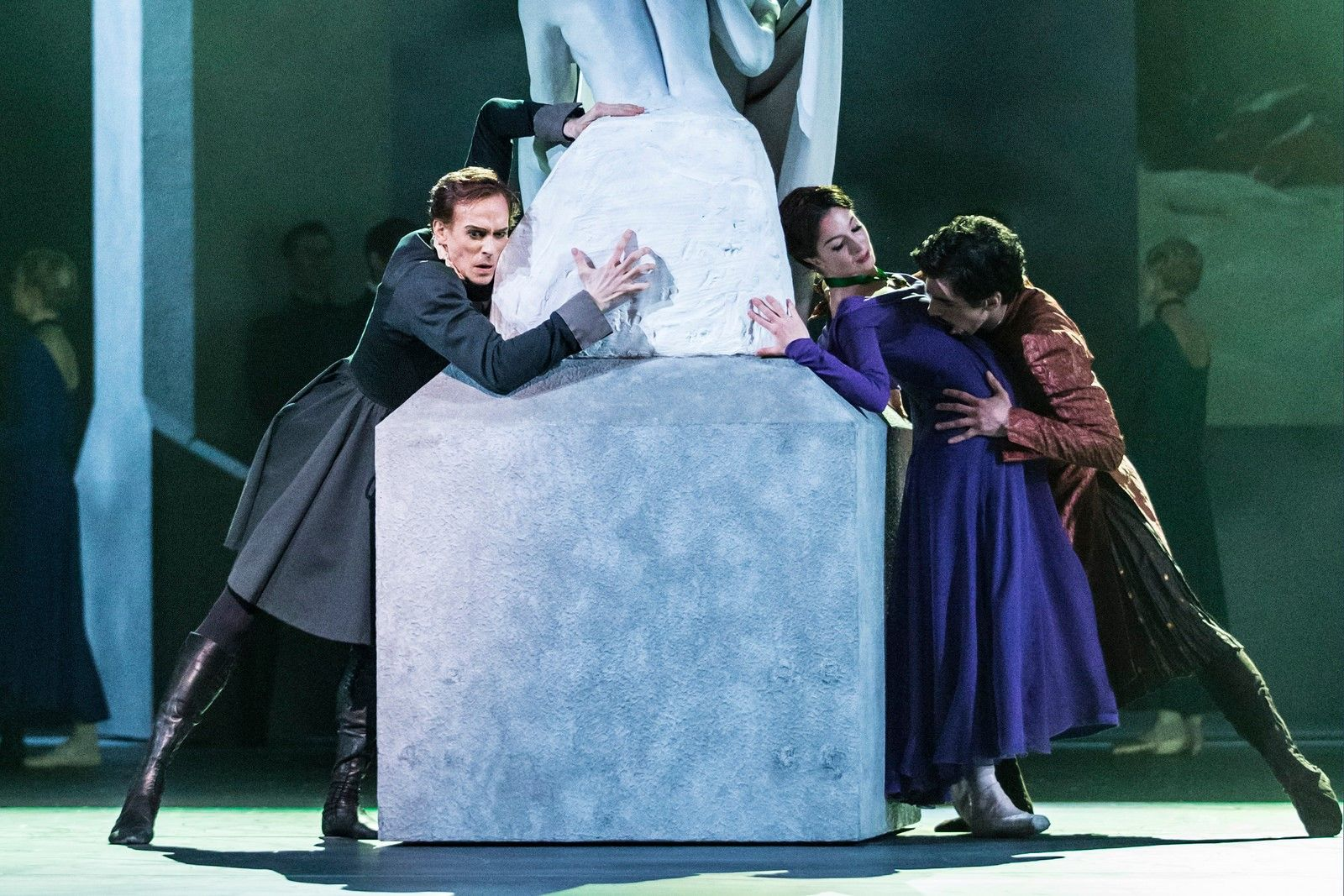
Then there’s the question of whether Leontes’ jealousy is based on something real or imagined. It seems to be false on the surface, but could there be something more to it? Polixenes muses about how dangerous the jealousy is, but he uses a female pronoun to describe it, saying “As she’s rare.” He also asks that Hermoine be comforted during this time, in the face of her husband’s suspicions. It’s all open to interpretation of course, I’m just interested in how the presentation of the play would be different if the actors portray Polixenes and Hermoine as genuinely romantic.
Next: The consequences.
* * * *
Want more? Check out my ongoing serial, THE SUBTERKNIGHTS, on Kindle Vella. A man searches for his missing sister in a sprawling city full of far-out tech, strange creatures, and secret magic. It’s a sci-fi/fantasy hybrid full of action, romance, mystery, and laughs. The first ten episodes are FREE! Click here for a list of all my books and serials.



 macmcentire