
Re-reading Shakespeare’s The Winter’s Tale! Now that the business with the bear is over, act 3 scene 3 concludes as we find ourselves in a whole new play with new characters.
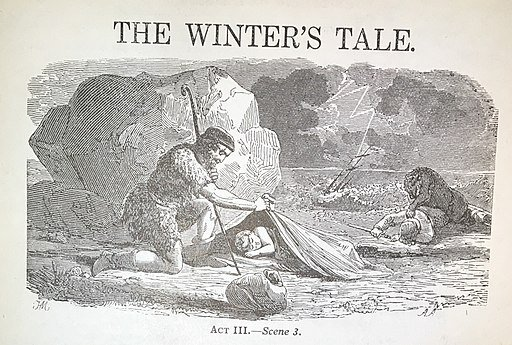
Antigonus has left the baby Perdita alone in the woods, only to be chased off by the play’s infamous bear. Now we meet two new characters, the shepherd and his son. But wait, who are these two? The Folger edition uses those names, but the Oxford edition names them “old shepherd” and “clown.” The Pelican edition and the RSC edition both split the difference with just “shepherd” and “clown.” OpenSourceShakespeare.com goes one step further on the characters list with the credit “Clown, son of the old shepherd.” Why these differences? As we all know, different versions of Shakespeare’s plays were saved in various folios and quartos and whatnot. I wonder if maybe the characters aren’t named because some well-known comedy duo of the time was meant to play them.
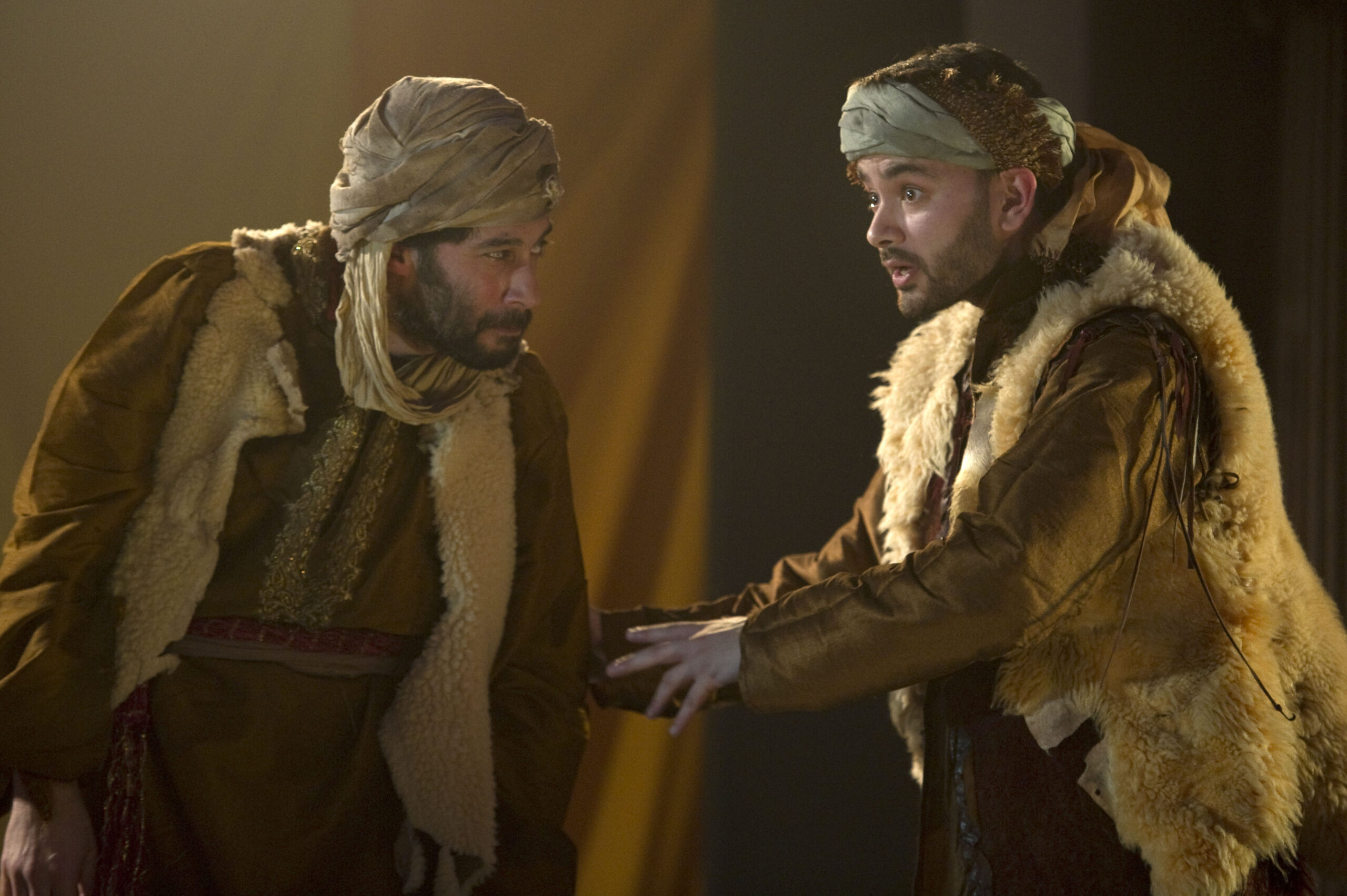
Anyway, after the bear disappears, the shepherd comes on stage with a speech about how he wishes the youth could just skip the ages between ten and twenty-three. This is some funny foreshadowing, in that we’re about to have one such time skip in the next scene. He blames the youth for scaring away his sheep. The shepherd then spots the baby, calling it “the bairn.” More differences: The Oxford edition has a stage direction, “He sees the babe,” which is absent in all the other editions. Then we get some classic Shakespeare ‘80s teen sex comedy jokes, in which the shepherd assumes the baby is the result of a gentlewoman engaging in “trunk-work” and “behind-door work.” (Hehe, double entendre.)

The shepherd’s son joins him, and I’ll call him that because I’m reading mostly from the Folger edition. The shepherd is about to show his son the baby, but then the son describes two sights he’s seen. First, he says he’s seen a ship just off the coast being swallowed up by the sea. This would be the mariner we met at the start of this scene, and his entire crew, being doomed. This is inevitable, though, so that little Perdita is truly alone in this moment, and she has nowhere else to go.

In an interesting detail, the son says the ship was “flap-dragoned” by the sea. The Pelican edition says this means “swallowed whole,” but the other editions have bizarre footnotes about a game where revelers at parties would try to catch raisins from flaming brandy. I had no idea what the heck this meant. It took a lot of googling, but I finally learned this was a Christmastime party game more commonly known as “snapdragon.” A large plate was filled with raisins or nuts, and then covered with brandy. The brandy was lit on fire, so it made small blue flames. Then partygoers took turns reaching into the fire and snatching out raisins without getting burned. The flames are mild enough so that players only got a slight sensation of heat, nothing more. A helpful Atlas Obscura article from December 2020 has all the details about how to play safely.

In a movie adaptation, would it be worth it to depict this shipwreck on screen? It’d be a big and complicated set piece for a simple plot point, but maybe it can be combined with Antigonus and the bear attack somehow. Like, the two tragic events could be edited to happen side by side, or the bear could chase Antigonus right onto the deck and then the bear brings the ship down. The possibilities are endless, except that the shipwreck isn’t really related much to the characters and the main story. It can’t be a distraction from the plot.

Speaking of which, the son next tells us about a scene we didn’t see. He says he met an injured Antigonus in the woods, who managed to introduce himself before being chased off the bear again, and properly killed this time. Does this detail upset plans for anyone who wants to make the bear attack into a big theatrical moment? It would be easy enough to have the son witness the bear attack from the sidelines, or leave the grislier details up to the imagination.

The shepherd then shows his son the baby, suggesting the child might be a changeling. Then they find the papers and the box of gold Antigonus left behind. The shepherd says it’s fairy gold. There’s a lot of magic/fantasy stuff to deal with here. “Changeling” refers to spooky stories about fairies stealing babies from their cribs, leaving evil fairy lookalike babies in their place. Other stories say that if fairies give you their gold, it could make you incredibly wealthy. But if you tell anyone where you got the gold from, then it will become cursed and bring you only misery.
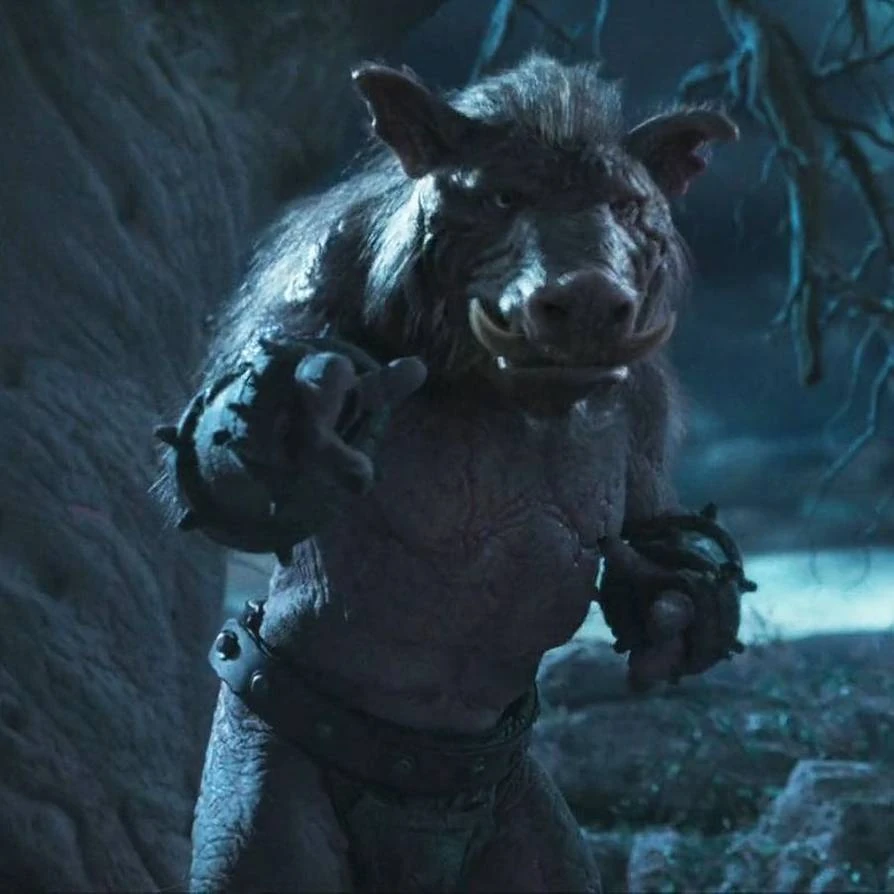
Does the shepherd believe in all this fairy talk, or is this mere playful wordplay? I think making him superstitious gives him a country bumpkin feel, in contrast to all the kings and lords we’ve been dealing with. Also, I’ve been considering a far-out epic fantasy version of this story with the Sicilians as devil/demon types and the Bohemians as angelic/heavenly types. Therefore, the baby could be something truly otherworldly from the shepherd’s perspective. But don’t worry – he describes the baby as beautiful more than once, and shows affection for her throughout this scene, no matter where she came from.

The shepherd and his son talk about finding and burying Antigonus’ remains, which the son says are scattered about in pieces. (Yikes.) Strangely, the shepherd doesn’t say outright that he’s adopting the baby. It’s understood that he’s taking the gold, that he will be sworn to secrecy, and he ends the scene by saying “We’ll do good deeds.” I suppose that’s enough.
Next: Rhyme time.
* * * *
Want more? Check out my ongoing serial, THE SUBTERKNIGHTS, on Kindle Vella. A man searches for his missing sister in a sprawling city full of far-out tech, strange creatures, and secret magic. It’s a sci-fi/fantasy hybrid full of action, romance, mystery, and laughs. The first ten episodes are FREE! Click here for a list of all my books and serials.


 macmcentire