
Re-reading Shakespeare’s The Winter’s Tale. The super-long act 4, scene 4 continues, with equal parts romance and duplicity. The usual for Shakespeare.
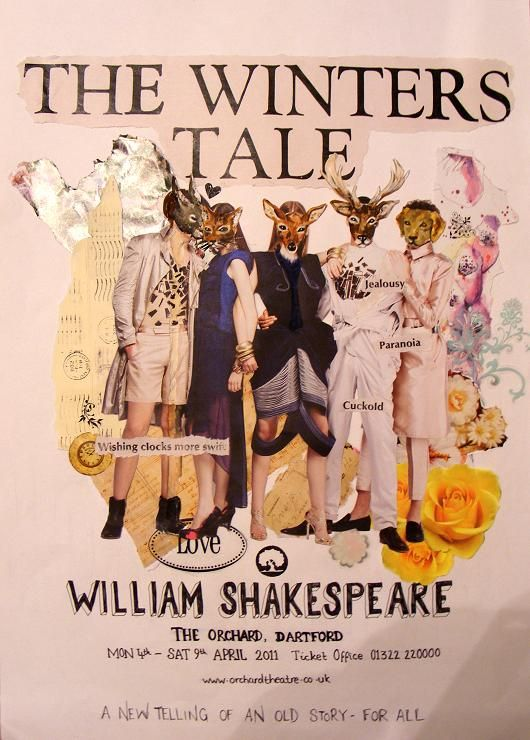
After spending all this time with Autolycus, the shepherd’s son, and Mopsa, the scene now shifts back over to the shepherd and Polixenes, the king of Bohemia currently in disguise as a farmer. A servant (likely the same servant who’s been running around throughout this scene) describes some “men of hair” who want to come and dance, describing their dance as amazingly precise. These men are the “herdsmen” who come out dressed as satyrs, who perform a dance in front of everyone.
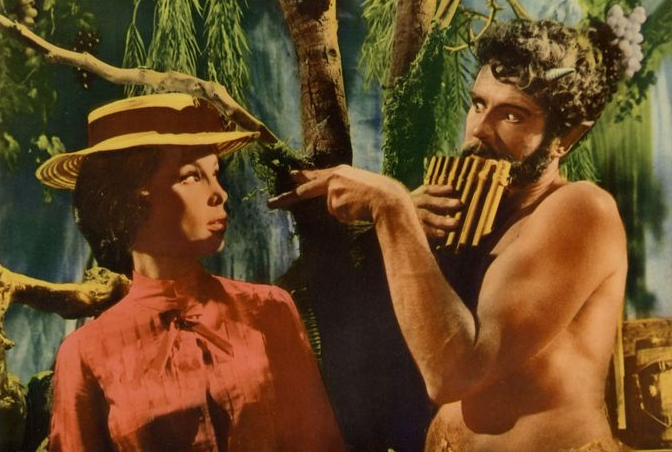
There’s a lot to go over here. First, the servant also calls the men “saultiers” meaning jumpers or leapers. This is either a joke on the word “satyr,” or, as some believe, a mistake on Shakespeare’s part. But why satyrs? In myths, they are famously beast-men with goat legs, but more than that. They represent nature and wilderness, but they’re also chaotic, unpredictable, and dangerous. So-called satyr plays were scandalous back in ancient Greece for their ribald humor. For The Winter’s Tale, they fit right in with the winter-to-spring metaphors that run through the play. In a straightforward comedy version of the play, this satyr dance could be a bunch of slapstick gags. But I’ve also been picturing a far-out epic fantasy version of the play throughout these blogs, so in that case the satyrs could be otherworldly creatures and this could be a big magical sequence.

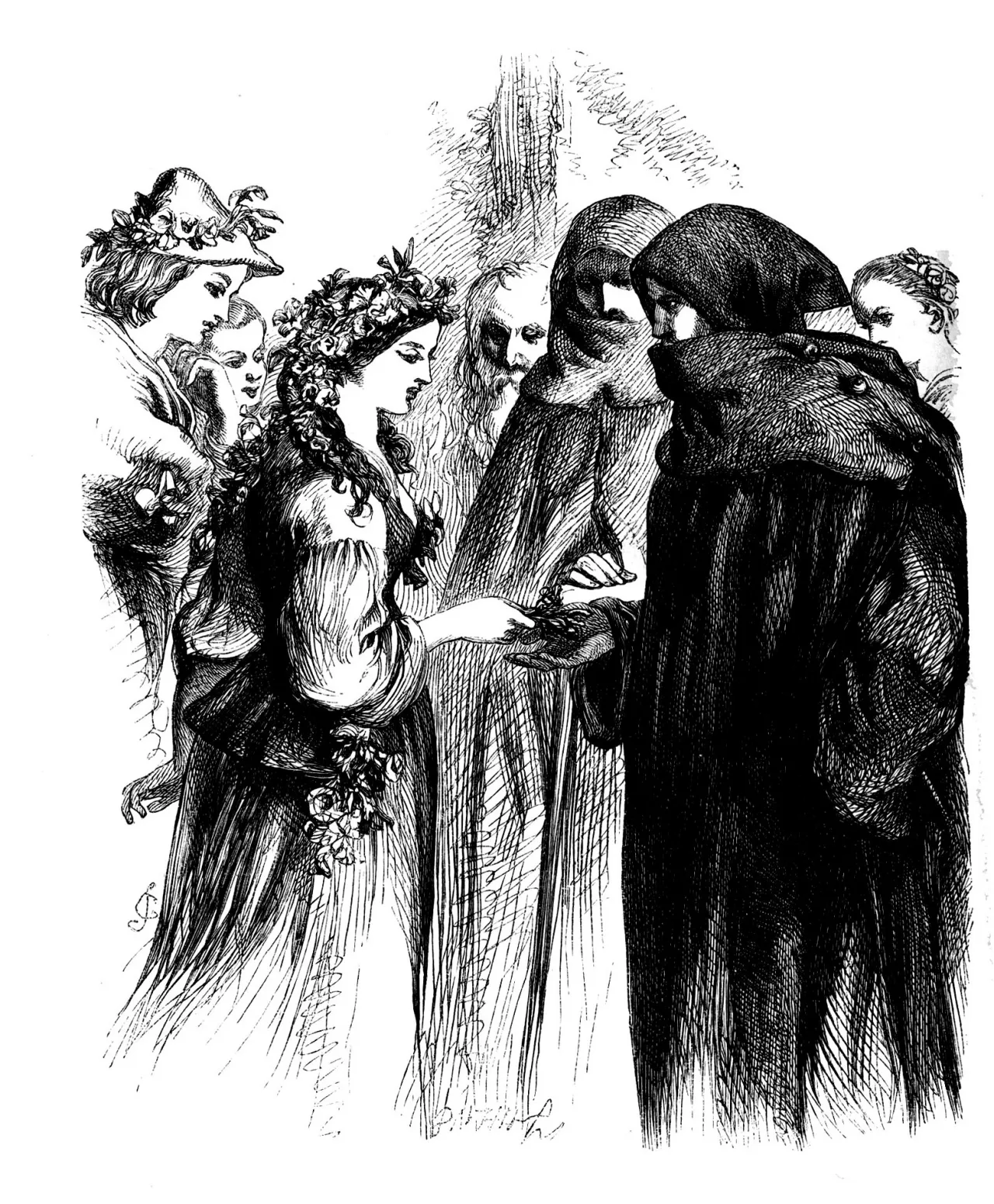
Polixenes, still in his disguise, asks Florizell, his own son, about the romance between Florizell and Perdita. This is following a short aside where Polixenes says, “Tis time to part them.” He asks Florizell about showering Perdita with gifts, but Florizell says she’s above such trifles. He then professes his love directly to Perdita, who doesn’t speak in response. Shakespeare leaves it all up to the actresses’ interpretation of the scene.
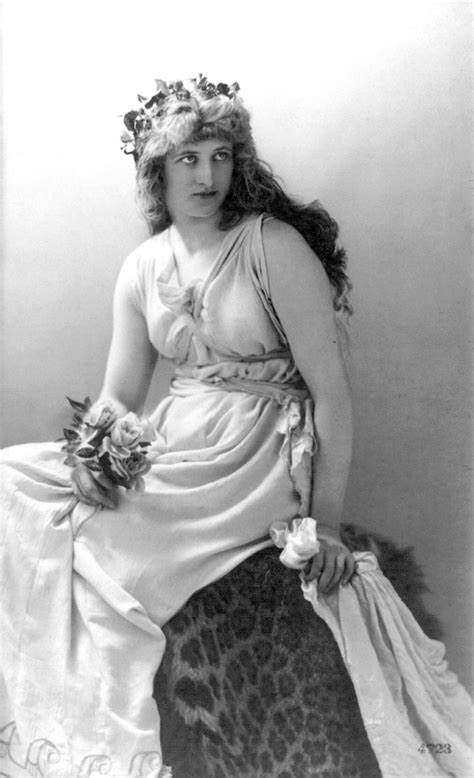
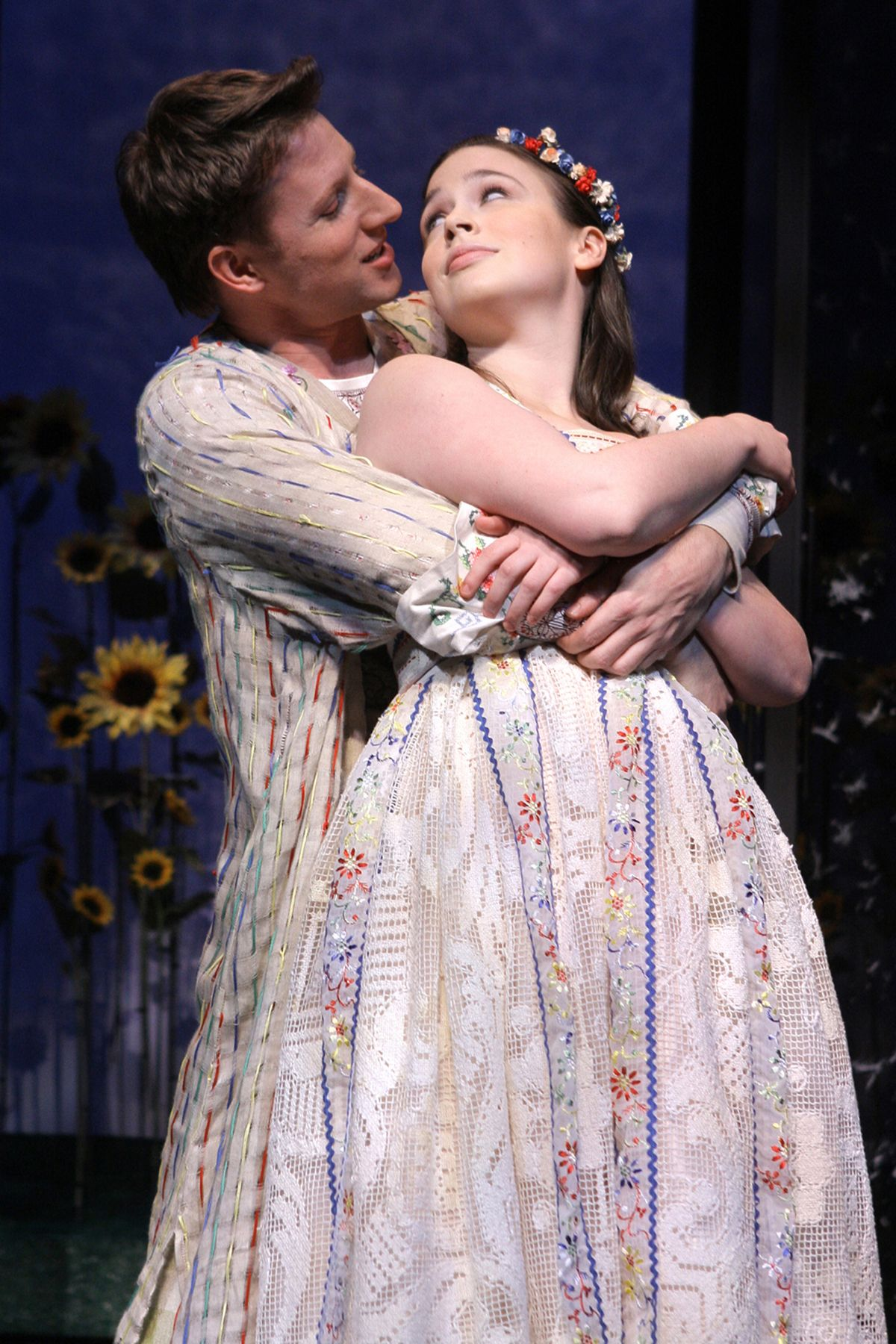
Polixenes asks Florizell to further profess. Florizell says that if he were to be crowned monarch (which he will be someday), it wouldn’t mean as much without Perdita. She finally pipes up, only to say “I cannot speak so well.” The shepherd promises to combine his own humble fortune with whichever family she marries into. Polixenes asks Florizell what his father thinks of the romance, and Florizell says his father doesn’t know and will never know about it. Uh-oh.
Polixenes asks Florizell if this father of his is infirm or bedridden, and Florizell says no. Polixenes then makes his case about the importance of a father being present at his son’s wedding. Florizell says he has his own reasons. Polixenes is insistent, telling Florizell over and over to tell his father the truth, and Florizell keeps refusing. Finally, the whole scene shifts as Polixenes removes his disguise and says, “Mark your divorce, young sir, whom son I dare not call.”
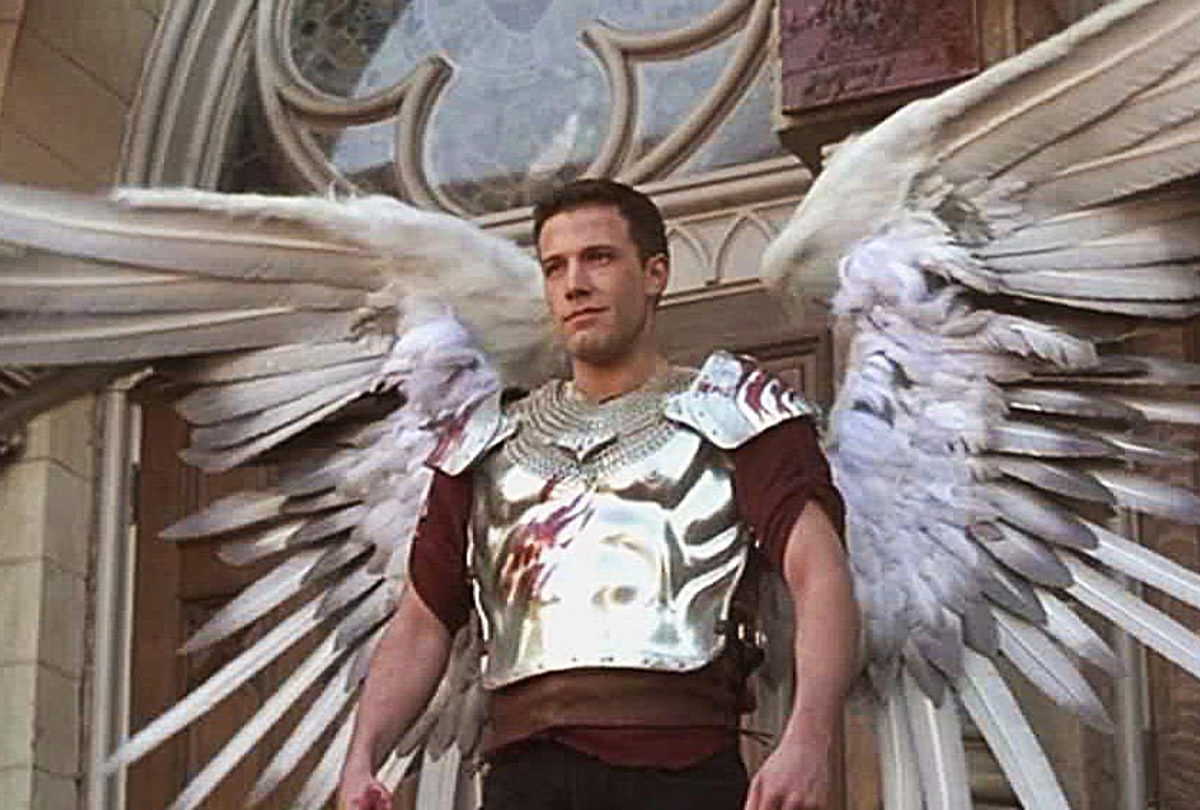
Whoa, drama! But how is this to be staged? Based on my research, this disguise is usually a fake beard and/or a wig. In an epic fantasy retelling, this could be all sorts of magical transformations. Throughout these blogs, I’ve been imagining a wild version where the Sicilians are demonic types and the Bohemians are angelic types. In this version that exists only in my head, here’s where Polixenes could bust out the big angel wings from his back. (I don’t know where I’m going with this.)
Next: The hammer falls.
* * * *
Want more? Check out my ongoing serial, THE SUBTERKNIGHTS, on Kindle Vella. A man searches for his missing sister in a sprawling city full of far-out tech, strange creatures, and secret magic. It’s a sci-fi/fantasy hybrid full of action, romance, mystery, and laughs. The first ten episodes are FREE! Click here for a list of all my books and serials.



 macmcentire