
Re-reading Shakespeare’s The Winter’s Tale! Why is act 4 scene 4 so long, like its own play with its own beginning, middle, or end? I dare not describe the great William Shakespeare of being overly wordy, but here we have the characters belaboring a point.

After being rejected by his father, Florizell has decided that he and Perdita will run away, with neither of them knowing that Perdita is the Sicilian king’s long-lost daughter. Camillo sees this as his chance to return home to Sicilia as well. All this has been set up in the dialogue, but Camillo and Florizell keep conversing for a few more pages. I imagine this bit gets cut from a lot of live performances, but let’s see if there’s anything noteworthy.

Camillo asks Florizell what Polixenes the king thinks of him. Florizell says the king’s praise of Camillo is like music. Camillo swears similar loyalty to Florizell, saying he knows a place where he and Perdita could be happy. Florizell says he will go wherever the wind takes him. Googling the origins of that idiom has been inconclusive, so it’s likely Shakespeare didn’t invent it. I’m more interested in the question of where Florizell wants to run to. I’d thought it was a given at this point that they’re fleeing to Sicilia, but it looks like Shakespeare wants to take some time to emphasize that choice.

It’s now that Camillo suggests the young lovers flee to Sicilia. He describes Perdita as a princess and he says that Leontes the king will welcome them with great generosity. So, has Camillo figured out who Perdita really is? It seems that way, but later in the play there’s a whole scene where Autolycus (the king of thieves!) is the one who puts the pieces together. I suppose this is one of those things where directors and actors can play it multiple ways.
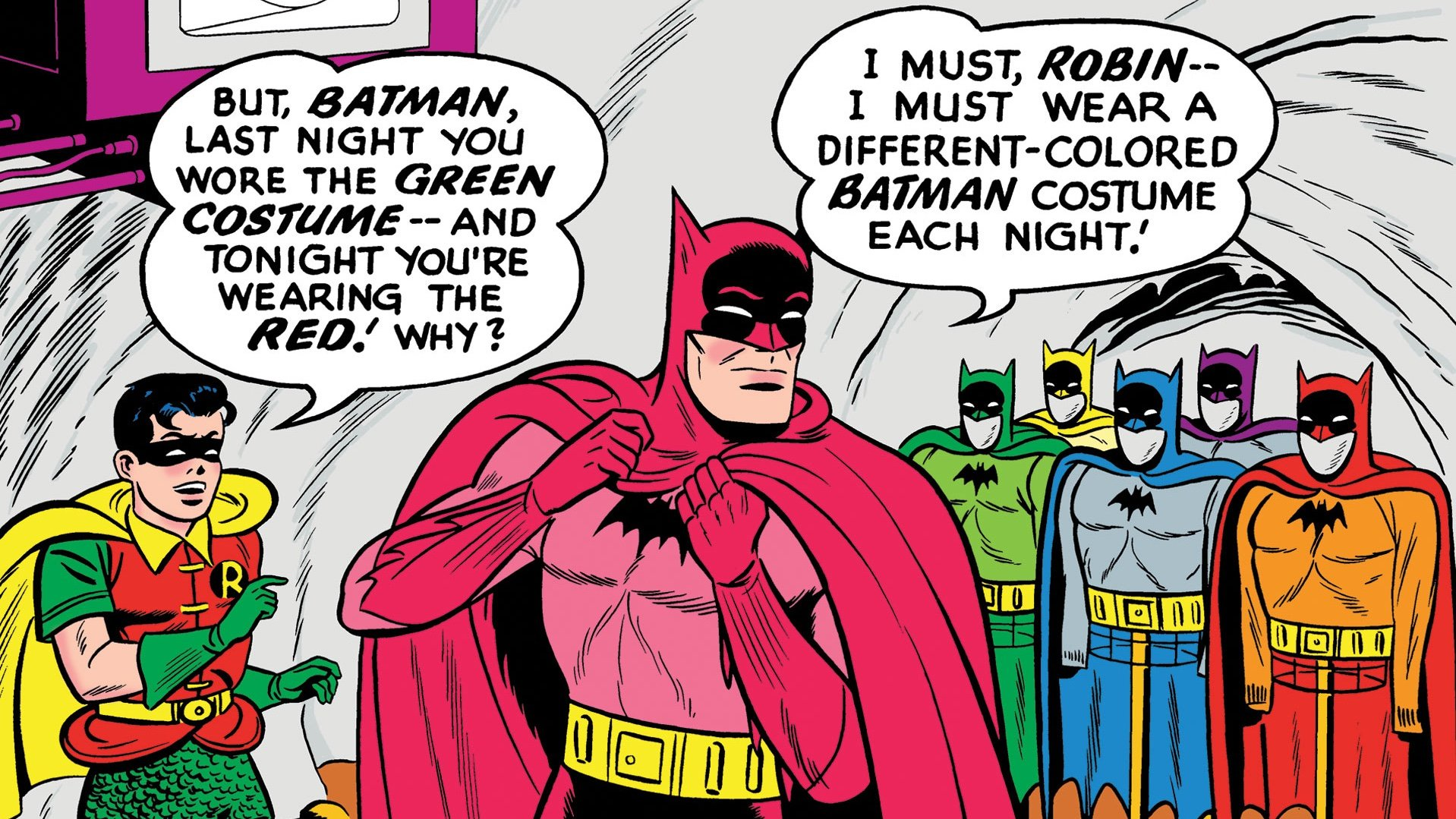
Florizell asks what color he should show Leontes upon meeting him. I assumed this meant a flag or banner of some kind, but my books’ footnotes state that “color” in this context means how he should behave upon meeting Leontes. Camillo promises to tell him all the rights things to say. I question why a pair of young lovers on the run would even have an audience with the king. Maybe the division between the two countries is so great that anyone entering Sicilia from Bohemia is noteworthy to the Bohemian king, no matter who they are.

Florizell says, “There’s some sap in this,” with “sap” meaning vitality and exuberance, not something sticky. Camillo again promises that this will be better than following an unknown path to unfamiliar lands, which he says will end only in miseries. Perdita speaks up, so I guess she’s been present and listening to all this. Camillo says Camillo says the abundance available in Sicilia will be good for the complexion. Perdita says affliction in foreign lands might enhance one’s complexion, but not their mind. It’s unclear, but I think the idea is that Perdita is saying she’ll remain strong, and even youthful and beautiful, if she must endure hardships in the wilderness.

Camillo praises Perdita, saying her father will never have a daughter like her again. In context, this means her adopted father the shepherd, in that this princess-like girl grew up in a humble farming community, but we the audience know this is double-speak regarding Leontes, and all the drama at the start of the play that led Perdita to this point. Florizell says he’s standing on thorns, meaning that he’s feeling anxious and wants to move quickly. Camillo again promises them everything will be all right once they get to Bohemia, because he has “some fortunes” still there. This could mean either physical money, or his own political standing with Leontes.

What to make of this section of the play? It’s a lot of dialogue just to say, “Let’s go to Sicilia.” It all depends on how you’re going to play Camillo as a character. He is defined by his loyalty to Leontes, but that loyalty only goes so far when it buts up against his own personal morality. Remember that he’s the one who refused to kill in the name of the king. Now we see him acting somewhat duplicitous in convincing the lovers to go to Sicilia because that will help him in the long run. However, you could argue that he sees this will help not just him but everyone in the bigger picture — including the troubled Leontes. To make this part of the scene work, the director and actors must dig deep into Camillo’s motivations.

The three characters step to one side of the stage to talk some more, and it’s time to have some fun again.
Next: The clothes make the man.
* * * *
Want more? Check out my ongoing serial, THE SUBTERKNIGHTS, on Kindle Vella. A man searches for his missing sister in a sprawling city full of far-out tech, strange creatures, and secret magic. It’s a sci-fi/fantasy hybrid full of action, romance, mystery, and laughs. The first ten episodes are FREE! Click here for a list of all my books and serials.



 macmcentire