
Reading Shakespeare’s The Winter’s Tale! This last part of act 5, scene 1 is only two pages in my Folger edition, but it’s loaded with tons of important character and plot information. One might conclude that these two pages are everything the play is about. Let’s roll up our sleeves and get into it.
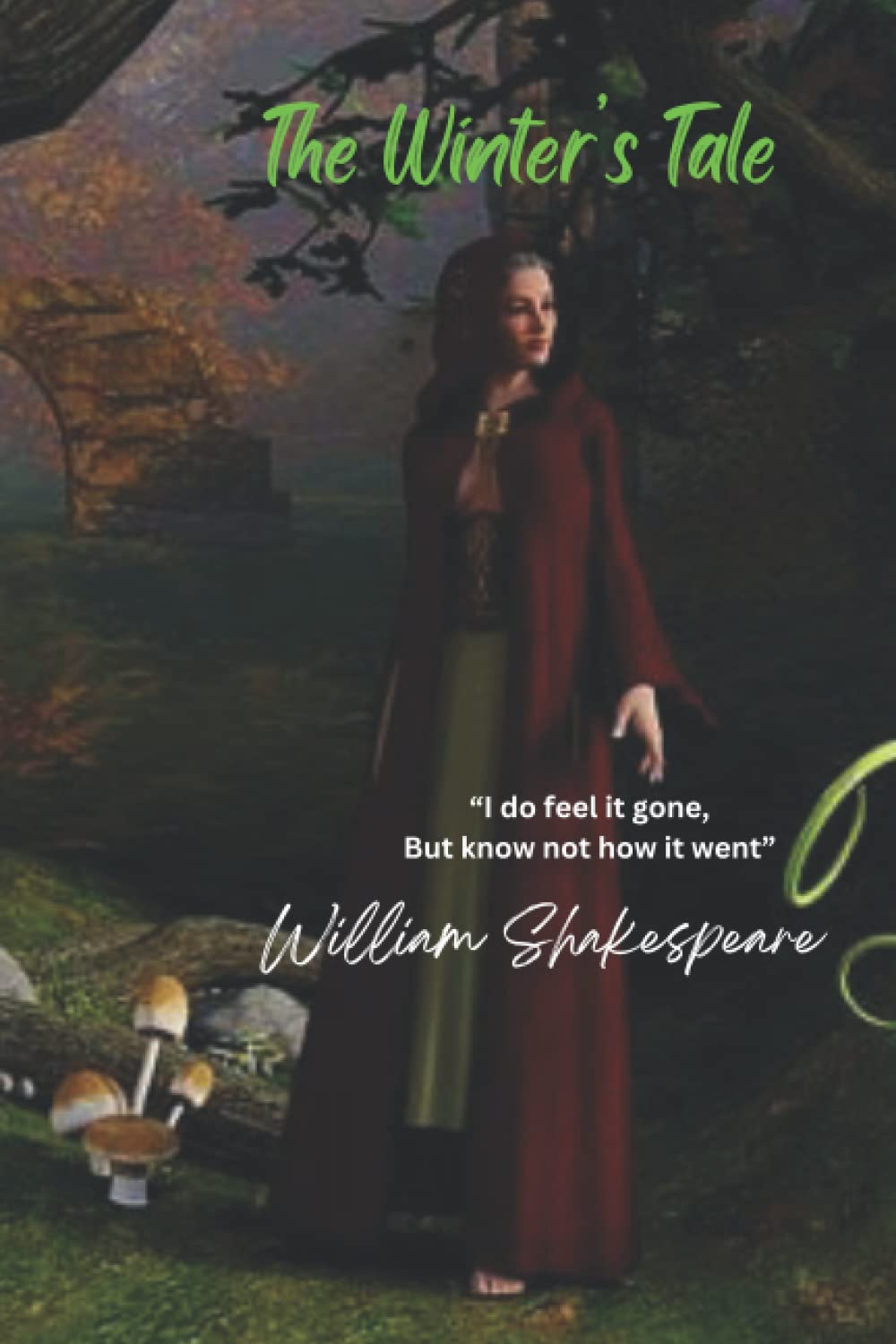
A lord enters and tells Leontes that Polixenes has entered Sicilia, and that Polixenes’ son has lost his dignity after running off with a shepherd girl. Keep in mind that son, Florizell, is standing right there, after having been warmly welcomed by Leontes. This could be played either comedically, in a classic farce kind of way, or it could be played deadly serious, as this reveal cranks up the tension.
The lord further states that Polixenes, in his chase, ran into the shepherd and the shepherd’s son, also on their way to Sicilia. Why don’t we see this meeting, and the circumstances of how it came about? I suppose that the story doesn’t need these details as it races toward the finale. Also, these lines from the lord character are a lot of fun, in how he’s so amazed that all this is actually happening and how he’s in the middle of it all. An actor could have a lot of fun with this.

Florizell exclaims that Camillo betrayed him to Polixenes. This isn’t marked as an aside, so we’ve got assume that Florizell knows he’s exposed to everyone. The lord says the shepherd and his son are “poor men” and “wretches” who collapsed upon arriving in Sicilia. There’s a weird line where the lord says Polixenes threatened the shepherd and son with “divers death upon death.” My Pelican edition states that this phrase means torture, and that “divers” means “diverse,” but part of me is excited with the idea of Polixenes threatening the men with some sort of deep-sea execution.

Perdita, who you’ll remember is also still on stage, cries out in response to this for her adopted father. She fears that “heaven” sent spies to follow the shepherd. Once again, I imagine a far-out epic fantasy version of The Winter’s Tale in which the Sicilians are Hell/devil types and the Bohemians are Heaven/angelic types. I think it could work, you guys!

Leontes demands to know if Florizell and Perdita have married yet. Florizell says no, followed by another curious line. He says, “the odds for highs and lows alike.” The idea is that the opportunities for love and happiness can be the same for folks of both high status and low status. That’s a very Shakespeare-ish notion, a key to Florizell as a romantic character, and maybe – just maybe – the overall mission statement of The Winter’s Tale as a whole. (The eye of the duck, as it were).
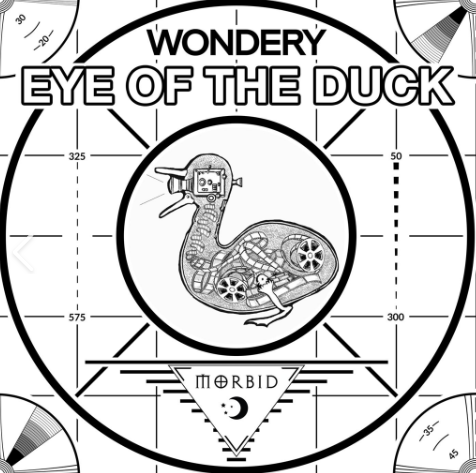
Leontes seems to empathize with Florizell, in how he disappointed his father while also loved his beautiful young bride to be. Florizell tells Perdita that while Fortune might be an enemy constantly chasing them, Fortune has no power to change their lives. All my books capitalize “Fortune,” so I can only conclude that Shakespeare did too. Time for more mythology stuff: The Greek goddess Fortuna, more commonly known as Tyche, was considered the personification of luck, both good and bad, although folks in ancient times tended to look on her for good luck. Some believe she’s the inspiration for the Wheel of Fortune card in the tarot, and others believe she inspired the American symbol of blind justice (you know the image I mean). The interesting part is that while Fortuna seems to be a positive figure overall, Florizell describes her as a villain. I don’t know how much of this can be brought into a performance or adaptation of the play, but it’s some interesting color.
Florizell encourages Leontes to remember his own romantic youth. He tells Leontes that his father will grant precious things as trifles. Leontes says Florizell’s “precious trifle” Florizell also calls Perdita his precious trifle. None of my books have footnotes for this exchange, so I’m on my own here. The classic definition of trifle is that of something small. Googling, however, shows that “trifle” refers to English desserts, usually sponge cakes with fruit, whipped cream, jelly, and sometimes chocolate, vanilla, or custard. In other words, something very, very sweet. Sounds like everyone’s praise for Perdita to me.

Paulina, who has also been on stage all this time, compares Perdita to the long-lost Hermoine, speaking directly to Leontes’ wishes. She says Perdita is worth more such gazes as Leontes gave to Hermoine. A lot of Shakespeare’s writing is about celebrating and romanticizing youth, and this is more of that (but hopefully not in a creepy way). Leontes says he sees something familiar in Perdita, and he says to Florizell that he will speak to his father. He says that Florizell’s honor is not “overthrown” by his desire. I’ll assume “desire” means love or romance in this context.
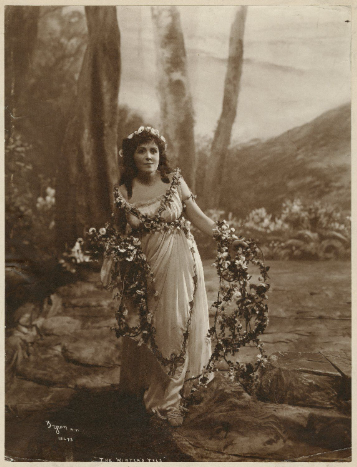
Leontes encourages Florizell and Perdita to follow him as he speaks to Florizell’s father the king. Leontes says Florizell’s honor is not undone by his desires. He promises to be a friend to Florizell as he approaches Florizell’s father. He says, “mark what way I make.” My books’ footnotes say this means Leontes intends to remove all obstacles in the way of Florizell and Perdira’s love.
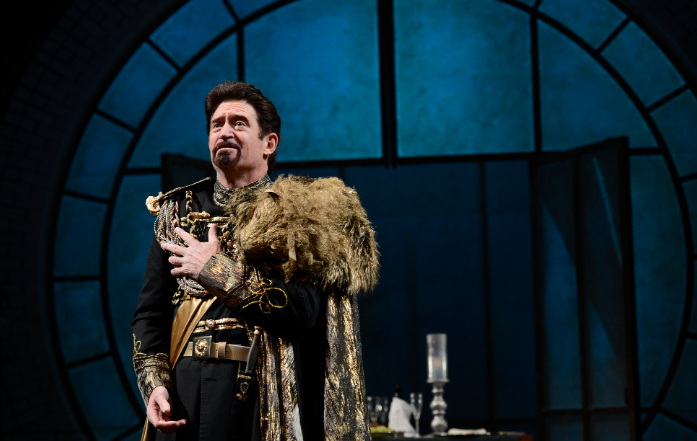
This raises a much bigger question of the play in general. We’ve spent the first three acts of this play with Leontes as a bad person, driven by speculation and jealousy. He appears to have turned a corner and is a better person now. But that’s a lot to ask of the audience. This the big question raised by The Winter’s Tale, which is can people change? Leontes was a horrible person who did horrible things that wrecked the course of many peoples’ lives. Can someone like that truly make a turn and set things right again? Shakespeare doesn’t have that answer, which means I certainly don’t.
The good news is that the play isn’t over yet. Let’s see where it goes.
Next: Getting caught up.
* * * *
Want more? Check out my novel MOM, I’M BULLETPROOF. It’s a comedic/romantic/dramatic superhero epic! https://www.amazon.com/dp/B08XPXBK14.



 macmcentire