Reading Shakespeare’s The Winter’s Tale – Act 4 Scene 3

Re-reading Shakespeare’s The Winter’s Tale! In act 4 scene 3, we meet… the king of thieves!
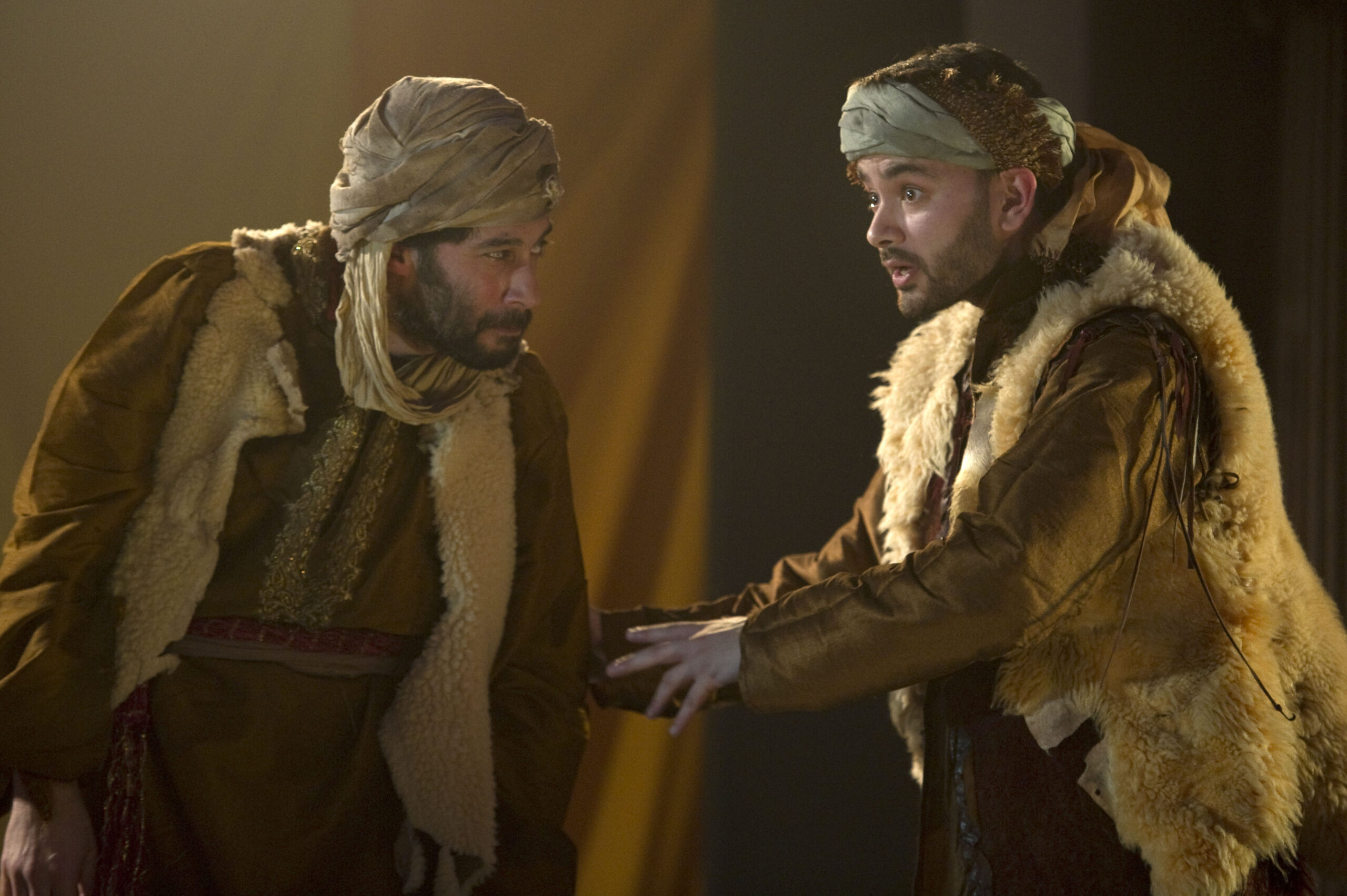
The previous scene established that we’re in Bohemia know, caught us up on some characters, and set up some plot. And now Autolycus struts out on stage. Who is this? The character is described as a rogue in the text, with the Folger footnotes calling him a con man. The Winter’s Tale is a fantasy play, and Autolycus brings the magic simply because he’s a figure from mythology, a demigod even. Ovid’s Metamorphosis, allegedly one of William Shakespeare’s favorite books from his childhood, has a lengthy description of Autolycus as the son of Mercury a.k.a. Hermes. Autolycus is described is having Mercury’s great speed, but also able to cast illusions and make people see whatever he wants them to see. This made him the greatest of all thieves. The king of thieves, you might say.

The king of thieves!

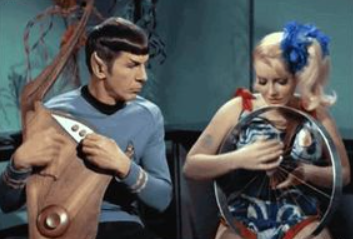
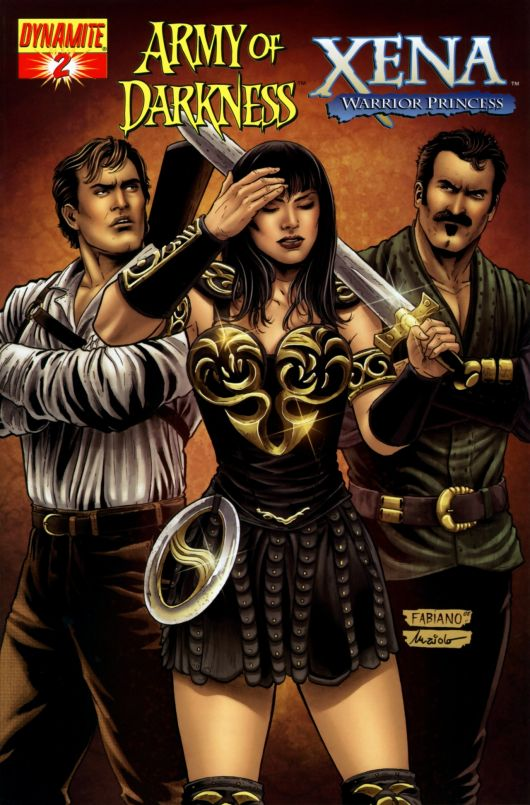
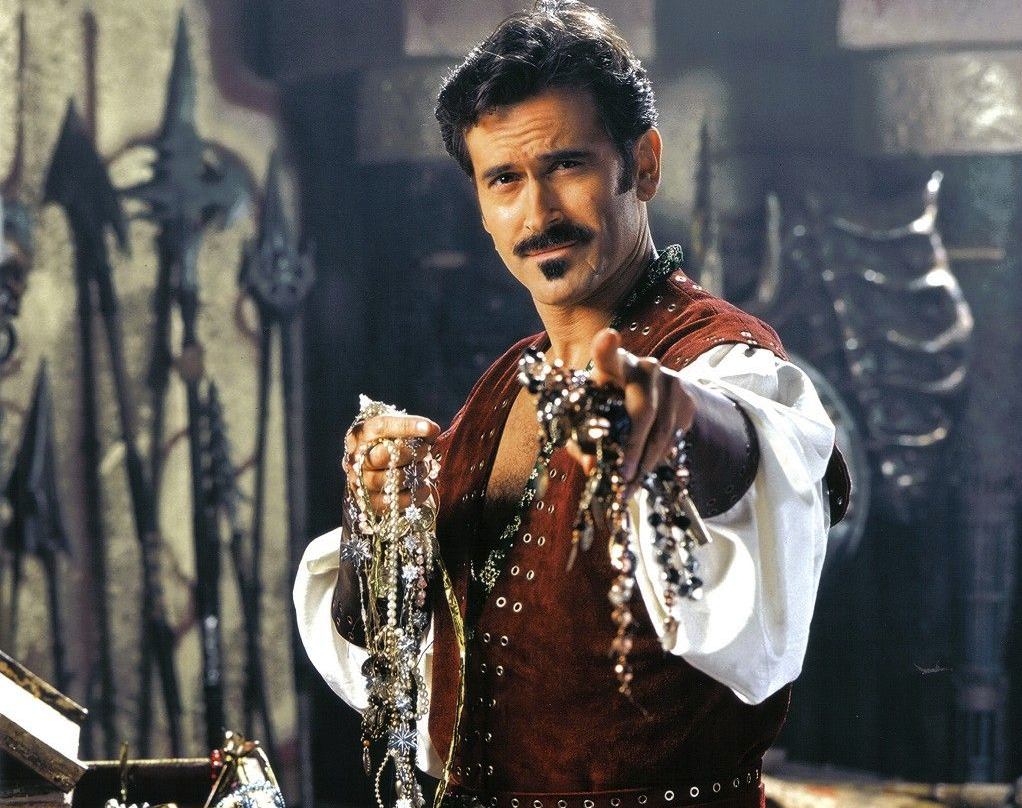
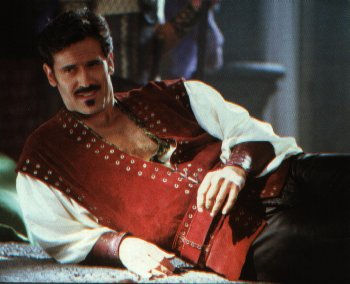
Who am I kidding? You already know all about Autolycus because you’ve seen Xena: Warrior Princess. So, let’s go there! The Xena version of Autolycus, played by the great Bruce Cambell, is often a buffoon, making it up as he goes along. But at other times, he can walk the walk with cool moves and lots of James Bond-like gadgets. At the end of the day, Autolycus is one of the show’s heroes. He has a heart of gold when it comes down it, and he famously refuses to kill. The crossover with The Winter’s Tale is that both versions have a lot of clever wordplay and a sense of being unpredictable. For many years, Bruce Campbell has been a supporter of the big Shakespeare shows up in Portland, so he must be familiar with Shakespeare’s Autolycus.
The king of thieves!

Getting back to The Winter’s Tale, Autolycus enters with a song. Like Shakespeare’s rhyming dialogue, everyone has their opinion about how songs in these plays are supposed to be performed. Rather than debate about it, I say leave it up to each actor and director to figure it out for themselves. Autolycus’ song is about winter turning to spring, and how, in a roundabout way, this whets his appetite to commit thievery. He jokes about spending time with his aunts during springtime, and the Folger edition footnotes state that “aunts” in this context means sex workers. I’d love to know how the fine folks at Folger reached that conclusion.

The king of thieves!

Autolycus says he was formerly a servant of Florizell. He says his business is “in sheets.” By all accounts, this is impossibly not a double entendre, but him having recently been in the business of buying and trading linens of all kinds. But then he talks more about how “the silly cheat” is his real revenue, and how is goal is to avoid the stocks. (Not to get caught, in other words.) Autolycus also mentions his father, and says he was born under Mercury, as in the astrological sign and not the god. But I’d still consider this a shout-out to Ovid’s version.
The king of thieves!

The shepherd’s son returns to the scene, rattling off what’s basically a long grocery list of stuff his family wants him to get for an upcoming sheep-shearing fest. It’s a lot of twisty-turny wordplay, making the son quite a fool. (Remember that the Pelican edition names this character “the clown.”) There’s a mention of his sister, which we the audience know as Perdita. One big question here is, if it’s sixteen years later, how are portraying this character now? Are there ways to get this across with costuming and makeup? Was he a played by a kid in his earlier scene? Is he the shepherd’s adult son, and we’re trusting the audience to accept that time has passed? Despite the time passage, he acts like the same character as before, so maybe not a lot of change is needed.  

The king of thieves!

Autolycus watches him in secret, making an insult that I don’t dare repeat here, and then he approaches the son, pretending to be a man who has just been injured in a robbery. Autolycus steals the son’s money. The stage direction tells us he does that, but not how. It’s up to each production. Unaware that he’s being robbed, the son offers to give Autolycus some of his money, but Autolycus makes a big deal about being so honorable that he doesn’t take any – even though he already has.

The king of thieves!

Autolycus tells the son that he was robbed by a man named… Autolycus! In doing so, he lays out his own backstory. Florizell threw him out of the court because of his vices. He then worked as a process server (which is apparently much the same thing as it is today), he was an ape trainer (!) and he put on a “motion,” meaning a puppet show, about the Prodigal Son. He even says that Autolycus is the one who put him in his clothes, which I suppose is true.

The king of thieves!

Autolycus also says he once went about with “troll-my-dames.” This is a reference to a board game better known as Troll Madam, or Pidgeon Hole. It’s pretty simple. There’s a board with holes along the bottom. Different holes have different point values, and players compete to flick marbles through the holes. The joke here is that the game is seen as something childish and frivolous, and not something you’d play at the prince’s court. A double meaning, however, could mean this refers to Autolycus’ womanizing ways, also frowned upon at court.

The king of thieves!

Autolycus miraculously recovers from his injuries, and the son wishes him well. All alone, Autolycus tells the audience that he will go to the sheep-shearing content, except that all the rubes there will be his “sheep” to steal from. He gives us one final verse from his song, about coming to a fence on a long journey, only to hop over it and keep going.

Next: Perdita’s deets.

* * * *

Want more? Check out my ongoing serial, THE SUBTERKNIGHTS, on Kindle Vella. A man searches for his missing sister in a sprawling city full of far-out tech, strange creatures, and secret magic. It’s a sci-fi/fantasy hybrid full of action, romance, mystery, and laughs. The first ten episodes are FREE! Click here for a list of all my books and serials.
Posted in Shakespeare's The Winter's Tale | Tagged | Leave a comment

Fantastic Friday: Universal remote

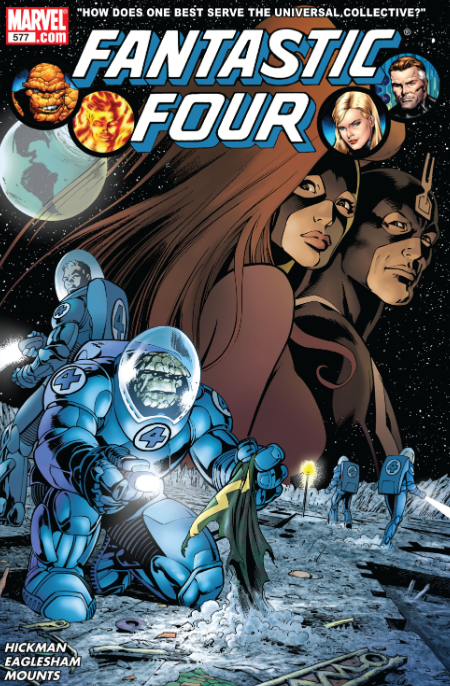
Reading the Fantastic Four comics from the start. Issue #577 gives us some classic mayhem on the moon. Except by “mayhem” I mean “lots of standing around and talking.”

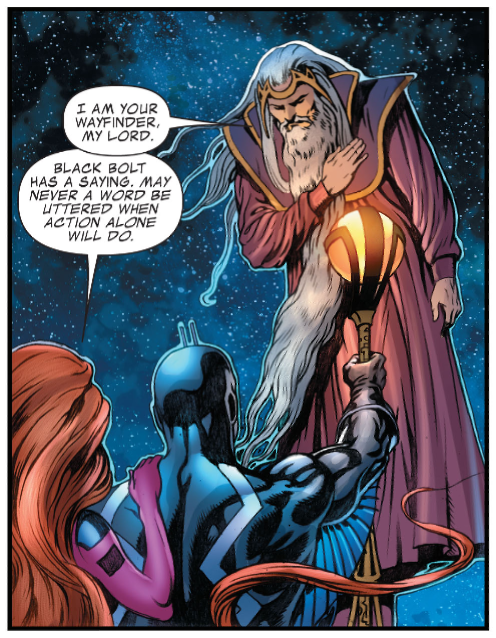
We begin with the Inhuman royal family arriving at the Blue Area of the moon. Medusa says, “It’s time,” and she explains that “the gathering” draws near, and a wizard-looking Inhuman has been chosen as a wayfinder. Medusa says, “This is a summoning,” and then the Inhumans’ city seems to lift off like a giant ship. The wayfinder waits on that spot for six months. Then the Watcher appears, and another giant ship appears flying over the moon.

At the new Baxter Building, Reed and the FF watch this happen, saying that the ship has landed and that they should get there before anyone else does. The FF take off in their rocket, with references to the original spaceflight that gave them their powers. Cut to the moon, where the FF search for an entrance to the ship. They meet the wayfinder, who introduces himself as Dal Damoc, acting as proxy leader of the Inhumans while Black Bolt is away from the solar system. He tells the FF, “Welcome to the Universal City.”

Sue goes into science mode, deducing that the city is a “perpetual motion planar construct that doesn’t require constant thought.” Sure, if you say so. Dal Damoc leads everyone inside. The place appears abandoned, and Damoc explains that the city was created by four races who became one, a new monoculture, or universal collective. Apparently, all the people of this civilization just became part of the city, as Damoc points out a doorway that used to be a politician.

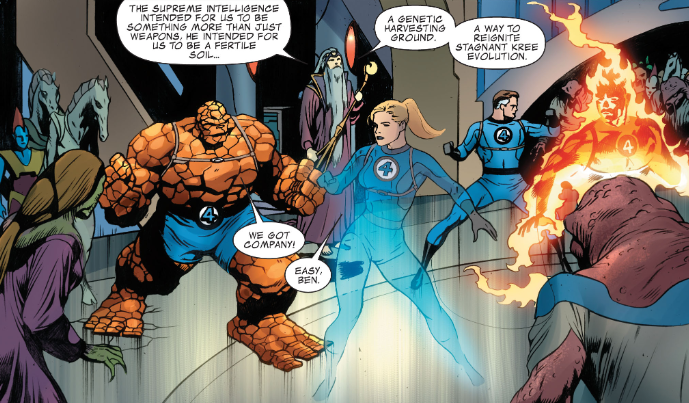
Then there’s a lot of confusing talk about the origin of the Inhumans, with them being experimented on by the Kree aliens. Then Damoc says five other species were experimented on as well. He says the Kree’s Supreme Intelligence had secret plans involving the long view of the Kree. Then there’s talk of a catalyst, like the Terrigen mists that later gave the Inhumans their powers. Whereas the Inhumans had terrigensis, the other species had isogenesis, amphogenesis, antigenesis, and exogenesis. Damoc says this is a “genetic harvesting ground,” which will reignite the Kree’s evolution.

A bunch of aliens appear surrounding the FF, but Damoc keeps talking. He says Black Bolt and the rest of the Inhumans traveled to Hala, the Kree homeworld, not to save the Kree but to crush them. Damoc takes the FF into a chamber full of aliens he calls “the Universal Inhumans.” The aliens are the Centurians, the Moord Badoon, the Kymellians, and the Dire Wraiths. Damoc says Black Bolt and Earth’s humans will rejoin them soon.

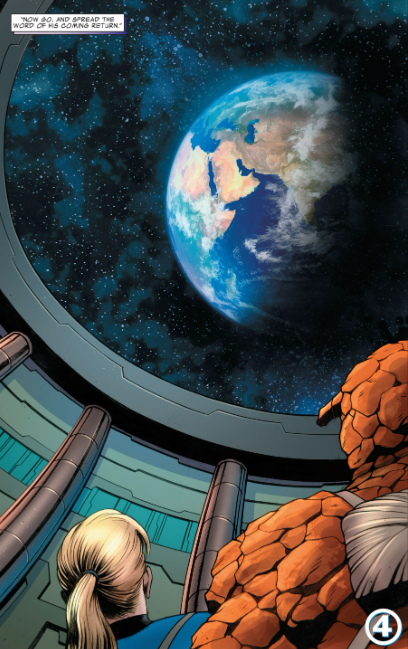
The aliens have gathered to establish a holy land, New Hala. Reed asks if this New Hala will be located on the blue area of the moon. Damoc says, “Someplace better,” and all the aliens point upward at the Earth.

Then the issue ends with another of these text pages, filling in more information. It lists how many thousands of each alien are in the Universal City, including 726 prisoners. Then there’s a bunch of business about the Light Brigade, a group of six elite Inhuman warriors. The Light Brigade must survive a series of trials to prove their worthiness, and none have survived.

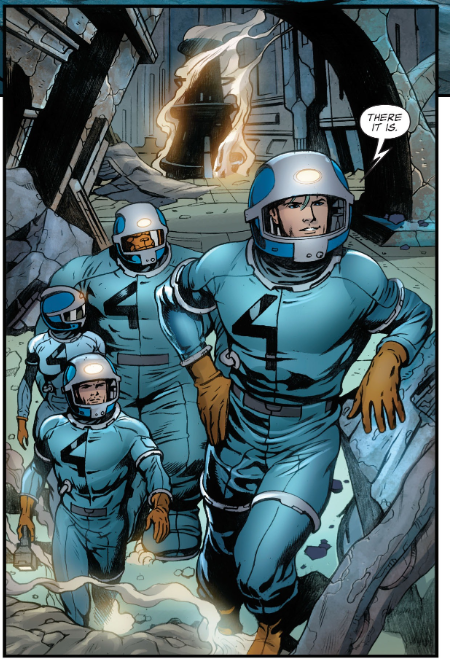
Unstable molecule: Reed’s rocket takes off from the corner of the new Baxter Building, just like it did in the original. Reed also has cool-looking new spacesuits designed for the team.


Fade out: Damoc gets a little flirty with Sue, asking why a woman such as her would ever let her feet touch the ground. She responds by making herself hover in the air with her force fields.

Clobberin’ time: While the FF have their mission briefing, Ben amuses himself by reading a TV Guide.

Flame on: When Reed deduces tens of thousands of heat signatures within the alien city, Johnny uses his powers to sense that there are even more.

Fantastic fifth wheel: Medusa is back among the Inhumans, in her usual role of speaking on Black Bolt’s behalf.

Sue-per spy: The 2019 Invisible Woman miniseries revealed that Sue had a double life as a S.H.I.E.L.D. agent all along. Is Sue’s instant analysis of the alien city a result of her being married to Reed, or is this her spy training at work?

Trivia time: The four alien species are revved-up versions of previously existing Marvel alien species. The Centaurians are originally from Centauri-IV, the home of Yondu from Guardians of the Galaxy. The Dire Wraiths were the main villains from Rom: Spaceknight. The Krymellians are the kindly horse-like aliens from Power Pack. The Badoon, whose home planet is Moord, are often allies and/or henchmen for Thanos.

Fantastic or frightful? The FF travel to space, only to stand around for a lot of techno-gobbledygook dialogue. Looks like writer Jonathan Hickman is going to start tying things from this and previous issues together starting next issue, so I’m interested in seeing what he’s up to. Heaven help anyone who reads this as their first-ever Fantastic Four comic, though.

Next: Connecting the dots.

* * * *

Want more? Check out my ongoing serial, THE SUBTERKNIGHTS, on Kindle Vella. A man searches for his missing sister in a sprawling city full of far-out tech, strange creatures, and secret magic. It’s a sci-fi/fantasy hybrid full of action, romance, mystery, and laughs. The first ten episodes are FREE! Click here for a list of all my books and serials.
Posted in Fantastic Friday | Tagged , , | Leave a comment

Reading Shakespeare’s The Winter’s Tale – Act 4 Scene 2

Re-reading Shakespeare’s The Winter’s Tale! It’s a whole new play in a new locale for act 4 scene 2. Welcome to Bohemia!

This scene begins with Polixenes, the king of Bohemia, and Camillo, a former Sicilian lord. Polixenes says he cannot grant Camillo’s request, that it would be like sickness or even death to do so. Camillo says it’s been fifteen years since he’d been home, and that Leontes, who he describes as “the penitent king,” has requested he return. It’s at this point we must stop and recap Camillo’s deal. He’s the guy that Leontes wanted to murder Polixenes. When Camillo denied Leontes and told Polixenes of the plan, Camillo fled Sicilia along with the rest of the Sicilians. Now we’ve caught up to him.

What kind of rhapsody?

Polixenes says Camillo can’t leave, not because of anything Leontes said or did, but because Camillo has made himself so valuable to Polixenes over the years. We’re in comedy mode now, and Polixenes launches into a long list of Camillo’s good qualities and everything he’s accomplished. It’s a long speech of twisty-turny who’s-on-first wordplay. I imagine a comedy bit where Polixenes says all this while Camillo tries to follow along, only to get befuddled.

Very Shakespearian.

Polixenes changes the subject and asks where his son Florizell is. Camillo says Florizel seems happy, but he hasn’t been around the court to attend to any of his princely duties. Polixenes admits he’s had people spying on Florizell (helicopter parenting!), and that the boy has been hanging out around a lowly shepherd’s house. Except not so lowly, because the shepherd experienced a financial windfall and is better off than his neighbors. We the audience know this is the shepherd we met earlier, who got the bag of gold along with the abandoned baby Perdita.

Helicopter parents.

Camillo confirms this by saying he has also heard of this shepherd, and that the man’s daughter is “of most rare note.” He says the girl has become well known far beyond the simple farm cottage and its neighbors. Polixenes concludes that this girl is why his son has spent so much time near the cottage. Polixenes says he and Camillo will don disguises and investigate. Camillo says, “I willingly obey your command,” showing he’s already changed his mind about wanting to go back to Sicilia.

Cottage living.

That’s the scene, some plot setup and a few jokes. The big deal is that we’re fully in another location now, a whole other country from Leontes’ court. So how to get that across on stage? Changes in costumes, lighting, and probably scenery are the most obvious ways. There’s also a change in attitude. Polixenes’ jokey nature recalls our other Sicilian Archidamus seeming laid back and romantic earlier. So far, they truly do seem what we think of as “Bohemian” in this way.

So very Bohemian!

Next: The king of thieves!

* * * *

Want more? Check out my ongoing serial, THE SUBTERKNIGHTS, on Kindle Vella. A man searches for his missing sister in a sprawling city full of far-out tech, strange creatures, and secret magic. It’s a sci-fi/fantasy hybrid full of action, romance, mystery, and laughs. The first ten episodes are FREE! Click here for a list of all my books and serials.

Posted in Shakespeare's The Winter's Tale | Tagged | Leave a comment

Fantastic Friday: Ice to meet you

Reading the Fantastic Four comics from the start. We’re going underwater for a soaking wet slugfest in issue #575.  

We begin with Sue giving a slideshow (Powerpoint?) presentation about an isolated Antarctic base which is located over a massive body of water that may have undiscovered life forms within it. Recently, new scanning tech found a structure inside the water. We see Ben and Johnny bored with this conversation, when Reed enters and says, “Something’s come up.” After noticing a data leak from the site, Reed discovered A.I.M. (Advanced Idea Mechanics) had hacked the place. A.I.M. had been slant drilling into the water from five miles away, and are preparing to launch probes into it. Reed says the FF must get there first, and they don’t have the luxury of sending probes.

At the arctic base, the FF meet with Dr. Cal Cooley, who runs the place with help from the tech that the FF provided. Cal has prepared a sea pod for the FF, but he says it will difficult to break through the ice shield into the underground water. Turn the page and we see the pod smashing through the ice and the FF swimming out of it in deep sea gear. They swim around some exotic sea life, and then find the structure, looking like a bunch of crystals. A bunch of A.I.M. submarines arrive, and they battle the humanoid sea creatures who come from inside the structure. The FF fight back, smashing their way through the subs. This fight scene takes up almost the entire issue, told only through the art with no dialogue.

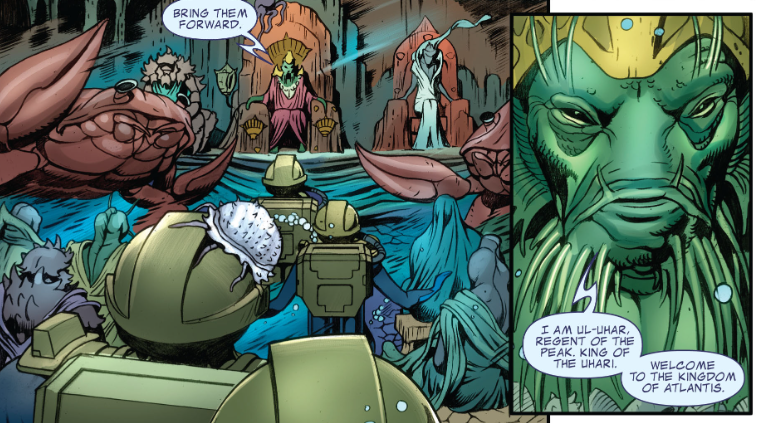
The sea creatures escort the FF into the structure, which is their city. Reed spots telepathic communication devices throughout the city. The creatures attach these devices to the FF’s dive helmets. They meet the city’s ruler, Ul-Uhar, who says he is regent of the king. Then he tells them, “Welcome to the kingdom of Atlantis.”

Reed says Atlantis was destroyed at the bottom of the sea, and Ul-Uhar says the entire sea is Atlantis. Ul-Uhar asks Reed what the difference is between him and the A.I.M. villains. Reed tries to explain that humanity is a collective and no one person speaks on behalf of the entire surface world. But then Sue volunteers to be that voice. Ul-Uhar names Sue the envoy and emissary of mankind. He tasks her with returning to the surface world with a message, “The old kings of Atlantis have returned.”

Then, just like last issue, it wraps up in a single text page, telling and not showing what happened next. We’re meant to call this city the Old Kingdom. Sue was given an apparatus allowing her to speak to the Old Kingdom whenever she needs to. Sue contacted Namor to set up a peaceful negotiation between him and the Old Kingdom, and that Namor has yet to respond. There’s also a bunch of world-building stuff about the different species and classes of the Old Kingdom, if anyone’s interested.

Unstable molecule: Reed is only partially aware of the situation in the Antarctic, never having met Cal or the specifics of what they’re doing in the base. Reed’s own Antarctic base, seen in vol. 3 #1, goes unmentioned.

Fade out/Clobberin’ time: Sue surrounds Ben with a force field and then throws him at one of the submarines. It yet another variation of the X-Men’s famous “fastball special” in which Colossus would throw Wolverine at an enemy.

Flame on: Johnny arrives in freezing cold Antarctica wearing only swim trunks adorned the flame pattern. Because the cold doesn’t bother him. He also wears this during the undersea fight, while everyone else is in their diving suits.

Foundational: We’ll see the Old Kingdom again, because that’s where the FF will recruit two more members of the Future Foundation. Additionally, this issue has two references to the super-intelligent Moloid kids living at the new Baxter Building now.

SUE-per spy: The 2019 Invisible Woman miniseries revealed that Sue had a double life as a S.H.I.E.L.D. agent all along. In this issue, we learn Sue has been working on this Antarctic project for the last four years, with the rest of the FF knowing little to nothing about it. Could she have been doing her spy missions during this time?

Trivia time: What’s this talk about Atlantis being in ruins at the bottom of the ocean? Atlantis was destroyed in Sub-Mariner #6, the final issue of that run. Following that issue, Namor joined the X-Men, finally living up to his title as “Marvel’s first mutant,” and he was living at the X-Men’s Utopia headquarters.

Fantastic or frightful? Having a mostly wordless issue recalls Marvel’s weird “Nuff Said” experiment from a few years earlier, and doing it only during the fighting and action was the smart way to go. I’m still baffled at this practice of wrapping up the plot with these text pages, which is awkward. So, this is a fun issue, but not remarkable. 

Next: Universal remote.

* * * *

Want more? Check out my ongoing serial, THE SUBTERKNIGHTS, on Kindle Vella. A man searches for his missing sister in a sprawling city full of far-out tech, strange creatures, and secret magic. It’s a sci-fi/fantasy hybrid full of action, romance, mystery, and laughs. The first ten episodes are FREE! Click here for a list of all my books and serials.

Posted in Fantastic Friday | Tagged , , | Leave a comment

Reading Shakespeare’s The Winter’s Tale – Act 4 Scene 1

Re-reading Shakespeare’s The Winter’s Tale! This play is of note among Shakespeare’s canon because of how different it is. Case in point is act 4 scene 1, in which Father Time suddenly walks onto the stage.

This scene is simple enough on the surface. It’d be easy enough to put up a title card that says “Sixteen years later,” but this is Shakespeare, so we’re kicking it up a bit. A character identified as “Time” comes on stage to discuss his nature, and then he tells us sixteen years has passed. He tells us we’re leaving Leontes behind (but not really) and entering Bohemia. He introduces to Polixenes’ son Florizell, and re-introduces us to Perdita, who has been raised by the Shepherd of the previous scene. That’s about it, but the scene still gives us a lot to deal with.

The scythe makes it creepy.

Many editions of the play name Time as the chorus. Lots of Shakespeare plays have a chorus acting as narrator. Everybody has a different idea as to what the chorus was and how it was played traditionally, and there’s even more modern interpretations – far too many to list here. Normally, it’s one actor making the chorus into a character. Sometimes you see the main cast take this narration role, with each actor doing a line at a time. I’ve never seen someone attempt this as the classic Greek chorus where everyone’s in big masks speaking in unison, but I’ll bet somebody’s done it somewhere.

When you google Greek chorus pics, the results are WILD.

But the Chorus in The Winter’s Tale is no mere chorus, it’s Time. This is certainly a choice. Time starts this speech by talking about the nature of his existence, saying he pleases and tries all. The footnotes say “try” means to test in this sense, but I don’t see why it can’t also mean that Time samples all things as well. Time further says that all laws, customs, and the “ancient’st order” are under his power. In other words, all laws and customs, no matter how strict, eventually answer to time. But Time is a kindly figure, asking the audience’s allowance as he feels his story pales in comparison to the present in which the audience lives.

The ancient’st order.

Shakespeare doesn’t use the phrase “Father Time,” although the footnotes in all my books do. We’ve all seen the images of Father Time, usually around New Year. It’s an old man, usually holding an hourglass or a clock, sometimes with wing (as in “time flies”) and sometimes with a scythe, crossing over with the Grim Reaper. Time in The Winter’s Tale mentions both wings and an hourglass, so the costumers can go nuts with costumes and props. When Time mentions Florizell and Perdita, it would be easy enough to have them appear on stage or on screen, so the audience identifies with them.

What if it was this Grim Reaper?

The origins of Father Time are murky, though they seem to come from Cronos, the Greek god of time. Cronos is more often associated with harvest time and autumn than with our modern-day New Year, but The Winter’s Tale productions often depict this part of the story transforming from winter to spring, so that works.  

Striped tights are always an option.

Are there other options to portray this character besides the classic Father Time or a generic narrator? If we’re going to put Pythia, a.k.a. the Oracle of Delphi, on stage as time, then maybe she could double as Time. Remember Archidamus, who we met in act 1 scene 1, who offered some exposition and never appeared again? What if he was Time all along? What about that unnamed Lord who followed Leontes around? What if he was Time? If we’re going huge with a far-out epic fantasy retelling, than Time could be any sort of otherworldly wizard, or creature, or god.

The possibilities are endless.

Also, this speech is written entirely in rhyme. Everybody has an opinion about how rhyming dialogue should be performed. A lot of drama teachers tell students not to make it sound like rhyme, to the point where word emphasis gets out of whack so all rhyming words are downplayed. Other actors and directors lean into the rhymes in the hopes of giving these lines a sing-song feel. If you ask me, there’s no right answer. The director and actor should sit down with the text and try a bunch of different approaches until they find what works for them.

Talk about rhyme with Dr. Seuss sometime.

Time ends the scene by promising not to make prophecy. He then leaves a blessing with the audience, telling them that if they never have a bad time, he hopes they never do.

Next: You can’t go home again.

* * * *

Want more? Check out my ongoing serial, THE SUBTERKNIGHTS, on Kindle Vella. A man searches for his missing sister in a sprawling city full of far-out tech, strange creatures, and secret magic. It’s a sci-fi/fantasy hybrid full of action, romance, mystery, and laughs. The first ten episodes are FREE! Click here for a list of all my books and serials.

Posted in Shakespeare's The Winter's Tale | Tagged | Leave a comment

Fantastic Friday: Head-ing underground

Reading the Fantastic Four comics from the start. It’s been a while since we’ve ventured into underground kingdoms, and that’s where issue #574 takes us.

We begin with a grisly scene in NYC, where a bunch of Moloids (the Mole Man’s henchmen, also known as subterraneans) climb out of the sewer. One of them gets hit by a truck. The others remove his head (!) and they enter the lobby of the new Baxter Building. Their mere presence sets off the alarm and the FF rush downstairs to confront them. The head, still alive, tells them to clear the lobby of civilians. Then a monster emerges from under the floor, carrying the Mole Man in his mouth (!). His says his underground kingdom is in peril and the Fantastic Four are his only hope.

In Reed’s lab, he deduces that the peril is a mere geothermal vent. The head argues that it’s only disguised as such, and that it’s an “ascension engine” left behind by the High Evolutionary. The Mole Man says the High Evolutionary built a whole city underground to do his mad science away from prying eyes. The H.E. evacuated the city when his creations de-evolved rather than evolved. The Moloids later found the city. The Mole Man says if the H.E. had stayed, the engine would have increased his genius even further. That’s what happened to the head. He and other Moloids like him gained intelligence, making them outcasts among other Moloids. The crisis, Mole Man says, is that the outcasts are planning to raise the city.

The heroes travel deep under the Earth in a flying submarine-like craft of Reed’s invention. Reed refuses to drill, instead following the preexisting tunnels. They come across the spot where he buried the body of Galactus from the future. (Remember a few issues back, when the New Defenders arrived from the future, secretly using this Galactus as a power source.) Reed says this marks the border of the surface world and the subterranean world.

As they travel deeper underground, the Mole Man says he no longer plots revenge against the surface world, but is content to rule his own kingdom. He says the Moloids in the High Evolutionary’s city do not have children, and instead add to their numbers by recruiting the Mole Man’s Moloids away from him and granting them intelligence. The ship travels through a bunch of underground locales before arriving at the High Evolutionary’s abandoned city.

The city is already in the process of rising to the surface, so the FF jump into action. Ben’s appearance changes into an ape-like shape when he enters the city, but he manages to rescue three lost Moloid kids. Sue then shields the ship as the city’s cavern collapses. The ship bursts through the surface. The Mole Man runs off while the FF set up some sort of campsite at their landing point. Ben says the three Moloid kids are settling down, and Reed adds that they unnaturally high levels of intelligence.

Sue asks what will happen next, and Reed says “They’re here to stay.” He says a man-made city run by super-genius de-evolved creatures isn’t something you see every day. Turn the page, and we see that the city was not destroyed, but successfully risen to the surface.

Then there’s a text page explaining what happened next, that relations between the city inhabitants and the US government broke down, with the government blockading the city. It further states that the three rescued Moloid children showed no signs of losing their super-intelligence.

Unstable molecule: The Marvel Wiki states that Reed’s new underground craft is named the “Fantasti-ship.”

Fade out: Sue dons a cool spacesuit for venturing outside the ship. Not sure why there isn’t breathable air down there, but it’s a neat visual.

Clobberin’ time: The Marvel Wiki adds that Ben’s appearance returns to normal in time after this. I don’t know if the comic makes that clear. I also don’t know if it’s made clear why he transforms in the first place.

Flame on: Despite Reed’s claim that the FF won’t drill through the underground, Johnny nonetheless burns his way through some rock walls during their journey.

Four and a half/Our gal Val: Franklin and Valeria find a convenient jar for the Moloid head to live in. Franklin offers the head a place to stay at the new Baxter Building.

Foundational: Here’s the first appearance of not one, but four members of the Future Foundation. Although not named in this issue, the Moloid head and the three Moloid children will be around for a while. The head is Turg, and the three kids are Tong, Mik, and Korr.

Trivia time: The fate of the High Evolutionary’s city will be dealt with, but until several issues from now. Similarly, the Mole Man’s whereabout will remain unknown until he returns even more issues from now.

The subterranean cities the heroes pass through are Lechuguilla, described as a cavern city, and an Atlantis-like underwater city called Meramec. This issue are these cities’ only appearances. They’re both named after real-world places, the Meramec Caverns in Missouri and the Lechuguilla Cave in New Mexico.

Five pages from this issue were reprinted in Anita Blake: The Laughing Corpse: Executioner #3, Marvel’s adaptation of the bestselling novels by Laurell K. Hamilton. Is there a lot of crossover between Fantastic Four fans and vampire romance fans?  

Fantastic or frightful? This issue starts out promising, with a classic subterranean adventure in the classic Marvel style. But things get confusing as it goes along. Who are the three kids? Why does Ben single them out to rescue them? Why is the Mole Man even here when Turg does all the talking? And I’m aware that it can’t be easy to draw an ancient underground city rising to the surface, yet it’s still weird that we don’t actually see this happen, only its aftermath. Wrapping it all up in a text page has me wondering if this was meant to be several issues and it got cut to down to one. It feels like it.

Next: Meet the new Atlantis, same as the old Atlantis.

* * * *

Want more? Check out my ongoing serial, THE SUBTERKNIGHTS, on Kindle Vella. A man searches for his missing sister in a sprawling city full of far-out tech, strange creatures, and secret magic. It’s a sci-fi/fantasy hybrid full of action, romance, mystery, and laughs. The first ten episodes are FREE! Click here for a list of all my books and serials.

Posted in Fantastic Friday | Tagged , , | Leave a comment

Reading Shakespeare’s The Winter’s Tale – Act 3 Scene 3 (part 3)

Re-reading Shakespeare’s The Winter’s Tale! Now that the business with the bear is over, act 3 scene 3 concludes as we find ourselves in a whole new play with new characters.

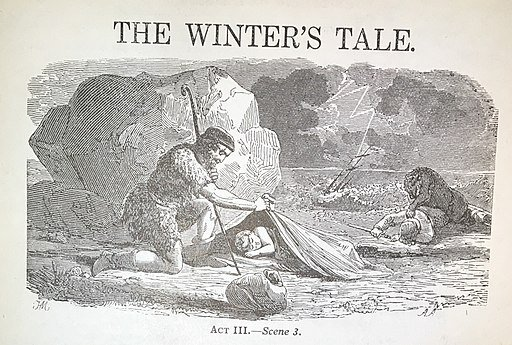
Antigonus has left the baby Perdita alone in the woods, only to be chased off by the play’s infamous bear. Now we meet two new characters, the shepherd and his son. But wait, who are these two? The Folger edition uses those names, but the Oxford edition names them “old shepherd” and “clown.” The Pelican edition and the RSC edition both split the difference with just “shepherd” and “clown.” OpenSourceShakespeare.com goes one step further on the characters list with the credit “Clown, son of the old shepherd.” Why these differences? As we all know, different versions of Shakespeare’s plays were saved in various folios and quartos and whatnot. I wonder if maybe the characters aren’t named because some well-known comedy duo of the time was meant to play them.

My son the clown.

Anyway, after the bear disappears, the shepherd comes on stage with a speech about how he wishes the youth could just skip the ages between ten and twenty-three. This is some funny foreshadowing, in that we’re about to have one such time skip in the next scene. He blames the youth for scaring away his sheep. The shepherd then spots the baby, calling it “the bairn.” More differences: The Oxford edition has a stage direction, “He sees the babe,” which is absent in all the other editions. Then we get some classic Shakespeare ‘80s teen sex comedy jokes, in which the shepherd assumes the baby is the result of a gentlewoman engaging in “trunk-work” and “behind-door work.” (Hehe, double entendre.)

Gary and Wyatt were all about behind-door work.

The shepherd’s son joins him, and I’ll call him that because I’m reading mostly from the Folger edition. The shepherd is about to show his son the baby, but then the son describes two sights he’s seen. First, he says he’s seen a ship just off the coast being swallowed up by the sea. This would be the mariner we met at the start of this scene, and his entire crew, being doomed. This is inevitable, though, so that little Perdita is truly alone in this moment, and she has nowhere else to go.

Ya burnt!

In an interesting detail, the son says the ship was “flap-dragoned” by the sea. The Pelican edition says this means “swallowed whole,” but the other editions have bizarre footnotes about a game where revelers at parties would try to catch raisins from flaming brandy. I had no idea what the heck this meant. It took a lot of googling, but I finally learned this was a Christmastime party game more commonly known as “snapdragon.” A large plate was filled with raisins or nuts, and then covered with brandy. The brandy was lit on fire, so it made small blue flames. Then partygoers took turns reaching into the fire and snatching out raisins without getting burned. The flames are mild enough so that players only got a slight sensation of heat, nothing more. A helpful Atlas Obscura article from December 2020 has all the details about how to play safely.

Shipwreck!

In a movie adaptation, would it be worth it to depict this shipwreck on screen? It’d be a big and complicated set piece for a simple plot point, but maybe it can be combined with Antigonus and the bear attack somehow. Like, the two tragic events could be edited to happen side by side, or the bear could chase Antigonus right onto the deck and then the bear brings the ship down. The possibilities are endless, except that the shipwreck isn’t really related much to the characters and the main story. It can’t be a distraction from the plot.

What if it was this shepherd?

Speaking of which, the son next tells us about a scene we didn’t see. He says he met an injured Antigonus in the woods, who managed to introduce himself before being chased off the bear again, and properly killed this time. Does this detail upset plans for anyone who wants to make the bear attack into a big theatrical moment? It would be easy enough to have the son witness the bear attack from the sidelines, or leave the grislier details up to the imagination.

So dramatic.

The shepherd then shows his son the baby, suggesting the child might be a changeling. Then they find the papers and the box of gold Antigonus left behind. The shepherd says it’s fairy gold. There’s a lot of magic/fantasy stuff to deal with here. “Changeling” refers to spooky stories about fairies stealing babies from their cribs, leaving evil fairy lookalike babies in their place. Other stories say that if fairies give you their gold, it could make you incredibly wealthy. But if you tell anyone where you got the gold from, then it will become cursed and bring you only misery.

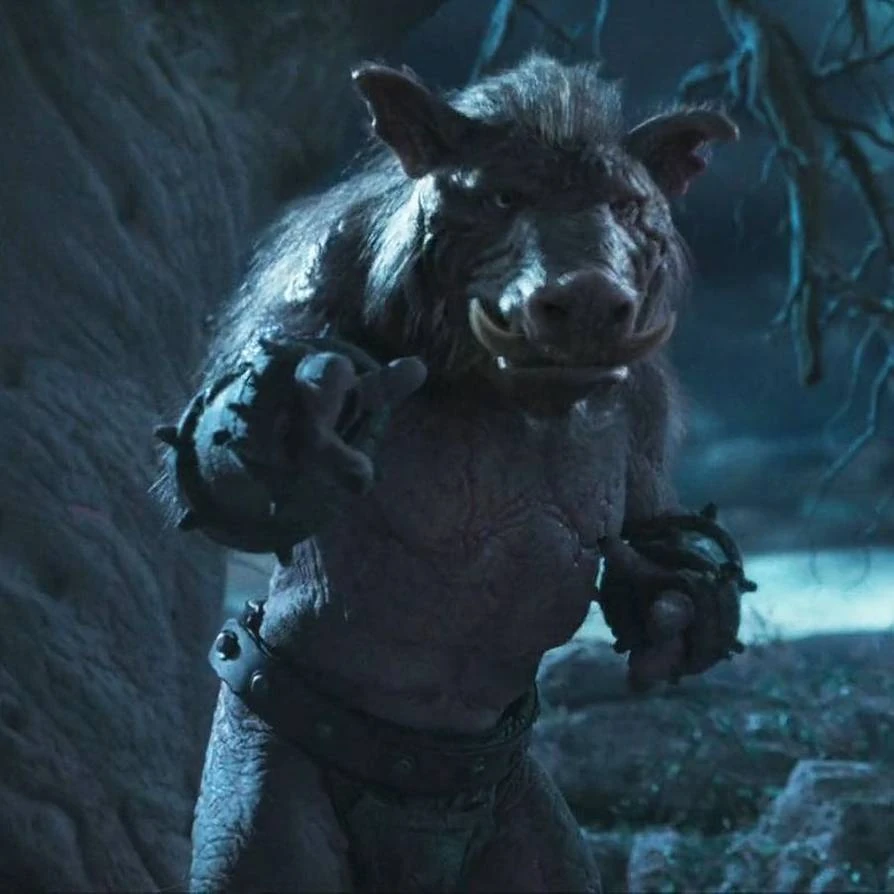
At least it’s not this fairy changeling.

Does the shepherd believe in all this fairy talk, or is this mere playful wordplay? I think making him superstitious gives him a country bumpkin feel, in contrast to all the kings and lords we’ve been dealing with. Also, I’ve been considering a far-out epic fantasy version of this story with the Sicilians as devil/demon types and the Bohemians as angelic/heavenly types. Therefore, the baby could be something truly otherworldly from the shepherd’s perspective. But don’t worry – he describes the baby as beautiful more than once, and shows affection for her throughout this scene, no matter where she came from.

You know, something like this.

The shepherd and his son talk about finding and burying Antigonus’ remains, which the son says are scattered about in pieces. (Yikes.) Strangely, the shepherd doesn’t say outright that he’s adopting the baby. It’s understood that he’s taking the gold, that he will be sworn to secrecy, and he ends the scene by saying “We’ll do good deeds.” I suppose that’s enough.

Next: Rhyme time.

* * * *

Want more? Check out my ongoing serial, THE SUBTERKNIGHTS, on Kindle Vella. A man searches for his missing sister in a sprawling city full of far-out tech, strange creatures, and secret magic. It’s a sci-fi/fantasy hybrid full of action, romance, mystery, and laughs. The first ten episodes are FREE! Click here for a list of all my books and serials.
Posted in Shakespeare's The Winter's Tale | Tagged | Leave a comment

Fantastic Friday: Franks and beings

Reading the Fantastic Four comics from the start. Issue #574 gives us a party, as well as more than one glimpse of the future.

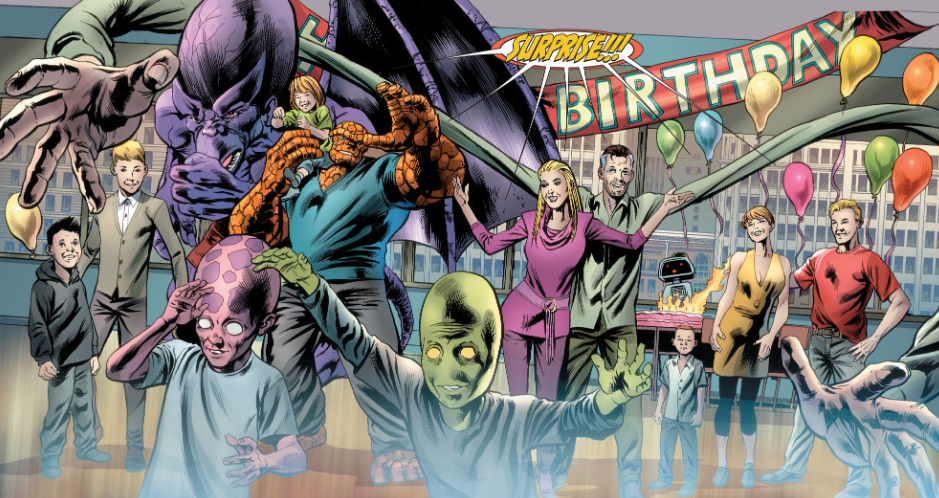
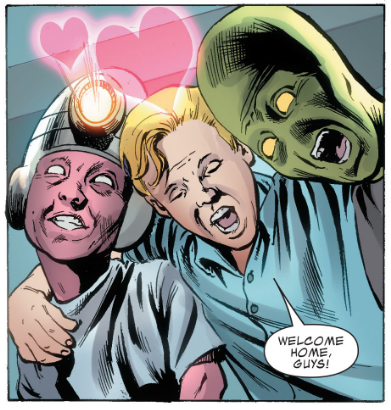
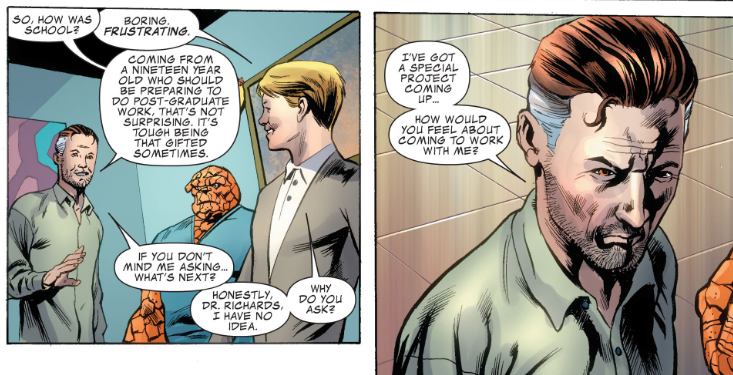
It’s Franklin’s birthday, and Sue manages a surprise party by turning everyone invisible. Among the guests are three of the Power Pack kids, and mutant kids Artie and Leech. Reed has a chat with Alex Power, who says he’s started college but finds it boring and frustrating. Reed offers him a job. There’s also kid there named Bently, but who insists on calling himself “Thirty-Two.” He’s the thirty-second clone of the Wizard, one of the clone kids from issue #570. It’s worth noting that Dragon Man is here. He’s docile and friendly rather than monstrous, even though he was last seen in one of the Civil War books, locked up in Reed and Iron Man’s controversial super-prison. His presence at the party is likely due to his being friendly in Power Pack and in Fantastic Four annual 2001.

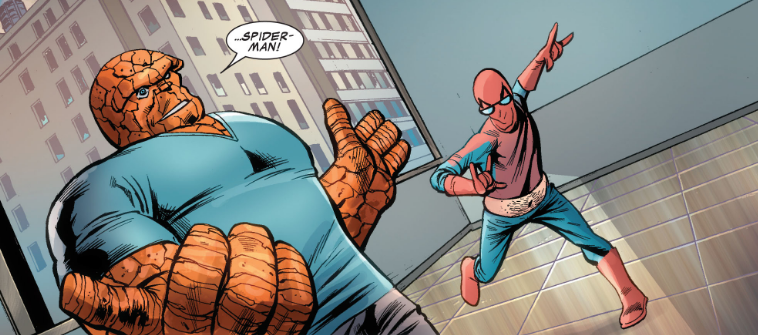
Ben announces a special guest of honor: Spider-Man! It’s a fake-out at first, with some random guy in a Spidey costume, only for the real Spidey to then show up. Spider-Man treats Franklin to a web-swinging ride around the building. Franklin then announces he’s prepared gifts for all the guests. He gives Artie and Leech a key to their own room in the Baxter Building, with his parents’ permission, as well as a device for Artie that recreates his image-projecting mutant powers he recently lost.

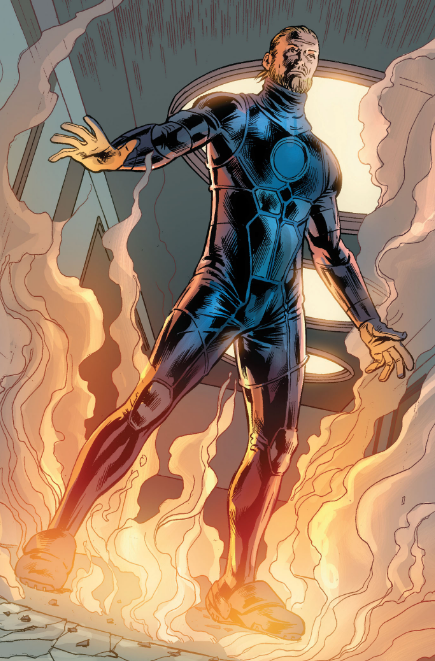
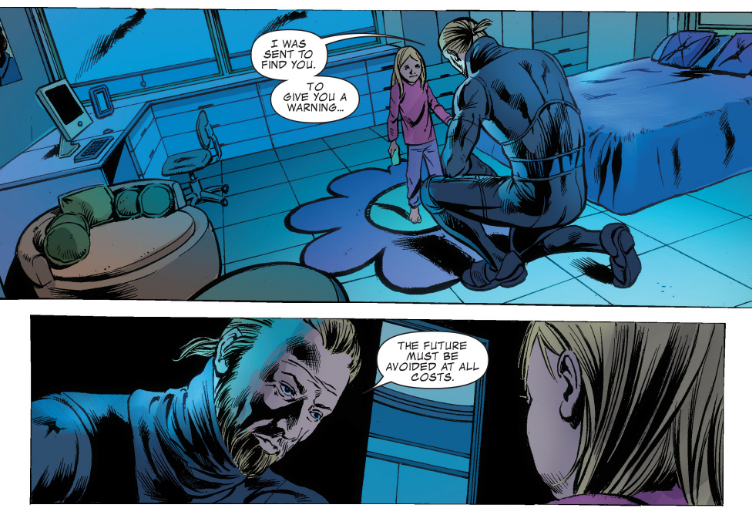
Later that night, the new Baxter Building’s computer warns of a “time quake” and then a mysterious stranger teleports into the building. The FF attack, and the stranger separates them from him with a force field, right outside Franklin’s room. He puts Franklin to sleep with a wave of his hand, and then he goes into the bedroom where he confronts Valeria. He tells her he was sent to find her with a warning, that the future must be avoided at all costs.

The stranger gives Valeria a message rife with foreshadowing: “There will be a war between the four cities. The dead must not be forgotten. The future man must return to save the past. And all hope lines in Doom.” She asks whether she can trust him, and he says she’s the one who sent him there.

The stranger prepares to depart, and Valeria tells him “Happy Birthday.” This confirms what the readers already figured out, that the stranger is Franklin from the future. He disappears and drops the force field. Valeria assures Reed that she’s not harmed.

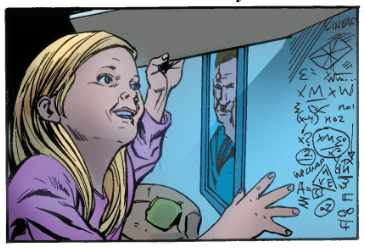
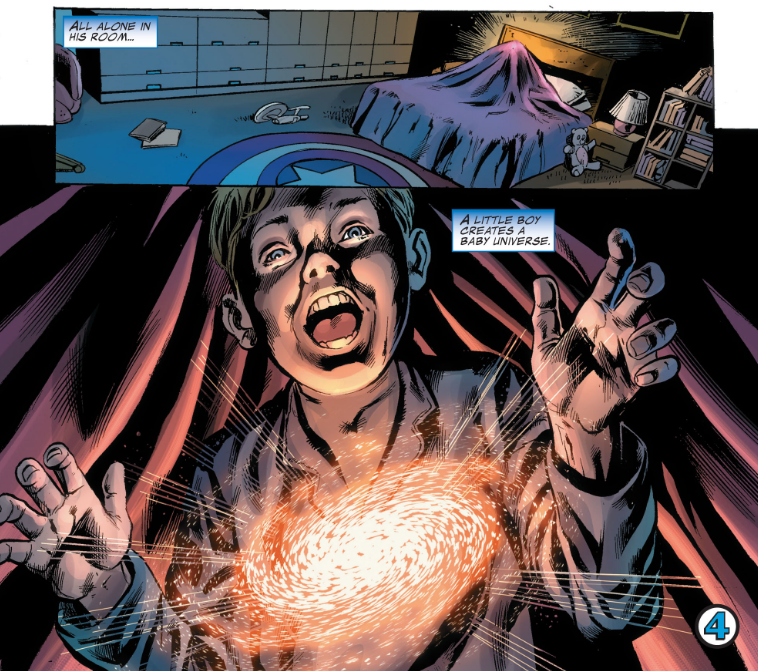
Even later, Johnny reports that the building’s security logs didn’t register this incident, as if it never happened. Reed says he tested the kids (while they were sleeping?) and says he doesn’t see anything wrong. Alone in her bedroom, Valeria starts writing mathematical equations on the wall, just as Reed recently did in his secret thinking room. Franklin, alone in his room, has a flashback to his future self saying “Remember who you are,” and he creates a miniature universe, revealing that his reality-altering mutant powers are back.

Unstable molecule: Reed is drawn with prominent beard stubble throughout this issue. Could this also be the origin of today’s bearded Reed?

Fade out: Sue shuts up Reed before he can say out loud how old Franklin is. (The Marvel Wiki states that Franklin is “roughly twelve” for this birthday.)

Clobberin’ time: Spider-Man fakes out Franklin by hiding on Ben’s back. Is Ben that huge?

Flame on: Johnny personally selected the gift for Spider-Man, a book titled “A Loser’s Guide to Picking Up Women.” (For the record, Peter Parker was dating lady cop Carlie Cooper during this time.)

Fantastic fifth wheel: There’s yet another new H.E.R.B.I.E. the robot at the party. This one does not hover, but is on wheels, rolling around the floor. Freakin’ H.E.R.B.I.E. the robot.

Foundational: The big deal about this issue is that the first seeds are planted for what will soon become… the Future Foundation! Alex Power, Bentley Thirty-Two, Artie, Leech, and Dragon Man will all become regulars once that other FF gets up and running.

Four and a half: Franklin has a “Gunslingers only” sign on his bedroom door, showing he’s still into cowboy/Western stuff.

Our gal Val: Valeria calls Franklin the “R-word” twice during this issue, which seems pretty uncool for something published in 2010. Maybe they were going for some kind of Tarantino-ish edginess, but that doesn’t come across.

Trivia time: Reed says the Baxter Building would be better living conditions than where Artie and Leech are currently staying, but he doesn’t say where that is. Leech’s previous appearance was in Uncanny X-Men #491, where he was held prisoner by the evil Masque. It’s suggested in that issue that he’s living among the Morlocks in the NYC sewers.

Why does Artie no longer have his powers? He was one of many mutants who went powerless during the “M-Day” event.

Fantastic or frightful? After the messiness of the previous few issues, it feels like here’s where Jonathan Hickman’s take on the series really begins. I know not everyone likes the Future Foundation, but this new-ish mix of characters feels fresh and exciting.

Next: Mountains and molehills.

* * * *

Want more? Check out my ongoing serial, THE SUBTERKNIGHTS, on Kindle Vella. A man searches for his missing sister in a sprawling city full of far-out tech, strange creatures, and secret magic. It’s a sci-fi/fantasy hybrid full of action, romance, mystery, and laughs. The first ten episodes are FREE! Click here for a list of all my books and serials.
Posted in Fantastic Friday | Leave a comment

Reading Shakespeare’s The Winter’s Tale – Act 3 Scene 3 (part 2)

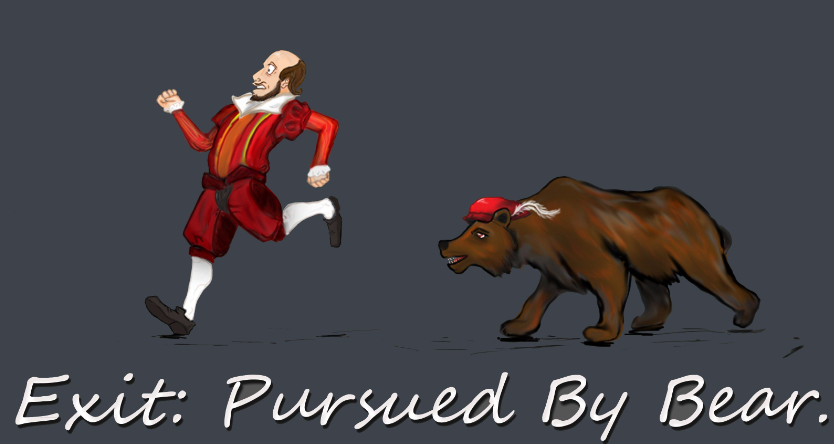
Re-reading Shakespeare’s The Winter’s Tale! It’s the moment we’ve all been waiting for, in which Antigonus will… exit, pursued by a bear!!!

Where were we? Antigonus has left the baby Perdita in the woods, after a speech about the ghost of her mother, Queen Hermoine, and about how he believes he is doomed and that, “The chase is on.” Then we get the famous stage direction:

[He exits, pursued by a bear]

At least, the Folger edition says, “He exits,” while the Oxford and Pelican editions just state the more commonly quoted, “Exit.” The difference is small, but it’s noteworthy because The Winter’s Tale has the distinction of more descriptive stage directions that Shakespeare’s other plays. This is likely because the play was not written for the outdoor Globe Theater, but for Blackfriars, a smaller indoor theater that gave Shakespeare more control over lighting and effects.

Bear, or Ewok?

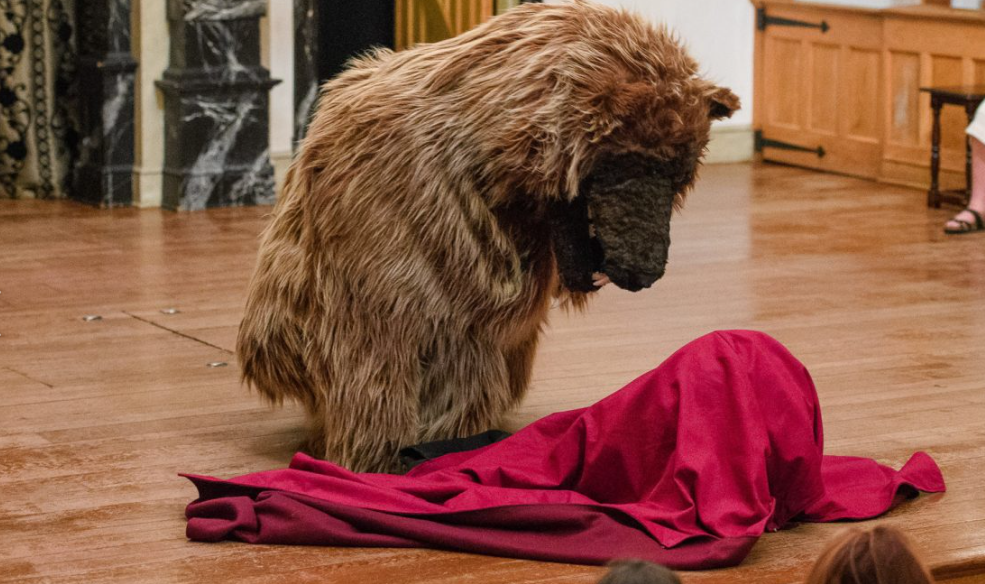
That brings us to the big question: How is this to be portrayed on stage? For a more low-budget production, the answer can be to light a silhouette of a bear shape onto the wall. Or, failing that, just have a bear’s roar come from backstage. You could always have an actor in a Halloween store bear costume run across the stage, but that could make this harrowing scene unintentionally humorous. Then again, The Winter’s Tale is listed among Shakespeare’s comedies, so if you’re going very, very broad with it all, then a cheesy bear suit could elicit intentional laughs. Others have taken a more abstract interpretation, by having dancers in bear masks surround Antigonus, for a balletic and/or pageantry take on the scene.

He just wants his picky-nick basket.

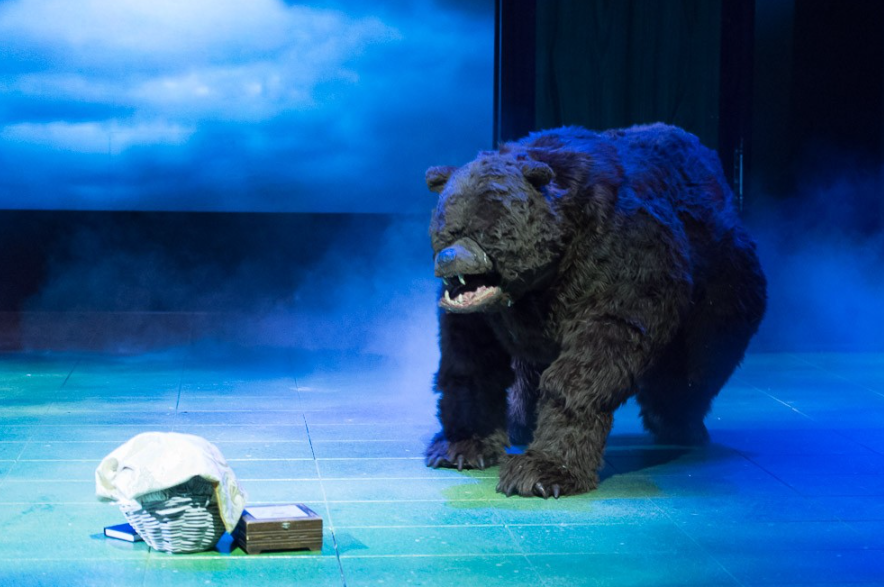
If you have money to spend, there’s all sorts of ways to do the bear. You find lots of images online of elaborate bear puppets constructed for this scene, some of them very scary looking. Some are designed to move realistically, while others are more abstract, rising from under the floor until they look gigantic, towering over the helpless Antigonus. And obviously, a movie version can go nuts with production value and special effects, creating huge bear attacks like the ones in The Edge or The Revenant.

Bear 2: The Rise of Bear.

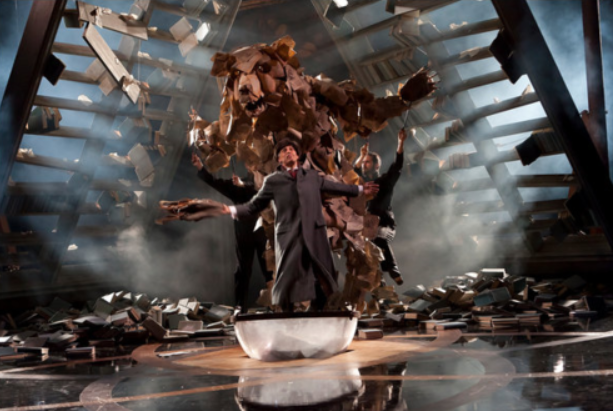
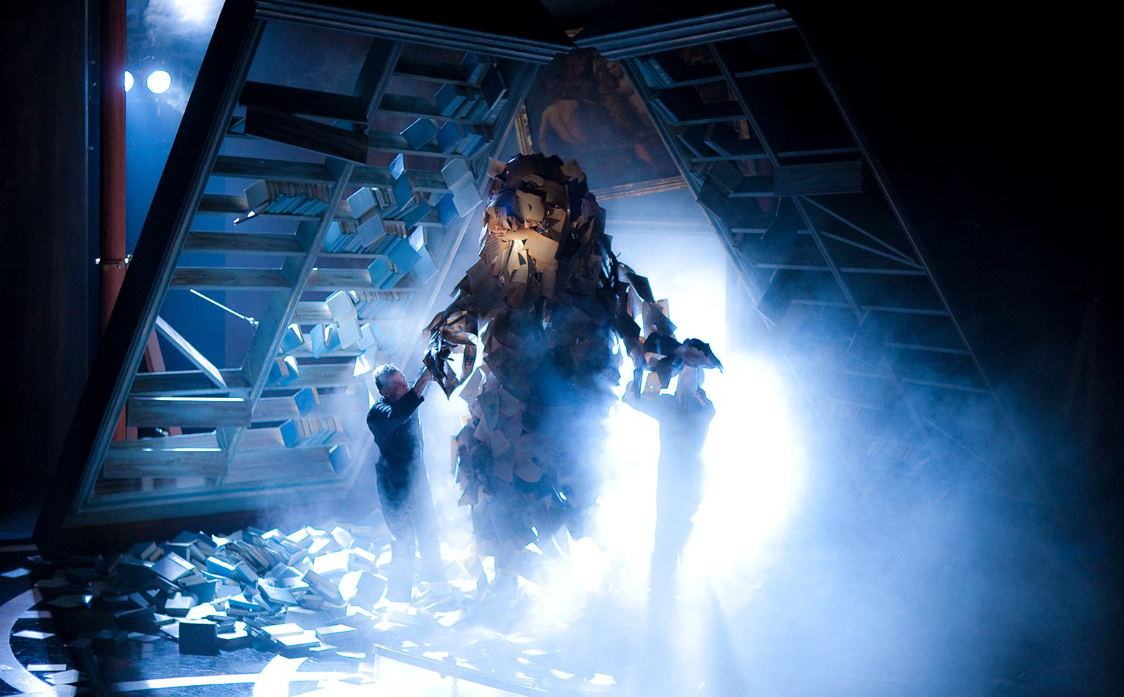
There are more. A 2018 Globe production brought out an oversized bear skull on stage to have it represent the animal. Another version from 2009 replaced the bear with a ghostly creature made entirely of pages from torn books. I’m not quite sure what the symbolism is there (representing the collapsing of Leontes’ kingdom, perhaps?) but it’s a striking visual. In a 1976 Royal Shakespeare Company production, the bear was replaced with Father Time, who we’ll meet a few scenes from now. By having Time himself kill Antigonus, it emphasizes the inevitability of Antigonus’ forewarned death.  

The book bear!

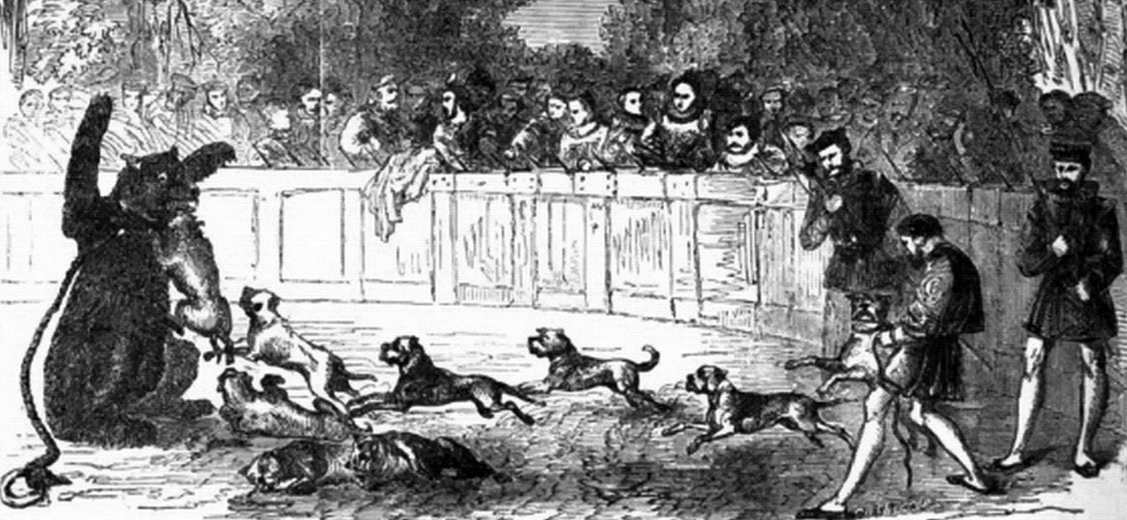
The next question is, what about putting a real bear on stage? That leads us into places rather ghoulish. In Shakespeare’s time, so-called “bear-baiting” was a semi-popular form of entertainment. A captured bear was put into a pit with a bunch of hungry attack dogs. Crowds would delight in the bloody violence as the animals battled it out. Allegedly, both King Henry VIII and Shakespeare’s BFF Queen Elizabeth were fans of bear-baiting. This crossed over with live theater, as traveling acting troupes would include bear pits alongside their comedies and tragedies. All the academic Shakespeare blogs and sites I follow are quick to point out that there’s “no evidence” of Shakespeare using a real bear in The Winter’s Tale, and that it “probably” never happened. This careful wording, however, suggests there’s some possibility that it might have happened. Despite everything we know about Shakespeare, there’s still a lot we don’t know, which part of why we still talk about him today.

How civilized.

And a bigger picture question: Why are people so drawn to this one stage direction? On the page, this adds a burst of excitement after the long trial scene. But in modern times, “exit pursued by a bear” has become something of a comedy punchline, shorthand for anything random or unexpected. I don’t believe it is random, because the scene leading up to this establishes that Antigonus is in a harsh wilderness, and that he believes he is doomed. Beyond that, though, I can’t fully explain it. When people think of The Winter’s Tale, they think “It’s the one with the bear.” Nothing wrong with that.

Next: My son the clown.

* * * *

Want more? Check out my ongoing serial, THE SUBTERKNIGHTS, on Kindle Vella. A man searches for his missing sister in a sprawling city full of far-out tech, strange creatures, and secret magic. It’s a sci-fi/fantasy hybrid full of action, romance, mystery, and laughs. The first ten episodes are FREE! Click here for a list of all my books and serials.

Posted in Shakespeare's The Winter's Tale | Tagged , , , , | Leave a comment

Fantastic Friday: Not so Nu

Reading the Fantastic Four comics from the start. Issue #573 takes us back to Nu World, where we all learn a lesson about how sometimes you shouldn’t want to go back.

Following the previous storyline’s subplot, Johnny and Ben are off on vacation to Nu World. Remember that this is a recreation of Earth located in an alternate dimension that is currently home to 100,000 refugees from an apocalyptic future. What Johnny and Ben don’t know is that Franklin and Valeria have secretly stowed away on the trip with them.

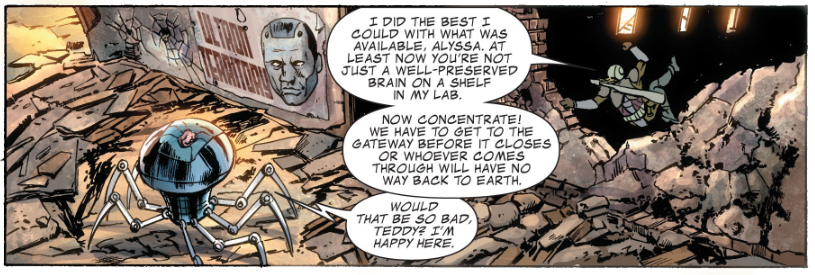
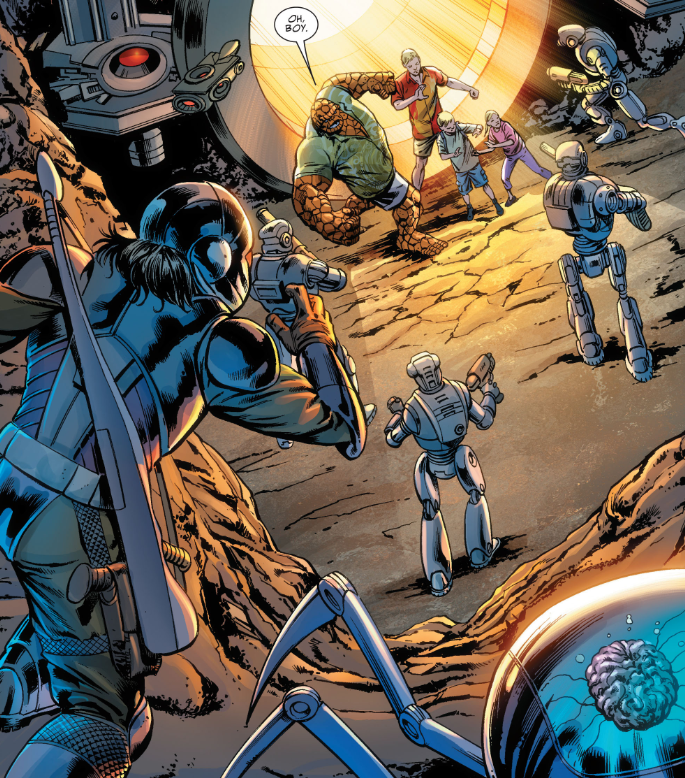
We begin in a futuristic setting where a man and robot are on the run. Through their dialogue, we learn the man is Ted Castle, the mega-billionaire who financed the creation of Nu World. The robot is powered by a human brain, and this is Alyssa Moy, super-genius and Reed’s ex-girlfriend who married Ted. Ted rants about unnatural progress and evolutionary acceleration on Nu World, saying this is not how things were meant to be. The robots chasing them say it’s because they’ve violated Ultron’s territory. After fighting them, Ted and Alyssa look over a ridge to find Ben, Johnny, and the kids emerging through the portal from Earth.

After fighting off the robots, Ted reveals that years have passed for him and Alyssa, while only a short time has passed for everyone on Earth. The sun over Nu World is collapsing, making the portal back home unusable. More robots attack, so Ben fights them off while everyone else escapes. He gets help from Lightwave and Psionics, two of the New Defenders from the future who came to be Nu World’s superheroes.

Ted leads everyone to an underground chamber. He explains that Nu World was a paradise at first, but war broke out over resources once the star collapsed. Alex Ultron of the New Defenders is now just Ultron, using the telepathy of Natalie X to mind-control the populace. Ted takes everyone to a hidden city where there’s some business about people jet-packing into the collapsing star as if it’s a portal. Then Ted leads them into the center of the planet.

At Ultron’s fortress, we see that he’s working alongside Psionics and Lightwave. Psionics believes Valeria has the genius needed to reopen the portal to Earth, but Ultron has moral issues about abducting a child. Psionics doesn’t worry about, saying they’ve taken Ben hostage, so the FF will come to them anyway. Inside the fortress’ holding cells, Ben discovers that Hulk Jr., also formerly of the New Defenders, is locked up down there as well.

In the center of the planet, Ted shows Valeria a device called the Wheel, and he explains that one of the reasons they can’t reopen the portal on their side is because they lack a power source. Valeria shows him the device she swiped from the Baxter Building last issue and says, “So what’s the other thing we need?” Outside the fortress, Johnny and Alyssa plan the attack, only to spot all the robots leaving. All alone in whatever chamber she’s in, Natalie X wakes up and says, “They’re coming.” At the Wheel, the power source works, and Valeria gets work on the complex calculations needed to chart a course back to Earth.

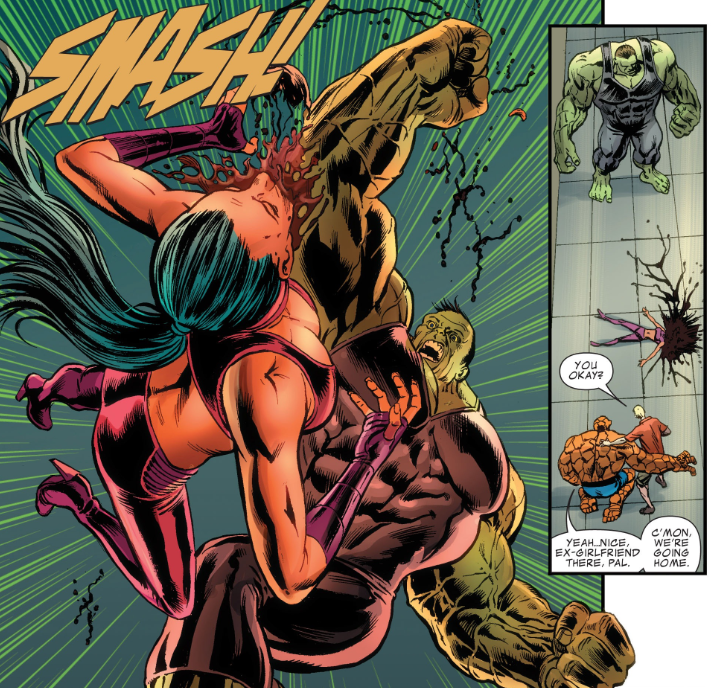
Johnny and Alyssa find Ben’s cell inside the fortress. Just as they’re about to break him out, the dome atop Alyssa robot body shatters and her brain goes spilling out. Psionics steps out of the shadows and kills the brain by stepping on it. (!) She boasts about how her telekinesis has gotten far more powerful, and she demands that Valeria help her open the portal instead of Ted. Before she can finish her villain speech, Hulk Jr. busts out of his cell and kills her with a single punch. Johnny and Ben escape, but Hulk Jr. stays behind to deal with Lightwave.

Throughout this issue, Franklin has been relating all this to Sue via narrative captions. At this point, the issue flashes forward to them having this conversation. Franklin says Ted had to stay behind to manage the portal, so Ben, Johnny and the kids could get back home. Ted’s fate, as well as Hulk Jr. and Lightwave’s fates, remain unknown. It’s nighttime, and when the clock turns 12, it’s officially Franklin’s birthday. Sue wishes him happy birthday and then he goes to sleep.

Fade out: Sue is pretty chill about the kids going on this post-apocalyptic adventure. She says the best thing about their family is that you never know what exciting thing will happen next.

Clobberin’ time: We’re not shown how Psionics and Lightwave managed to capture Ben. Perhaps Psionics’ increased powers did it. We’re also not told why Ben can’t use his awesome strength to escape from his cell. I guess if these cells can hold a Hulk, they can hold him.

Flame on: It’s only barely acknowledged that Psionics is Johnny’s ex-girlfriend. She jokes about him not returning her calls, and another character wisecracks about them once dating, but that’s it.

Four and a half: There’s a fun bit where Franklin has a sandwich he brought from home, and he shares it with Ted.

Our gal Val: Valeria boasts about being even smarter than Reed. It’s unknown at this time if that’s true or if she’s merely bragging.

Trivia time: The brutal deaths of Alyssa and Psionics are final. Neither character ever appeared again. Ted and the surviving New Defenders will be back during the Heroic Age crossover.

Fantastic or frightful? How do issues like this happen? They’re revisiting the Nu World storyline, which was fairly recent, only to wreck it? And kill off two supporting characters. I get that Alyssa and Psionics were no one’s favorites, but the characters had potential. With their personal history with the FF, a good writer could have done anything with them and made them interesting in all kinds of ways. But no, we’re killing them for no good reason. I’ve enjoyed Jonathan Hickman’s writing elsewhere, but his FF run is not off to a good start.

Next: Let me be Frank.

* * * *

Want more? Check out my ongoing serial, THE SUBTERKNIGHTS, on Kindle Vella. A man searches for his missing sister in a sprawling city full of far-out tech, strange creatures, and secret magic. It’s a sci-fi/fantasy hybrid full of action, romance, mystery, and laughs. The first ten episodes are FREE! Click here for a list of all my books and serials.
Posted in Fantastic Friday | Leave a comment