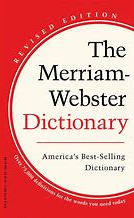
Reading the entire dictionary front to back! It’s something I’ve always wanted to try. The letter L leads us on quite a journey.
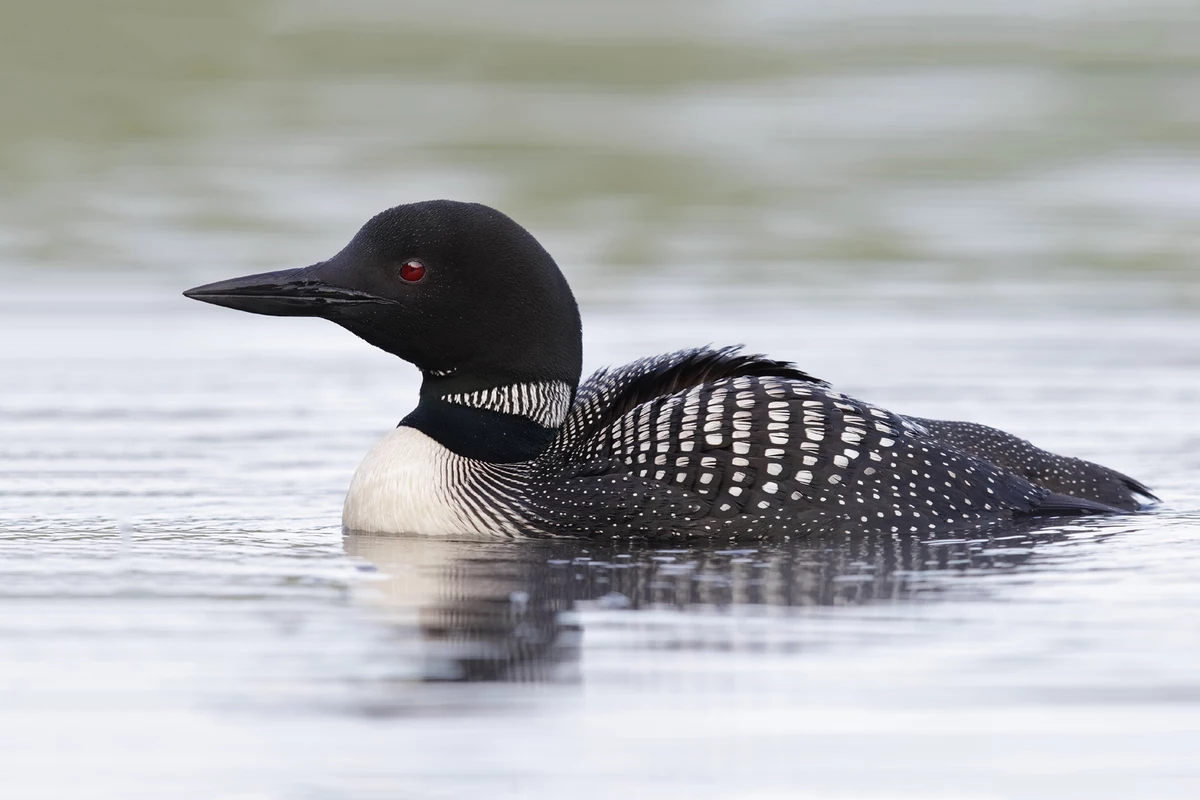
Let’s all go to Maine and see a loon, which is “any of several web-footed black-and-white fish-eating diving birds.” Does this mean penguins are technically loons? This takes us to the loony bin, “a psychiatric hospital” with “often offensive” in italics. That’s what I get for asking about penguins.
To be lousy is to be “poor, inferior,” but also to be “amply supplied.” There’s a more literal definition of “infested with lice.” Would that be… lousy with lice?
You often hear people drop the word lugubrious as a joke, because it does sound funny. But the actual definition is “mournful, often to an exaggerated degree.” This strikes me anything but humorous.

The L section concludes with lyric, “suitable for singing, melodic,” and “expressing intense and usually intense personal emotion.” Interesting how rhyming isn’t specified.
Holy mackerel, we’ve reached the letter M! The first “real” word in this section is Mac. Wait, that’s me! I’m in the dictionary! The only definition is that it’s short for the Bible book of Maccabees, which the dictionary spells as “Machabees.” From my own personal history, I know Mac also means “son of,” which explains its placement in so many last names, and also it’s short for “model airplane club.”
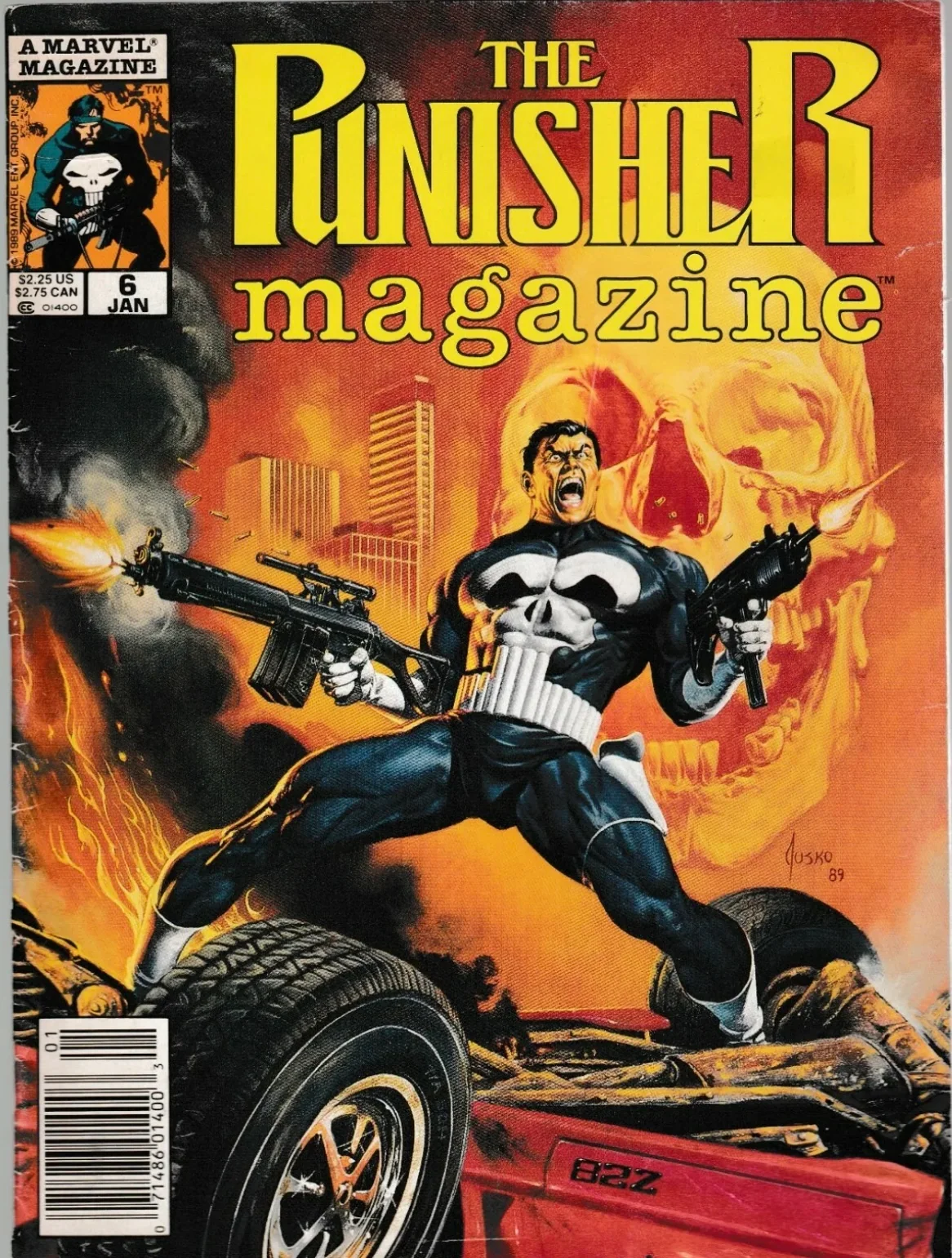
A magazine is maybe not what you think. Sure, it’s “a publication usually containing stories, articles, or poems and issued periodically.” But that’s the secondary definition. The dictionary emphasizes its use in weaponry instead, as “a storehouse, especially for military supplies,” “a place for keeping gunpowder in a fort or ship,” and “a container in a gun for holding cartridges.” The reason for this is that we get another one of those root words, telling us magazine comes from the Old Occitan word makhdzin, meaning “storehouse.” Then I had look up Occitan, to lean it’s a language from southern France, and northern Italy and Spain. So much learning!
I’d always assumed Stan Lee and Jack Kirby made up the name magneto, but no. It’s “a generator used to produce sparks in an internal combustion engine.” Sounds more like Jubilee’s powers.
There’s almost half a page devoted to definitions of make. They are mostly variations on “to create,” but there’s also “to be capable of being developed or being fashioned into,” and “to formulate in the mind.” This leads to make out, which is a lot of boring definitions like “to draw up in writing,” before we get to the good stuff, “to engage in amorous kissing and caressing.” Steamy stuff like this is why we read the dictionary.
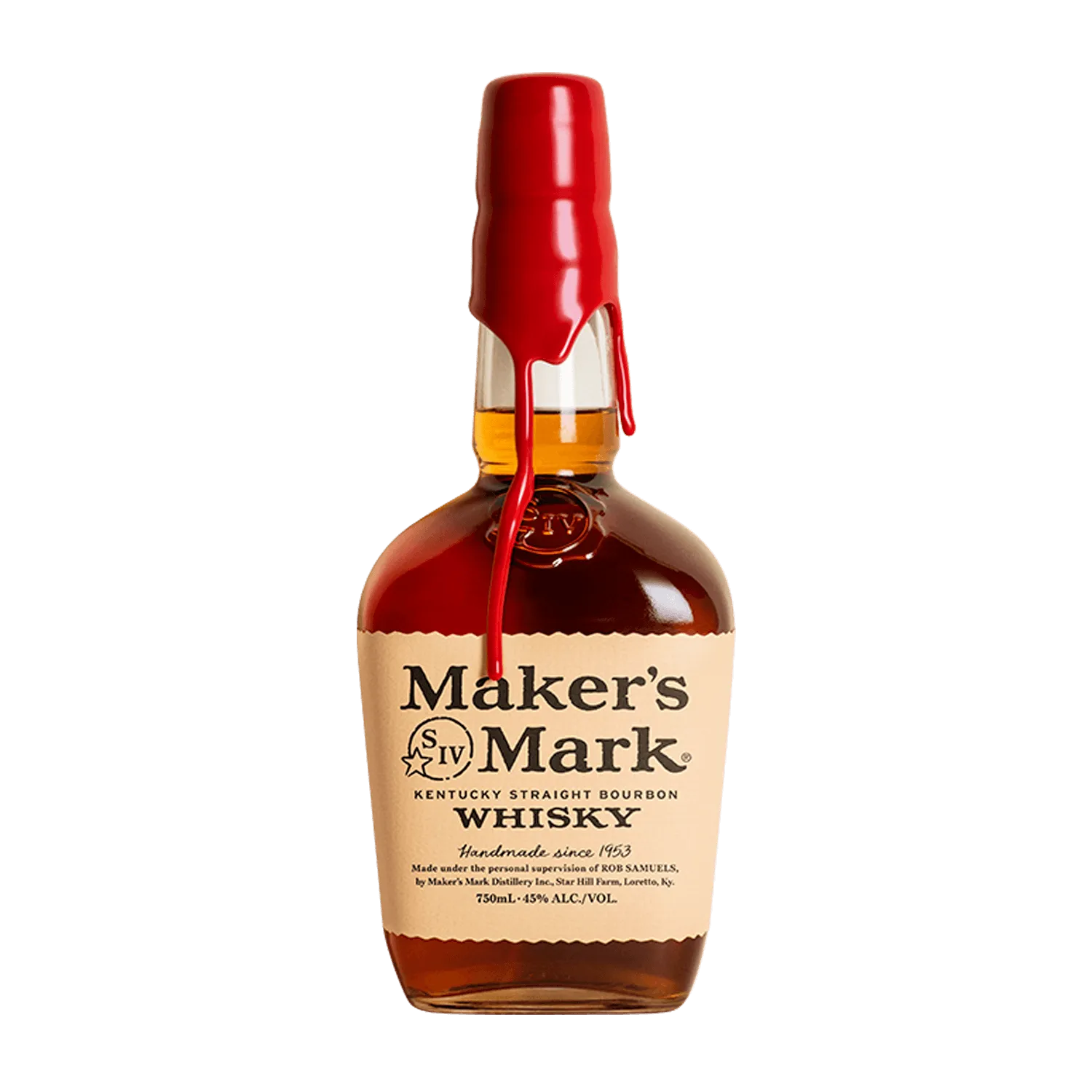
Along similar spicy lines, a male is “relating to or being the sex that that produces germ cells that fertilize the eggs of a female.” I’m no doctor, but… germ cells?!?
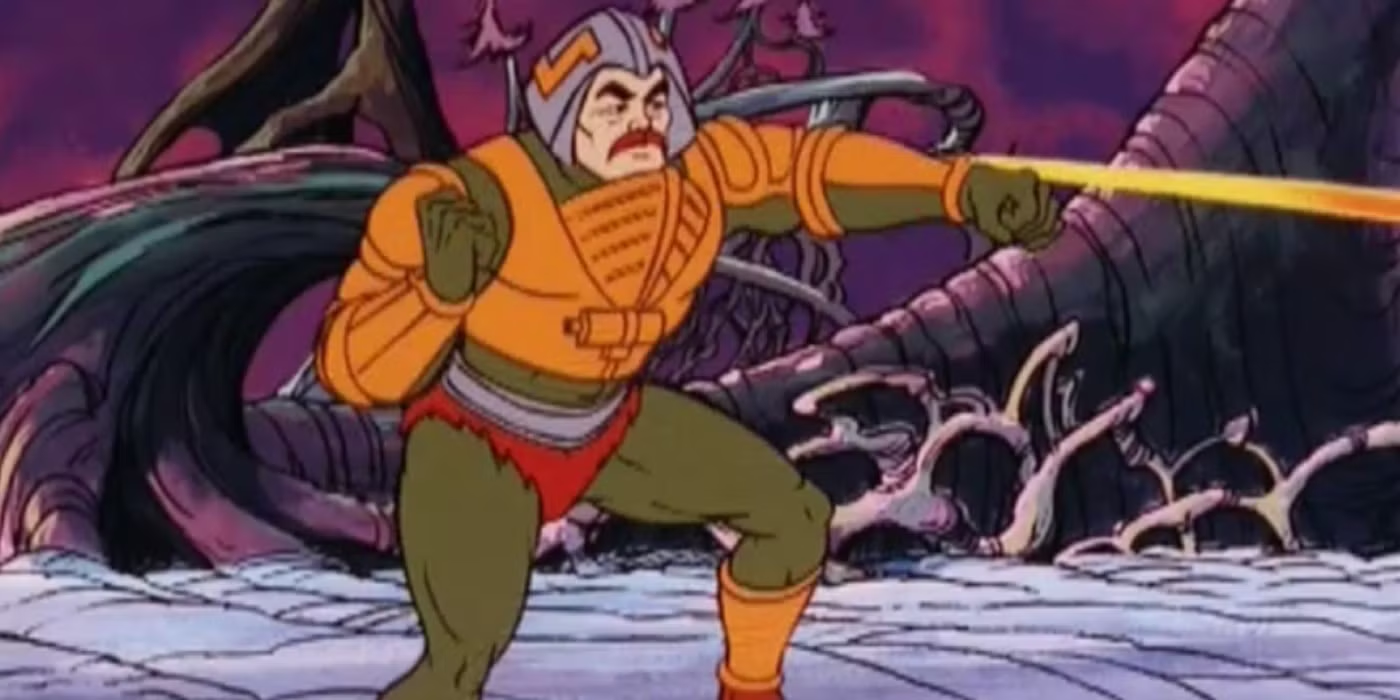
This is followed by man, “a human being,” and “an adult male.” But then things get way more ambiguous “one possessing in high degree the qualities considered distinctive to manhood.” I don’t even want to open the can of worms as to what that might mean.
Manga is obviously “a Japanese comic book or graphic novel.” But then there’s the root word thing, saying it originates from Japanese words meaning “involuntary, aimless picture.” The dictionary editors must not be fans.

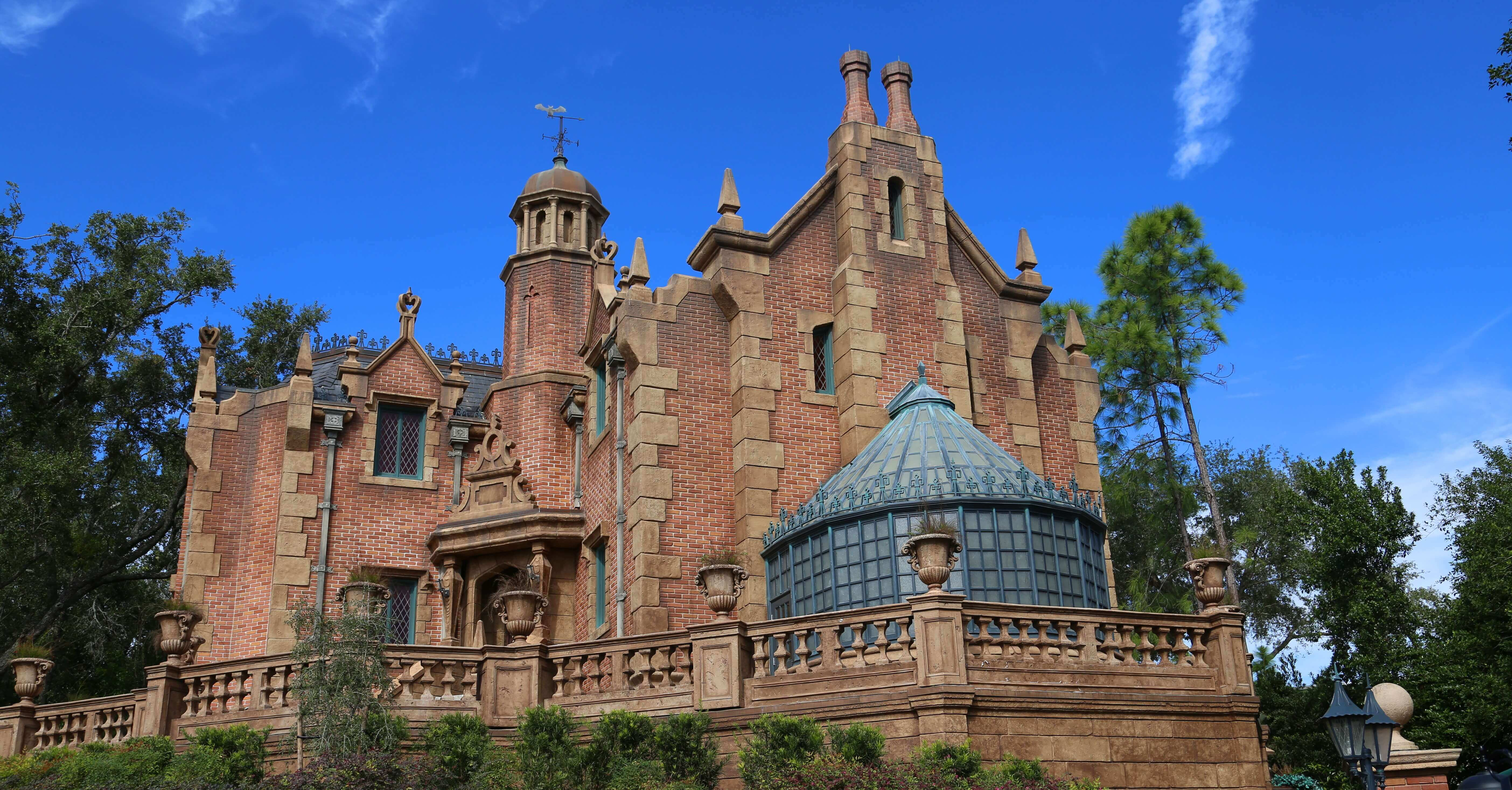
A mansion is “a large imposing residence,” which sounds like a little editorializing there. It’s also “a separate apartment within a large structure,” which I don’t think I’d ever heard before.
Here’s a new one. Marcel is “a deep soft wave made by the use of a heated curling iron.” I have no experience with curling irons, so I don’t know how common of a word this is. Also, is there such a thing as a non-heated curling iron?

Next: On the mend.
* * * *
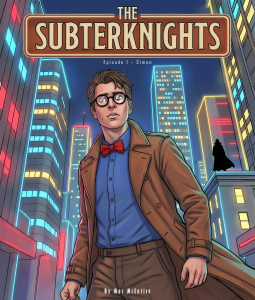
Want more? My ongoing series THE SUBTERKNIGHTS is back on the Kindle store! A man searches for his missing sister in a futuristic city filled with far-out tech, strange creatures, and secret magic. Only $0.99 or free with KU!